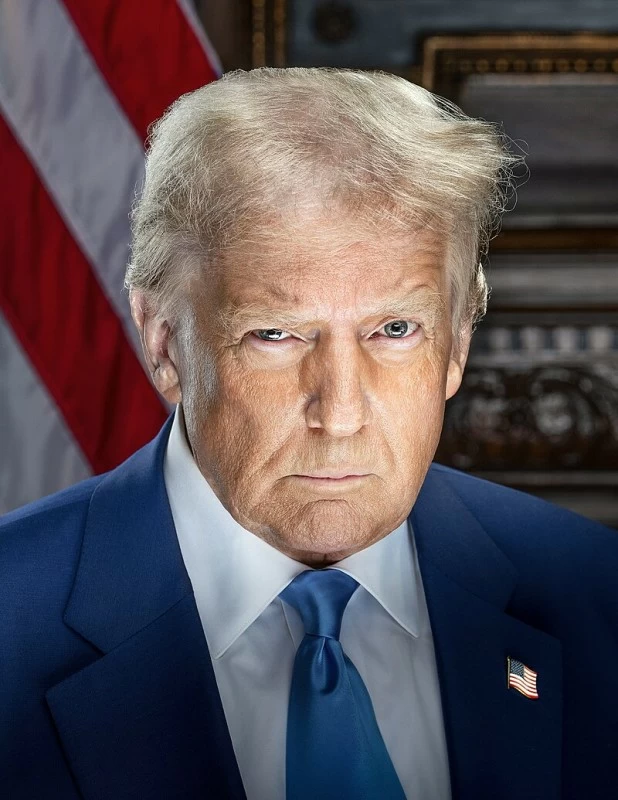
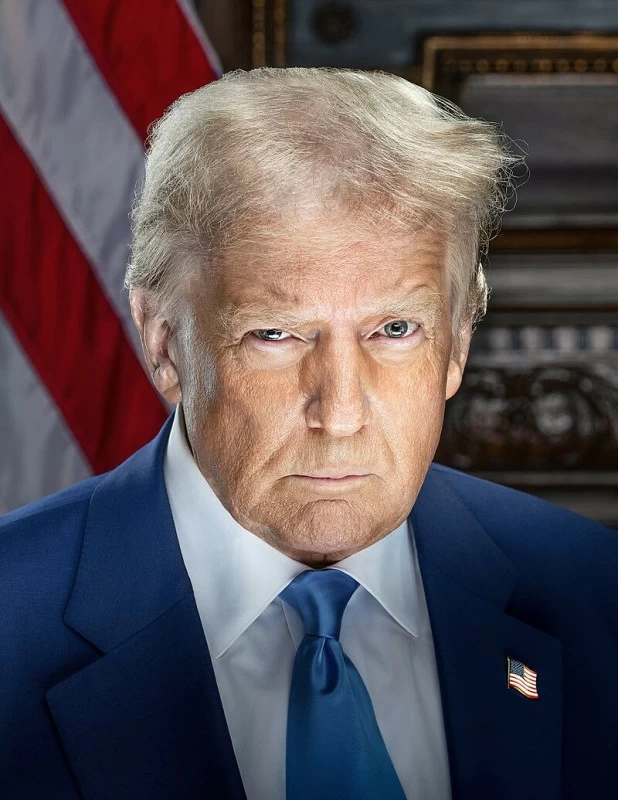
دخلت تعريفات جمركية أمريكية جديدة على السلع المستوردة حيز التنفيذ أمس (الثلاثاء)، في ظل سعي الرئيس الأمريكي دونالد ترمب لإعادة صياغة أجندته التجارية بعد أن قضت المحكمة العليا برفض مجموعة واسعة من الرسوم الجمركية العالمية التي فرضها.
وتهدف هذه الرسوم الجديدة التي صدر أمر تنفيذي بشأنها الجمعة إلى استبدال الرسوم الجمركية العشوائية الحالية، بالإضافة إلى تلك المنصوص عليها في مختلف الاتفاقيات التجارية الموقعة مع معظم الشركاء التجاريين الرئيسيين للولايات المتحدة.
مع ذلك، لا تحل هذه الرسوم محل ما يُسمى بالرسوم القطاعية التي تتراوح بين 10% و50% على عدد من الصناعات، مثل النحاس والسيارات والأخشاب، والتي لم تتأثر بقرار المحكمة العليا.
كما لا ينطبق ذلك على المنتجات الكندية والمكسيكية المستوردة إلى الولايات المتحدة بموجب اتفاقية التجارة الحرة لأمريكا الشمالية.
وأعلن مسؤولو الجمارك أن تحصيل الرسوم الجمركية التي ألغتها المحكمة العليا سيتوقف اعتبارا من منتصف ليل الاثنين الثلاثاء بتوقيت واشنطن، موعد سريان الضريبة الإضافية الجديدة، وأكدوا أيضا أنهم سيبدأون بتحصيل الرسوم الجمركية الجديدة البالغة 10% فورا.
ولهذه النسبة الجديدة، استند الرئيس الأمريكي إلى قانون صدر عام 1974 يسمح له بإعادة التوازن التجاري بين الولايات المتحدة وشركائها الاقتصاديين عند إثبات وجود خلل كبير في ميزان المدفوعات.
New U.S. customs tariffs on imported goods came into effect yesterday (Tuesday), as President Donald Trump seeks to reshape his trade agenda after the Supreme Court ruled against a wide range of global tariffs he imposed.
The new tariffs, which were ordered by an executive action on Friday, aim to replace the existing random tariffs, in addition to those stipulated in various trade agreements signed with most of the United States’ key trading partners.
However, these tariffs do not replace what are known as sectoral tariffs, which range from 10% to 50% on a number of industries, such as copper, automobiles, and lumber, which were not affected by the Supreme Court’s decision.
It also does not apply to Canadian and Mexican products imported into the United States under the North American Free Trade Agreement.
Customs officials announced that the collection of the tariffs that were canceled by the Supreme Court would stop as of midnight Monday-Tuesday Washington time, the time when the new additional tax takes effect, and they also confirmed that they would begin collecting the new 10% tariffs immediately.
For this new rate, the U.S. President relied on a law enacted in 1974 that allows him to rebalance trade between the United States and its economic partners when a significant imbalance in the balance of payments is proven.