

يصادف اليوم 11 مارس يوم العلم السعودي، ذلك الرمز الوطني الخالد الذي رافق مسيرة المملكة منذ تأسيسها عام 1727م، وظل شاهداً على تاريخها العريق وحملات توحيدها، ومعززاً لقيم العزة والشموخ والانتماء. ويحتفظ العلم السعودي بمكانة راسخة في وجدان كل مواطن ومواطنة، فهو راية التوحيد، وعنوان الهوية، وتجسيد لمشاعر الولاء والمحبة للوطن وقيادته.
يحظى العلم السعودي باحترام العالم الإسلامي لما يحمله من دلالات دينية عظيمة، ولما تمثله المملكة من دور محوري في خدمة قضايا المسلمين. كما يعكس العلم معاني الانتماء والمواطنة، ودلالات القوة والعدل والنماء والرخاء، ويجسد وحدة الوطن وعمقه التاريخي.
ويعود تاريخ العلم السعودي إلى الراية التي حملها أئمة الدولة السعودية الأولى، وكانت خضراء من الخز والإبريسم، مكتوباً عليها «لا إله إلا الله محمد رسول الله»، ومثبتة على سارية خشبية. واستمر هذا الشكل حتى عهد الملك عبدالعزيز، رحمه الله، الذي أضيف في بدايات حكمه سيفان متقاطعان، ثم استبدلا لاحقاً بسيف مسلول في الأعلى، قبل أن يُعتمد الشكل الحالي عام 1937م بوضع السيف تحت الشهادتين.
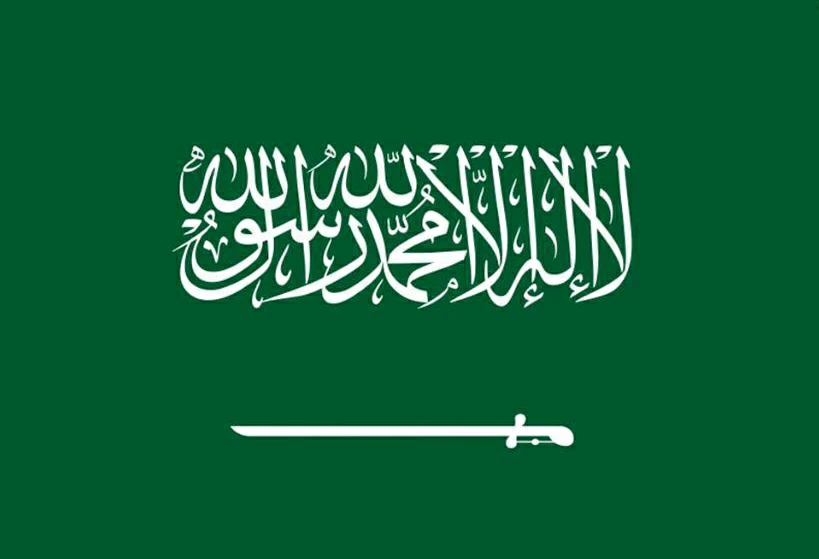
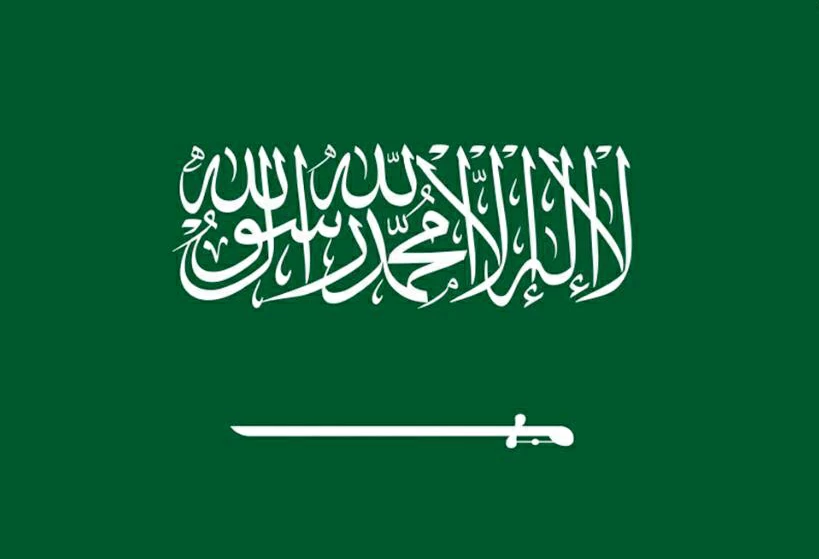
وفي عام 1393هـ/ 1973م، صدر نظام العلم الذي حدد مواصفاته بدقة؛ مستطيل الشكل، عرضه ثلثا طوله، لونه أخضر، تتوسطه الشهادتان بخط الثلث، وتحتها سيف مسلول باللون الأبيض، مرسومان بوضوح من الجانبين، ولكل عنصر في العلم دلالته العميقة؛ الأخضر يرمز للنماء والخصب، الأبيض يرمز للسلام والنقاء، السيف يرمز للعدل والأمن، وهو رمز أصيل في الثقافة العربية، الشهادتان تمثلان التوحيد ومنهج الدولة منذ تأسيسها.
ويمتاز العلم السعودي بخصوصية فريدة بين أعلام العالم؛ فلا يُنكّس في المناسبات الحزينة، ولا يُلفّ على جثامين القادة، ولا يُستخدم لأغراض تجارية أو دعائية تمس هيبته. كما يُرفع على المباني الحكومية داخل المملكة وخارجها حتى في العطل الرسمية، ويُتلف بطريقة رسمية إذا بهت لونه أو تضرر.
لقد ظل العلم السعودي خفاقاً عبر التاريخ، معبّراً عن العقيدة والوطن، وعن وحدة المملكة وعمقها الجغرافي والتاريخي. وانطلاقاً من إدراك القيادة لأهمية هذا الرمز الوطني، وفي 9 شعبان 1444هـ (1 مارس 2023م)، صدر الأمر الملكي باعتماد يوم 11 مارس من كل عام يوماً للعلم، وهو اليوم الذي أقر فيه الملك عبدالعزيز، رحمه الله، شكل العلم الحالي بما يحمله من دلالات التوحيد والعدل والقوة والنماء.
Today, March 11, marks Saudi Arabia’s Flag Day, that eternal national symbol that has accompanied the Kingdom since its founding in 1727 AD, remaining a witness to its rich history and unification campaigns, while reinforcing values of pride, dignity, and belonging. The Saudi flag holds a firm place in the hearts of every citizen; it is the banner of unification, a symbol of identity, and a manifestation of feelings of loyalty and love for the homeland and its leadership.
The Saudi flag is respected in the Islamic world for the great religious significance it carries and for the pivotal role the Kingdom plays in serving Muslim causes. The flag also reflects meanings of belonging and citizenship, as well as symbols of strength, justice, growth, and prosperity, embodying the unity of the homeland and its historical depth.
The history of the Saudi flag dates back to the banner carried by the imams of the first Saudi state, which was green and made of silk and brocade, inscribed with “There is no god but Allah, Muhammad is the Messenger of Allah,” and fixed on a wooden pole. This design continued until the reign of King Abdulaziz, may he rest in peace, who added two crossed swords at the beginning of his rule, which were later replaced with a single raised sword at the top, before the current design was adopted in 1937 AD, placing the sword beneath the two testimonies.
In the year 1393 AH / 1973 AD, a flag regulation was issued that precisely defined its specifications: it is rectangular, with a width two-thirds of its length, green in color, with the two testimonies in Thuluth script at its center, and beneath them a raised white sword, clearly depicted from both sides. Each element of the flag has its deep significance; green symbolizes growth and fertility, white symbolizes peace and purity, the sword symbolizes justice and security, and it is an authentic symbol in Arab culture. The testimonies represent the unification and the state’s principles since its establishment.
The Saudi flag has a unique status among the flags of the world; it is not flown at half-mast during sad occasions, nor is it wrapped around the bodies of leaders, nor is it used for commercial or promotional purposes that might undermine its dignity. It is raised on government buildings inside and outside the Kingdom even on official holidays, and it is officially destroyed if its color fades or it is damaged.
The Saudi flag has remained a proud emblem throughout history, expressing faith and homeland, and the unity of the Kingdom and its geographical and historical depth. Recognizing the importance of this national symbol, on 9 Sha’ban 1444 AH (March 1, 2023 AD), a royal decree was issued to designate March 11 of each year as Flag Day, the day King Abdulaziz, may he rest in peace, approved the current design of the flag, which carries the meanings of unification, justice, strength, and growth.