


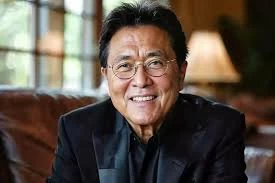
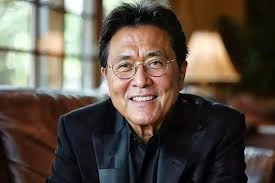
عاد الخبير المالي الأمريكي مؤلف كتاب «الأب الغني والأب الفقير» روبرت كيوساكي إلى التحذير مما يصفه بأكبر فقاعة مالية في تاريخ الأسواق. وأكد أن الانفجار بات مسألة وقت، حتى وإن ظلت هوية الدبوس الذي سيشعل الشرارة مجهولة.
وفي منشور حديث عبر منصة «X»، قال كيوساكي: «إن الأسواق لا تمنح المستثمرين إشعارات مسبقة»، معتبراً أن التشققات بدأت تلوح في الأفق عبر عدة فئات أصول بينها الأسهم والعملات المشفرة والسلع.
وأضاف كيوساكي: «لا أعرف ما الحدث أو الدبوس الذي سيفجر أكبر الفقاعات في التاريخ، لكن الدبوس قريب».
كيوساكي لم يكتف بالتحذير، بل قدم سيناريو متكاملاً لما قد يحدث بعد انفجار الفقاعة الكبرى، مع توقعات تقفز بأرقام غير مسبوقة في الأسواق العالمية.
وقال: «عندما تنفجر الفقاعات، أتوقع أن يصل الذهب إلى 35 ألف دولار للأوقية خلال عام واحد من انفجار فقاعة الذهب».
كما شملت توقعاته مجموعة من الأصول الأخرى: الفضة: 200 دولار للأوقية بعد عام من الانهيار، البيتكوين: 750 ألف دولار للعملة الواحدة بعد عام من الانهيار، والإيثيريوم: 95 ألف دولار بعد عام من الانهيار.
لحظة الانهيار
ولم يقدم الخبير المالي أي توقعات تتعلق بالفائدة أو بالقرارات الجيوسياسية أو أي محفزات محددة قد تقود للانفجار، بل ركز على أن عدم القدرة على تحديد لحظة الانهيار لا يلغي احتماليته.
وأضاف: «المسألة ليست إذا، بل متى».
وفق هذا الطرح، لا يحاول كيوساكي التنبؤ بالموعد بقدر ما يحاول لفت الانتباه إلى هشاشة الأسواق في دورة مالية يشير إليها منذ سنوات باعتبارها امتداداً غير طبيعي للسيولة الرخيصة.
هذه الأرقام برغم طابعها الصادم تنسجم مع رؤية كيوساكي التي ترتكز دائماً على الأصول الحقيقية والبدائل النقدية، باعتبارها ملاذاً أمام تضخم الديون وتعاظم المخاطر النظامية في الأسواق المالية.
تحيزات أم تحليل ؟
ويرى منتقدو كيوساكي أن مثل هذه التوقعات قد تعكس تحيزات استثمارية شخصية، فيما يعتبرها مؤيدوه امتداداً لتحليل طويل الأمد مبني على دورات اقتصادية متكررة.
وحتى أن الكثير من توقعات كيوساكي ليست وليدة اليوم ولكنها تحذيرات ممتدة منذ فترات طويلة، يعتبرها البعض محاولة لإثارة الخوف في جمهور متابعيه، حتى أنه خلال بعض الأوقات التي أوصى فيها بشراء بيتكوين كان يبيع وهي تتراجع.
رسالة كيوساكي، وفق قراءتها الاقتصادية، ليست في الارتهان لأرقام محددة، بل في التذكير بأن الفقاعات تتشكل في فترات التوسع المبالغ فيه، والتصحيحات تحدث حين تتجاوز الأسعار قيمها الأساسية، ولكن استراتيجيات المستثمرين تختلف حسب تحمل المخاطر واستعدادهم للأزمات.
The American financial expert and author of the book “Rich Dad Poor Dad,” Robert Kiyosaki, has returned to warn about what he describes as the largest financial bubble in market history. He confirmed that the explosion is just a matter of time, even if the identity of the pin that will ignite the spark remains unknown.
In a recent post on the “X” platform, Kiyosaki said, “Markets do not give investors any advance notices,” considering that cracks are beginning to appear on the horizon across several asset classes, including stocks, cryptocurrencies, and commodities.
Kiyosaki added, “I don’t know what the event or the pin will be that will burst the largest bubbles in history, but the pin is close.”
Kiyosaki did not stop at just warning; he provided a comprehensive scenario of what might happen after the explosion of the major bubble, with predictions jumping to unprecedented figures in global markets.
He stated, “When the bubbles burst, I expect gold to reach $35,000 an ounce within one year of the gold bubble bursting.”
His predictions also included a range of other assets: silver: $200 an ounce after a year of the collapse, Bitcoin: $750,000 per coin after a year of the collapse, and Ethereum: $95,000 after a year of the collapse.
The Moment of Collapse
The financial expert did not provide any predictions related to interest rates, geopolitical decisions, or any specific catalysts that might lead to the explosion; rather, he focused on the fact that the inability to pinpoint the moment of collapse does not negate its possibility.
He added, “The question is not if, but when.”
According to this perspective, Kiyosaki is not trying to predict the timing as much as he is trying to draw attention to the fragility of the markets in a financial cycle he has referred to for years as an unnatural extension of cheap liquidity.
These figures, despite their shocking nature, align with Kiyosaki’s vision, which always focuses on real assets and cash alternatives as a refuge against rising debt and increasing systemic risks in financial markets.
Biases or Analysis?
Kiyosaki’s critics believe that such predictions may reflect personal investment biases, while his supporters consider them an extension of long-term analysis based on recurring economic cycles.
Many of Kiyosaki’s predictions are not new but have been warnings extended over long periods, with some considering them an attempt to instill fear in his audience, even noting that during some times when he recommended buying Bitcoin, he was selling it as it declined.
Kiyosaki’s message, according to its economic reading, is not to be tied to specific numbers, but to remind that bubbles form during periods of excessive expansion, and corrections happen when prices exceed their fundamental values. However, investors’ strategies vary based on their risk tolerance and readiness for crises.