

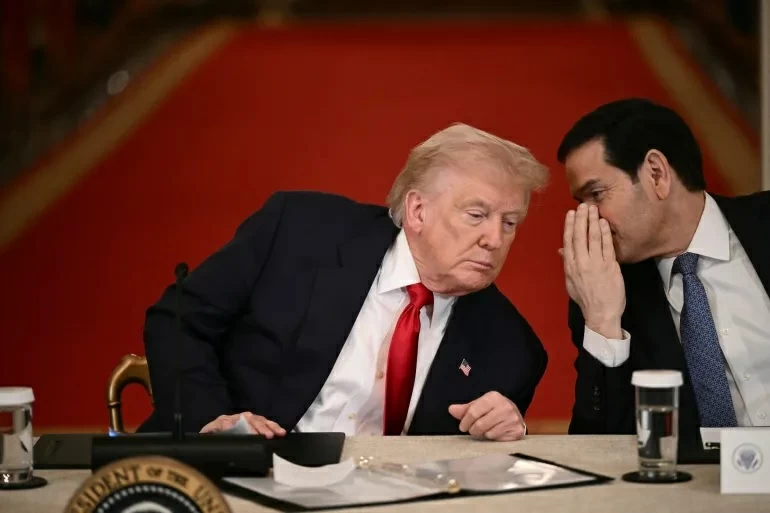
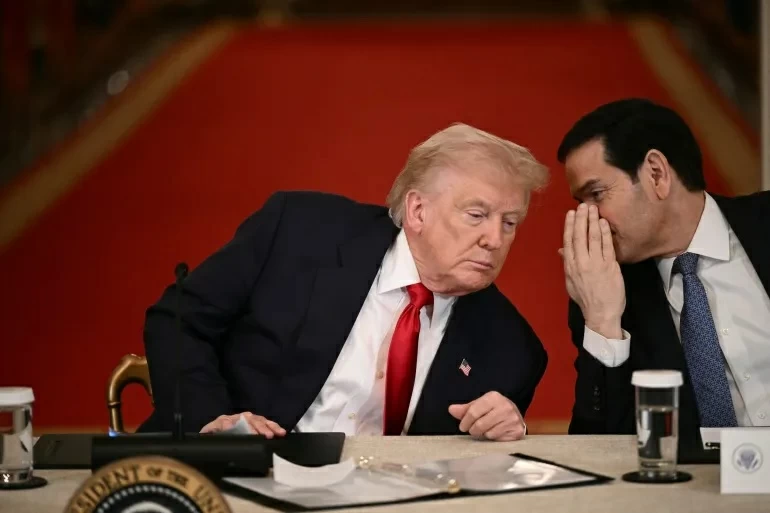
يثير غياب وزير الخارجية الأمريكي ماركو روبيو عن المفاوضات مع إيران باعتبارها الملف الأبرز حاليا، التساؤلات، ويطرح العديد من علامات الاستفهام أبرزها: هل انتهى الدور التقليدي لوزارة الخارجية، أم أن غيابه خيار سياسي ؟
مجلة «نيوزويك» عزت هذا الغياب إلى أن ترمب «رئيس غير تقليدي» يعتمد على خلفيته في عالم الأعمال لتسيير شؤون الدبلوماسية.
ورأت أن ترمب يميل إلى «خصخصة» السياسة الخارجية وإسنادها إلى أشخاص يثق بهم شخصيا، مثل ويتكوف وكوشنر، اللذين يقودان الآن جهود التفاوض ليس فقط مع إيران بل في أوكرانيا والشرق الأوسط وروسيا.
واللافت أن روبيو يحمل لقبا لم يحمله أحد قبله منذ عهد هنري كيسنجر في السبعينيات، إذ يجمع بين منصبي وزير الخارجية ومستشار الأمن القومي.
صحيفة «فايننشال تايمز»، كشفت أن روبيو لم يقم سوى بـ71 يوما من السفر منذ توليه منصبه، وهو المعدل الأقل لأي وزير خارجية أمريكي في هذا القرن.
أما روبيو نفسه فيبرر هذا البقاء بأنه لم يعد بحاجة إلى السفر، لأن قادة العالم يأتون إليه في واشنطن، ما يمكنه من عقد لقاءات تدمج دورَيْه معا في غرفة واحدة.
لكن خلف هذه، تبرز حسابات سياسية، إذ يُنظر إلى روبيو بأنه أحد الطامحين الجديين للترشح للرئاسة في عام 2028، تماما مثل غريمه داخل الإدارة نائب الرئيس جيه دي فانس.
إلا أن محللين يستبعدون وجود صلة بين غياب روبيو وانتخابات 2028، خصوصا أن الوزير سبق أن أعلن أنه سيدعم فانس ولن يترشح ضده، لكن «فايننشال تايمز» يميل إلى قراءة مختلفة، تربط بوضوح بين هذا النأي المتعمد عن أزمات الشرق الأوسط والطموحات الرئاسية المبكرة.
لكن مساعد جمهوري سابق، يرى أن نجاح مفاوضات إيران سيكون انتصارا هائلا لنائب الرئيس الذي تُظهره الاستطلاعات مرشحا محتملا لعام 2028)، لكنه يتساءل: ماذا لو فشلت المحادثات؟، حينئذ يكون جيه دي فانس قد فشل، وهذا يمثل نقطة إيجابية خالصة لروبيو، بحسب الصحيفة.
ولفتت إلى أن هذا ما يفسر تركيز وزير الخارجية جهوده في مناطق آمنة يمكنه تحقيق انتصارات فيها، وتحديدا في أمريكا اللاتينية مثل فنزويلا وكوبا ونيكاراغوا، مبتعدا قدر الإمكان عن الشرق الأوسط، وهو ما انعكس على حظوظه التي قفزت في استطلاع مؤتمر العمل السياسي المحافظ الأخير من 3% إلى 35%.
The absence of U.S. Secretary of State Marco Rubio from negotiations with Iran, which is currently the most prominent issue, raises questions and presents many points of inquiry, the most notable of which are: Has the traditional role of the State Department ended, or is his absence a political choice?
Newsweek magazine attributed this absence to Trump being a “non-traditional president” who relies on his background in the business world to manage diplomatic affairs.
It noted that Trump tends to “privatize” foreign policy and delegate it to people he personally trusts, such as Witkoff and Kushner, who are now leading negotiation efforts not only with Iran but also in Ukraine, the Middle East, and Russia.
Interestingly, Rubio holds a title that no one has held since Henry Kissinger in the 1970s, as he combines the roles of Secretary of State and National Security Advisor.
The Financial Times revealed that Rubio has only traveled for 71 days since taking office, the lowest rate for any U.S. Secretary of State this century.
Rubio himself justifies this lack of travel by stating that he no longer needs to travel, as world leaders come to him in Washington, allowing him to hold meetings that combine both of his roles in one room.
However, behind this, political calculations emerge, as Rubio is seen as one of the serious contenders for the presidential nomination in 2028, just like his rival within the administration, Vice President J.D. Vance.
However, analysts dismiss any connection between Rubio’s absence and the 2028 elections, especially since the secretary has previously announced that he would support Vance and would not run against him. Yet, the Financial Times leans towards a different interpretation, clearly linking this deliberate distancing from Middle Eastern crises to early presidential ambitions.
But a former Republican aide believes that a successful negotiation with Iran would be a huge victory for the vice president, who polls show as a potential candidate for 2028. However, he questions: What if the talks fail? In that case, J.D. Vance would have failed, which represents a pure positive point for Rubio, according to the newspaper.
It pointed out that this explains why the Secretary of State is focusing his efforts in safe areas where he can achieve victories, specifically in Latin America such as Venezuela, Cuba, and Nicaragua, distancing himself as much as possible from the Middle East, which has reflected on his prospects that jumped in the recent Conservative Political Action Conference poll from 3% to 35%.