



كشفت تقارير دولية الدور المحوري الذي لعبه مركز أبحاث طبي في السنغال في تحديد سلالة خطيرة من فايروس «هانتا» القاتل، بعد ظهور حالات إصابة مشتبه بها على متن سفينة سياحية كانت عالقة قبالة سواحل الرأس الأخضر مطلع مايو الجاري.
وبحسب التفاصيل، تلقت منظمة الصحة العالمية نداء استغاثة عاجل بعد الاشتباه بإصابة عدد من ركاب السفينة بسلالة قاتلة من فايروس«هانتا»، المعروف بمعدل وفيات مرتفع يصل إلى وفاة شخص من كل ثلاثة مصابين تقريبًا.
وكانت السفينة قد توقفت في عدد من الجزر النائية بالمحيط الأطلسي، ما أثار مخاوف من انتشار العدوى دوليًا، ودفع المنظمة الدولية للتحرك سريعًا بالتعاون مع معهد باستور في داكار بالسنغال، الذي يبعد نحو ساعة طيران فقط عن موقع السفينة.
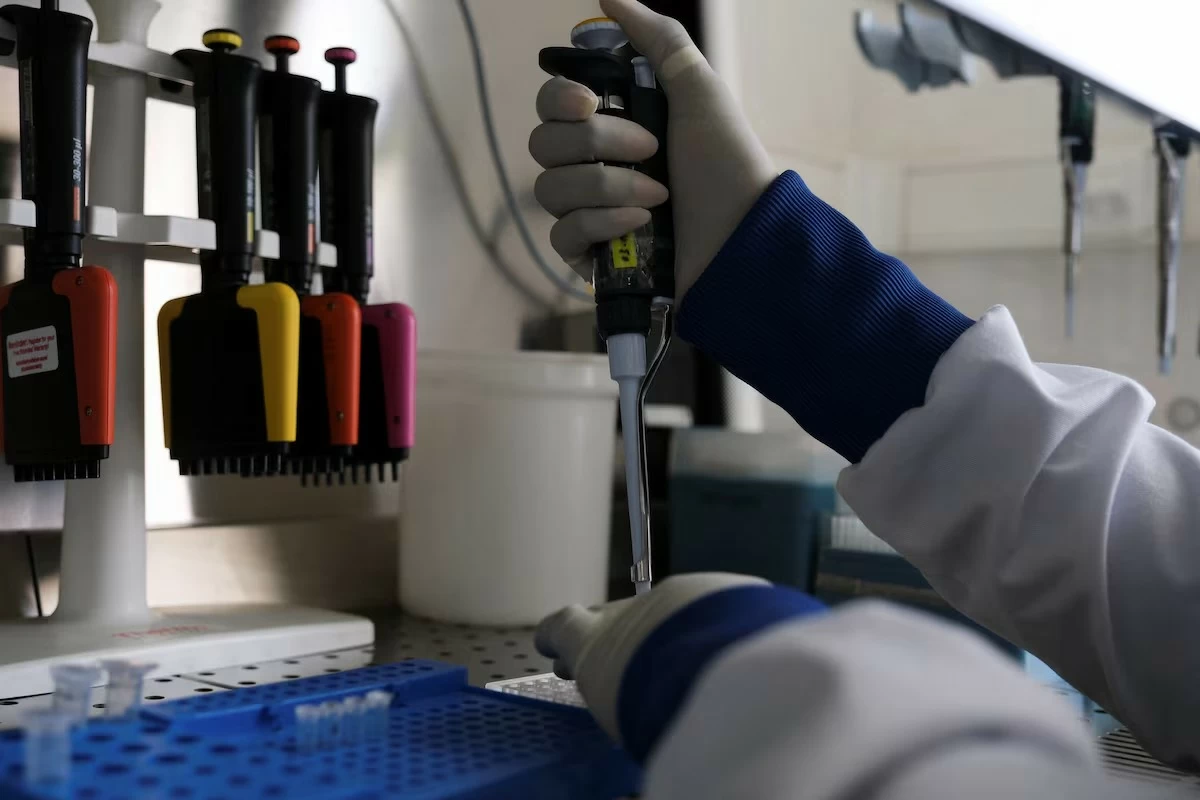
ووصلت العينات البيولوجية إلى العاصمة السنغالية داكار فجر الخامس من مايو، حيث بدأ العلماء العمل طوال الليل داخل مختبرات متخصصة مزودة بأجهزة متطورة وتقنيات متقدمة لتحليل التسلسل الجيني للفايروس.
وخلال أقل من 24 ساعة، تمكن الباحثون من استخراج جزء من الشفرة الوراثية للفايروس، ليتبين أن الإصابات تعود إلى سلالة «أنديز» من فايروس «هانتا»، وهي سلالة نادرة وخطيرة معروفة بقدرتها على الانتقال بين البشر عبر المخالطة المباشرة.
وأكدت مختبرات في جنوب أفريقيا وسويسرا النتائج نفسها في اليوم ذاته، قبل أن تعلن منظمة الصحة العالمية رسميًا تفاصيل الاكتشاف خلال مؤتمر صحفي.
وقال عالم الفايروسات ورئيس منصة التسلسل الجيني في معهد باستور، موسى مويز دياني، إن امتلاك قدرات تشخيصية متقدمة في مناطق مختلفة من العالم أمر بالغ الأهمية لرصد مسببات الأمراض بسرعة، مؤكدًا أن سرعة التشخيص تساعد بشكل مباشر في إدارة الحالات وتتبع المخالطين ومنع اتساع نطاق العدوى.
وأشار التقرير إلى أن كل ساعة كانت حاسمة لاحتواء التفشي، خصوصا بعد وفاة ثلاثة ركاب، بينهم شخص مر عبر مدينة جوهانسبرغ، فيما كانت السفينة «MV Hondius» تقل نحو 150 شخصًا من 23 دولة مختلفة.
وجرى نقل العينات داخل عبوات محكمة الإغلاق وفق إجراءات سلامة مشددة، قبل فتحها داخل مختبر احتواء حيوي متخصص، حيث قام فريق مدرب بتعطيل نشاط الفايروس وتجهيز العينات للفحص باستخدام أجهزة قادرة على رسم الخريطة الجينية الكاملة للفايروس.
وبحلول الثامن من مايو، نجح العلماء في تحديد التسلسل الجيني الكامل للفايروس، لتبدأ مختبرات حول العالم مقارنة الطفرات المحتملة ومدى تأثيرها على سرعة الانتشار وخطورة العدوى.
وأكد الباحثون أنه لم يتم رصد طفرات خطيرة مقارنة بتفشي فايروس«هانتا» الذي شهدته الأرجنتين خلال عامي 2018 و2019، وهو ما اعتُبر مؤشرًا مطمئنًا نسبيًا.
ورغم ذلك، حذر مسؤولو الصحة من احتمال ظهور إصابات جديدة في عدة دول،
نظرًا لأن فترة حضانة الفايروس قد تمتد إلى ستة أسابيع، بينما لا تزال هناك تساؤلات حول مكان وزمان بدء العدوى الأولى، وهو ما يعد عنصرًا أساسيًا لمنع انتشار الفايروس خارج المناطق التي يتوطن فيها.
وفي سياق متصل، سلط التفشي الجديد، إلى جانب حالات إيبولا المتزايدة في وسط أفريقيا، الضوء على أهمية شبكات المختبرات العالمية المتخصصة في مكافحة الأوبئة، خصوصا في ظل تقليص التمويل الدولي المخصص لبرامج الوقاية من الأمراض المعدية.
وأشار التقرير إلى أن المعاهد الوطنية للصحة الأمريكية أنهت أخيرا تمويل شبكة أبحاث الأمراض المعدية الناشئة، التي تضم مراكز بحثية في غرب أفريقيا، كما تم إلغاء مشروع تجريبي لدراسة آلية انتقال فايروس «هانتا» إلى البشر.
من جهتها، أكدت وزارة الصحة والخدمات الإنسانية الأمريكية استمرار التزامها بمواجهة التهديدات الصحية العالمية، نافية أن تكون الولايات المتحدة قد تراجعت عن دعم الأمن الصحي الدولي.
International reports have revealed the pivotal role played by a medical research center in Senegal in identifying a dangerous strain of the deadly “Hanta” virus, following the emergence of suspected cases aboard a cruise ship that was stranded off the coast of Cape Verde in early May.
According to the details, the World Health Organization received an urgent distress call after several passengers on the ship were suspected of being infected with a deadly strain of the “Hanta” virus, which is known for its high mortality rate, with nearly one in three infected individuals succumbing to the disease.
The ship had stopped at several remote islands in the Atlantic, raising concerns about the potential international spread of the infection, prompting the international organization to act quickly in collaboration with the Pasteur Institute in Dakar, Senegal, which is only about an hour’s flight from the ship’s location.
The biological samples arrived in the Senegalese capital, Dakar, in the early hours of May 5, where scientists began working overnight in specialized laboratories equipped with advanced devices and technologies to analyze the genetic sequence of the virus.
In less than 24 hours, researchers were able to extract part of the virus’s genetic code, revealing that the infections were linked to the “Andes” strain of the “Hanta” virus, a rare and dangerous strain known for its ability to spread between humans through direct contact.
Laboratories in South Africa and Switzerland confirmed the same results on the same day, before the World Health Organization officially announced the details of the discovery during a press conference.
Virologist and head of the genetic sequencing platform at the Pasteur Institute, Moussa Moïse Diani, stated that having advanced diagnostic capabilities in various regions of the world is crucial for rapidly monitoring pathogens, emphasizing that the speed of diagnosis directly aids in managing cases, tracking contacts, and preventing the spread of infection.
The report noted that every hour was critical in containing the outbreak, especially after the deaths of three passengers, including one person who passed through Johannesburg, while the ship “MV Hondius” was carrying about 150 people from 23 different countries.
The samples were transported in tightly sealed containers according to stringent safety procedures, before being opened inside a specialized biosafety laboratory, where a trained team inactivated the virus and prepared the samples for examination using devices capable of mapping the complete genetic profile of the virus.
By May 8, scientists succeeded in determining the complete genetic sequence of the virus, prompting laboratories around the world to compare potential mutations and their impact on the speed of spread and severity of infection.
Researchers confirmed that no dangerous mutations were observed compared to the outbreak of the “Hanta” virus that occurred in Argentina during 2018 and 2019, which was considered a relatively reassuring indicator.
Nevertheless, health officials warned of the possibility of new infections emerging in several countries,
as the incubation period for the virus can extend up to six weeks, while questions remain about where and when the initial infection began, which is a crucial element in preventing the virus from spreading beyond its endemic areas.
In a related context, the new outbreak, along with the increasing Ebola cases in Central Africa, highlighted the importance of global laboratory networks specialized in combating epidemics, especially in light of the reduction in international funding allocated for infectious disease prevention programs.
The report noted that the U.S. National Institutes of Health recently ended funding for the Emerging Infectious Diseases Research Network, which includes research centers in West Africa, and a pilot project to study the mechanism of transmission of the “Hanta” virus to humans was also canceled.
For its part, the U.S. Department of Health and Human Services reaffirmed its commitment to addressing global health threats, denying that the United States has retreated from supporting international health security.