



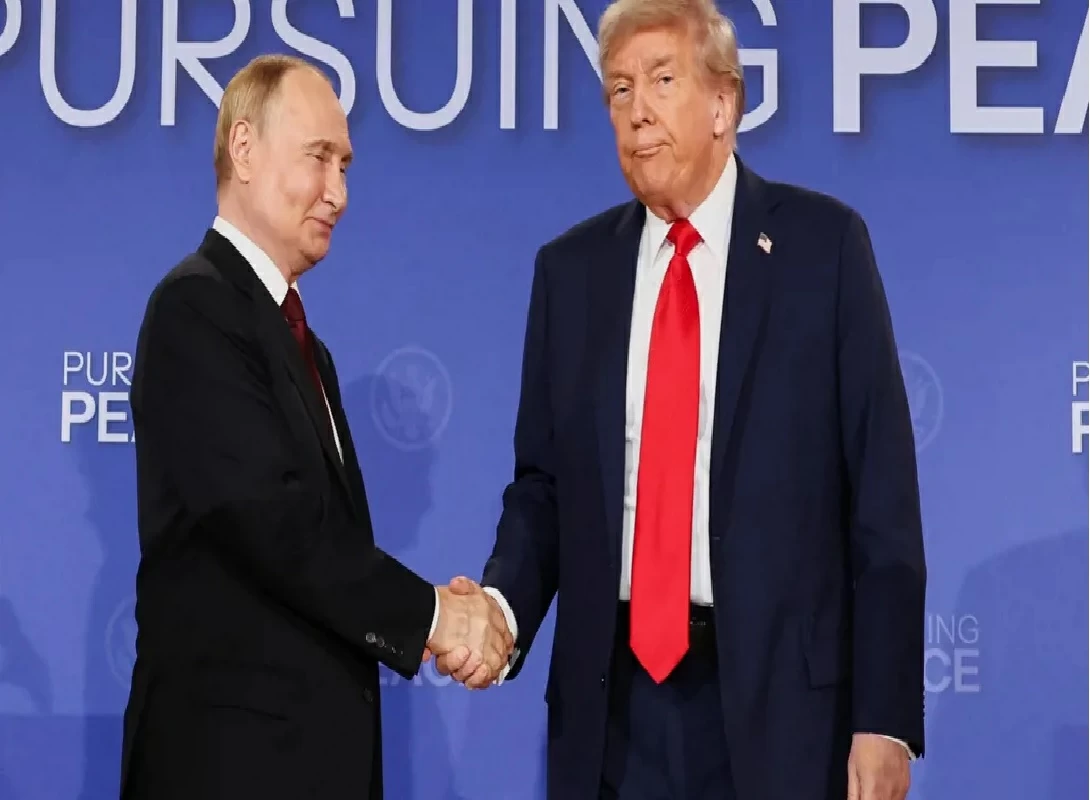
اعتبرت مجلة «فورين بوليسي» أنه بعد نحو عام على قمة ألاسكا بين الرئيسين الأمريكي دونالد ترمب والروسي فلاديمير بوتين، فإن موسكو لاترى في المسار الأمريكي مدخلا مضمونا لانتزاع ما تريده من كييف، فيما باتت أوكرانيا أكثر جرأة في انتقاد الوساطة الأمريكية، وأكثر قدرة على تقليل اعتمادها على واشنطن.
«روح أنكوريج».. نتيجة محدودة
ونقلت عن أحد كبار مسؤولي السياسة الخارجية الروسية يوري أوشاكوف، قوله: إنه لا يعرف شيئا عن «روح أنكوريج» في إشارة إلى أكبر مدينة في ولاية آلاسكا الأمريكية، ولم يستخدم هذه العبارة أصلا، ما يؤكد تراجع الحماسة الروسية لمسار تفاوضي قادته واشنطن أولاً عبر المبعوث الأمريكي ستيف ويتكوف.
ولفتت إلى أن الكرملين حاول استمالة الفريق الأمريكي؛ فسافر ويتكوف إلى موسكو 6 مرات للقاء الرئيس بوتين، والتقى وزير الخارجية سيرغي لافروف، وأوفدت موسكو رجل الأعمال كيريل دميترييف لبحث الشق الاقتصادي من أي صفقة محتملة، غير أن كل هذا الحراك انتهى إلى نتيجة محدودة: روسيا لم تتراجع عن مطلب السيطرة الكاملة على الدونباس، وواشنطن لم تستطع، أو لم تشأ، دفع كييف إلى التخلي عنه.
واشنطن تفقد أوراقها
يصور ترمب روسيا كالطرف الأقوى في الحرب، وسبق أن قال للرئيس الأوكراني فولوديمير زيلينسكي إن بلاده لا تملك «الأوراق»، كما جادل نائبه جي دي فانس بأن كييف ستخسر الدونباس على الأرجح. لكن فورين بوليسي تشير إلى أن هذا التقدير لم يتحقق؛ فروسيا لم تحرز مكاسب واسعة في الدونباس، بل خسرت بعض الأراضي في مناطق أخرى.
في المقابل، تراجعت قدرة واشنطن على الضغط على أوكرانيا. فبعد خفض المساعدات الأمريكية، عوضت دول أوروبية جزءا كبيرا من التمويل، وفق معهد كيل للاقتصاد العالمي، وأدى سقوط رئيس الوزراء المجري فيكتور أوربان إلى فتح الطريق أمام 104 مليارات دولار من أموال الاتحاد الأوروبي لكييف.
تبرم كييف بواشنطن أكثر علنية
وربما الأمر اللافت، حسب المجلة، أن ذلك زاد من ثقة أوكرانيا بنفسها. فقد وسّعت إنتاجها المحلي من الأسلحة، خصوصاً المسيّرات الاعتراضية والروبوتات الأرضية، وبدأت حملتها ضد روسيا تؤتي ثمارها. وأضافت أن كييف، بفضل المسيّرات والتكنولوجيا الحديثة، باتت تقتل جنودا روسا بوتيرة أسرع مما تستطيع موسكو تعويضه بسهولة، كما تضغط هجماتها على منشآت النفط الروسية على اقتصاد يعتمد بقوة على الطاقة.
لهذا أصبح تبرم كييف بواشنطن أكثر علنية. فقد نقلت فورين بوليسي عن زيلينسكي قوله إن المفاوضين الأمريكيين «لم يعودوا يجدون وقتا لأوكرانيا».
أوروبا.. وسيط بلا رسالة موحدة
ومع تراجع الثقة بالمسار الأمريكي، بدأت كييف وموسكو تبديان انفتاحًا على دور أوروبي أكبر. فبحسب فورين بوليسي، تحدث زيلينسكي مع رئيس المجلس الأوروبي أنطونيو كوستا بشأن إشراك أوروبا مباشرة، بما في ذلك احتمال تعيين مبعوث يمثل القارة في المفاوضات. وطُرحت أسماء مثل المستشارة الألمانية السابقة أنغيلا ميركل ورئيس البنك المركزي الأوروبي السابق ماريو دراغي.
أما بوتين، فاقترح المستشار الألماني السابق غيرهارد شرودر، المعروف بعلاقاته الوثيقة مع موسكو، وسيطا محتملا، وهو اقتراح رفضه القادة الأوروبيون. لكن حتى من دون شرودر، لا تبدو أوروبا جاهزة لوراثة الدور الأمريكي. فهي ترفض، على الأرجح، أسلوب ترمب في الضغط على أوكرانيا، لكنها لم تتفق بعد على رسالة واحدة تجاه روسيا.
ونقلت المجلة عن بيتر سليزكين، مدير برنامج روسيا في مركز ستيمسون، أن الأوروبيين ربما بدأوا البحث عن «رسول»، لكنهم مايزالون بعيدين عن الاتفاق على «الرسالة». وهذه هي عقدة الدور الأوروبي: القارة تملك المال والدافع والخبرة التاريخية، لكنها لا تزال موزعة بين تشدد دول البلطيق وحذر عواصم أخرى أكثر ميلًا إلى المرونة مع موسكو.
Foreign Policy magazine considered that nearly a year after the Alaska summit between U.S. President Donald Trump and Russian President Vladimir Putin, Moscow does not see the U.S. path as a guaranteed entry point to extract what it wants from Kyiv, while Ukraine has become bolder in criticizing U.S. mediation and more capable of reducing its dependence on Washington.
“Anchorage Spirit”… Limited Outcome
It quoted one of the senior Russian foreign policy officials, Yuri Ushakov, saying that he knows nothing about the “Anchorage Spirit,” referring to the largest city in the U.S. state of Alaska, and he did not even use this phrase, which confirms the decline of Russian enthusiasm for a negotiating path initially led by Washington through U.S. envoy Steve Biegun.
The magazine noted that the Kremlin tried to win over the U.S. team; Biegun traveled to Moscow six times to meet President Putin, met with Foreign Minister Sergey Lavrov, and Moscow sent businessman Kirill Dmitriev to discuss the economic aspect of any potential deal. However, all this activity ended with a limited outcome: Russia did not back down from its demand for full control over Donbas, and Washington could not, or did not want, to push Kyiv to abandon it.
Washington Loses Its Leverage
Trump portrays Russia as the stronger party in the war, and he previously told Ukrainian President Volodymyr Zelensky that his country does not have the “cards,” while his deputy J.D. Vance argued that Kyiv is likely to lose Donbas. However, Foreign Policy points out that this assessment has not materialized; Russia has not made significant gains in Donbas and has actually lost some territory in other areas.
In contrast, Washington’s ability to pressure Ukraine has diminished. After cutting U.S. aid, European countries compensated for a large part of the funding, according to the Kiel Institute for the World Economy, and the fall of Hungarian Prime Minister Viktor Orbán opened the way for $104 billion in EU funds to Kyiv.
Kyiv’s Discontent with Washington Becomes More Public
Perhaps the striking thing, according to the magazine, is that this has increased Ukraine’s self-confidence. It has expanded its domestic production of weapons, especially intercept drones and ground robots, and its campaign against Russia is beginning to bear fruit. It added that Kyiv, thanks to drones and modern technology, is now killing Russian soldiers at a faster rate than Moscow can easily replace, while its attacks on Russian oil facilities are putting pressure on an economy heavily reliant on energy.
For this reason, Kyiv’s discontent with Washington has become more public. Foreign Policy quoted Zelensky as saying that U.S. negotiators “no longer find time for Ukraine.”
Europe… A Mediator Without a Unified Message
With declining confidence in the U.S. path, Kyiv and Moscow have begun to show openness to a larger European role. According to Foreign Policy, Zelensky spoke with European Council President Antonio Costa about involving Europe directly, including the possibility of appointing an envoy representing the continent in the negotiations. Names such as former German Chancellor Angela Merkel and former European Central Bank President Mario Draghi were suggested.
As for Putin, he proposed former German Chancellor Gerhard Schröder, known for his close ties to Moscow, as a potential mediator, a suggestion that European leaders rejected. However, even without Schröder, Europe does not seem ready to inherit the U.S. role. It likely rejects Trump’s approach to pressuring Ukraine but has not yet agreed on a single message toward Russia.
The magazine quoted Peter Slezkin, director of the Russia program at the Stimson Center, stating that Europeans may have begun looking for a “messenger,” but they are still far from agreeing on the “message.” This is the crux of the European role: the continent has the money, motivation, and historical experience, but it remains divided between the hardline Baltic states and other capitals that are more inclined to be flexible with Moscow.


