


لم تكن المقالة الأخيرة للروائي العراقي علي بدر، المعنونة بـ«المثقفون العرب ودول الخليج: حين انتقل المال ولم ينتقل التاريخ»، مجرد قراءة قاصرة للمشهد الثقافي الراهن، بل جاءت سقطة معرفية مدوية تكشف عن «وقاحة مفاهيمية» فجة. إنها الوقاحة التي تجرد الثقافة والأدب من أسمى وظائفهما: تهذيب الخطاب، والتحرر من النرجسية الشوفينية، والانعتاق من أسر الأيديولوجيات البائدة. لقد كشفت المقالة عن عقلية استعلائية، طبقية وعنصرية، لا تقرأ الواقع إلا بعيون الماضي المأزوم، متدثرة بعباءة «نخبوية» زائفة لم يزدها الأدب إلا صلفاً وتنكراً للحقائق.
إن هذا الإصرار على اختزال الخليج في جغرافيا «المنصة والمال»، ونفي قدرته على إنتاج «التاريخ والمعنى»، لا يمكن تفسيره أدواتياً إلا عبر تفكيك البنية النفسية والاجتماعية التي يصدر عنها هذا الخطاب.
في علم الاجتماع النقدي، يفكك بيير بورديو (Pierre Bourdieu) في كتابه المرجعي «التميز: النقد الاجتماعي للحكم» (Distinction, 1979) كيف تحاول النخب الآفلة استخدام ما تسميه «الشرعية التاريخية» أو «الأصالة الثقافية» كنوع من العنف الرمزي (Symbolic Violence) لحماية امتيازاتها القديمة المهددة. يرى بورديو أن النخب عندما تفقد أدوات السيطرة الفعلية، تلجأ إلى صناعة تراتبية وهمية تقصي بها القادمين الجدد، معتبرةً أن إنتاجهم الثقافي مجرد «مُحاكاة» تفتقر للعمق.
هذا السلوك الهجومي يتقاطع بنيوياً مع ما أسماه الفيلسوف وعالم الاجتماع ماكس شيلر (Max Scheler) في كتابه «الضغينة في بناء الأخلاق» (Ressentiment, 1912) بـ«الإنقاص القيمي اللاشعوري». حيث يرى شيلر أن العاجز عن مضاهاة تفوق الآخر أو مواكبة صعوده الحيوى، يلجأ لا شعورياً إلى «بخس قيمة» منجزات هذا الآخر وإرجاعها حصراً إلى عوامل مادية بحتة (كالمال)، كآلية دفاعية نفسية لحماية ذاته المتضخمة من الشعور بالدونية وفقدان المركزية.
وعلي بدر في مقالته يمارس هذا الإنقاص القيمي بكل حذافيره؛ فهو لا يجهل الأسماء الروائية والشعرية والنقدية الخليجية التي ملأت الساحة العربية إبداعاً وتميزاً طوال ربع القرن الأخير، بل يتجاهلها عمداً. إنه تجاهل مسبق الصنع، لأن الاعتراف بها يعني بالضرورة انهيار أطروحته الهشة، واعترافاً قسرياً بأن «المركز» التقليدي الذي يتباكى عليه قد تفتت وتوزع، وأن الشرعية الإبداعية تُكتسب بالنص لا بالبطاقة الجغرافية.
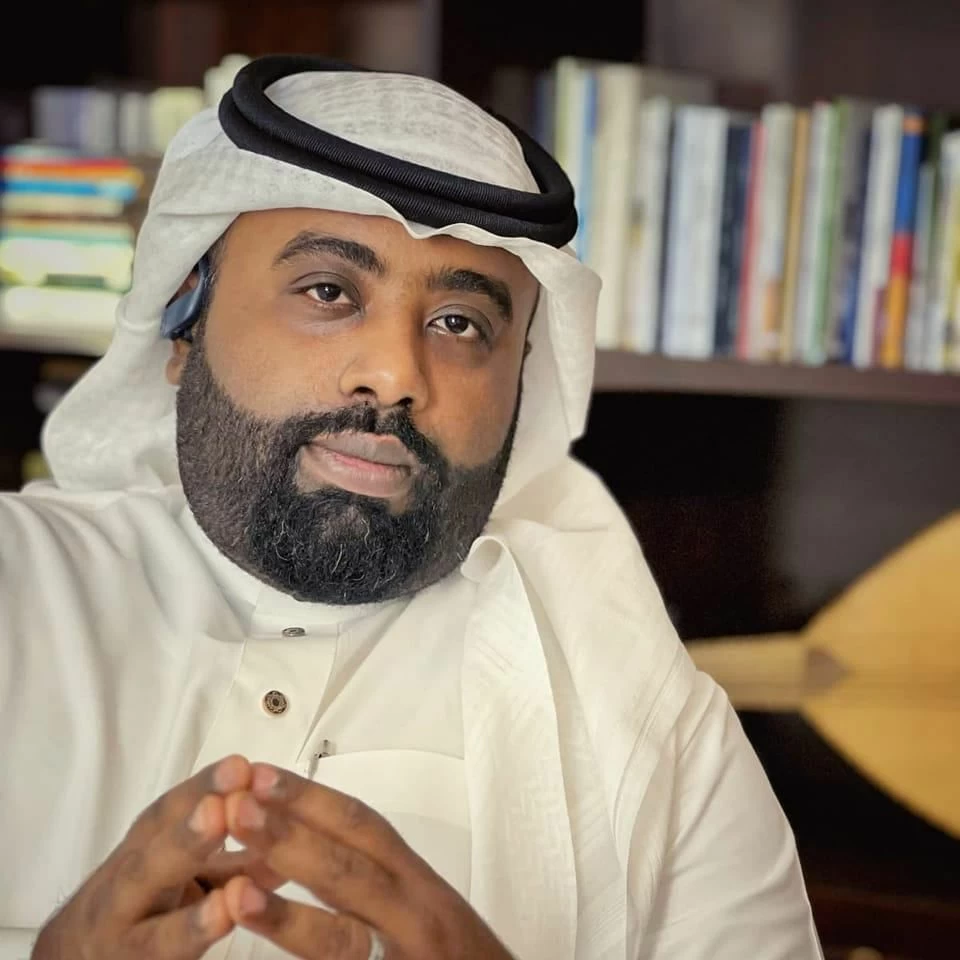
إنني بوصفي شاعراً ومترجماً حضرمياً، وُلدت ونشأت في أرض المملكة العربية السعودية، وعاشت أسرتي متأملة وشاهدة على التحولات العميقة والديناميكيات التي مر بها الخليج طوال خمسين عاماً، يحق لي أن أضع الحقائق في سياقها التاريخي الطويل الذي يتناسى بدر فصوله…
فإن تحدثنا عن «أصالة المعنى» فإنه ومنذ البدء، منذ عهد المعلقات وشعرية الصحراء الأولى، كانت الجزيرة العربية هي مصدر هذا المعنى الأول وموئل لغته ومجازاته.
ولا غرابة اليوم أن يعود هذا الفضاء الجغرافي ليقود المشهد ليس بوصفه «مديراً» أو «ممولاً» كما يزعم بدر باختزاله الفج، بل بوصفه مُنتجاً حقيقياً وصانعاً متفوقاً للمعنى، روائياً، وشعرياً، ونقدياً.
إن المشهد الترجمي العربي اليوم، على سبيل المثال، يقاد في أنصع صوره وأكثرها حيوية وعمقاً بواسطة مترجمين شبان من أبناء هذه الجغرافيا الخليجية. هؤلاء الشباب لا يتنكرون لمن سبقهم في رقعة الوطن العربي الكبير، ولا يمارسون قطعاً معرفياً مع الحواضر الأخرى، بل يؤمنون بعقلية ناضجة أن إنتاج المعنى هو فعل تراكمي مستمر؛ شعلة حضارية تتنقل عبر الجغرافيا، تعلو يوماً هنا وتخفت يوماً هناك، دون أن يعني خفوتها موتاً، ودون أن يعني علوها «تعدياً صفيقاً» على التاريخ.
إن الخليج العربي في خضم التحولات الكبرى الحالية لم يطلب يوماً تعاطفاً من النخب المأزومة ولكنه طالما قاد السؤال المعرفي والأخلاقي الحاد لمحاولة فهم أسباب غياب هذا التعاطف والجفاء من شرائح معينة تدعي التنوير، بينما هو في الوقت ذاته يُثمن مواقف أولئك المنصفين الأحرار الذين رأوا الحق وأدانوا الباطل بلا مواربة أو حسابات ضيقة.
وهنا تكمن المفارقة المضحكة المبكية بالعودة إلى منجز علي بدر وسيرته الثقافية؛ فالرجل الذي ملأ الدنيا ضجيجاً بروايات تحاكم الأيديولوجيات وصناعة الأيقونات الزائفة والتمركز حول الذات النخبوية -مثل «بابا سارتر» و«شتاء العائلة»- يسقط اليوم في الفخ ذاته الذي ادعى طوال مسيرته تفكيكه. يتحول الروائي «الحداثي» فجأة إلى حارس لبوابة معبد قديم مهدم، ليمارس «سلفية ثقافية مقيتة» لا تختلف في جوهرها الإقصائي عن أي سلفية دينية متطرفة: كلاهما يسكن القبور، وكلاهما يرفض الاعتراف بالزمن وتحولاته.
إنك يا علي بدر، وبعد كل هذه السنين، تثبت أنك لا تقرأ بعقلك، بل تراقب وتحلل من خلال عدسة موجهة مسبقاً، استقر فيها وقرُ النخب العربية التقليدية التي أخطأت تاريخياً بحق أنفسها وبحق شعوبها في القرن الماضي فأوردتهم المهالك بالشعارات الجوفاء والأوهام الاستعلائية.
لقد عجزت هذه النخب عن صناعة واقع مستقر في أوطانها، فاستكثرت على الآخرين أن يصنعوا منجزاً وثقافة وتاريخاً مشرقاً يتجاوز أخطاء الماضي.
عليك أن تعيش زمنك لا زمن أسلافك. عليك أن تتخلى عن هذه الشوفينية الثقافية التي تلفظ أنفاسها الأخيرة. الخليج اليوم ليس بحاجة لصك غفران ثقافي من نخب تعيش على أطلال القرن العشرين؛ فالقوافل الإبداعية الخليجية تسير، تنتج، تترجم، وتصنع التاريخ حقيقةً لا مجازاً، بينما لم يتبقَ للمستعلين سوى إعادة تدوير الرماد.
The recent article by Iraqi novelist Ali Badr, titled “Arab Intellectuals and the Gulf States: When Money Moved but History Did Not,” was not merely a limited reading of the current cultural scene, but rather a resounding intellectual failure that reveals a “blatant conceptual arrogance.” This arrogance strips culture and literature of their highest functions: refining discourse, liberating from narcissistic chauvinism, and breaking free from the shackles of outdated ideologies. The article exposed a condescending, classist, and racist mentality that views reality only through the eyes of a troubled past, cloaked in a false “elitist” mantle that literature has only added to its arrogance and denial of facts.
This insistence on reducing the Gulf to the geography of “platforms and money,” while denying its ability to produce “history and meaning,” can only be explained instrumentally by deconstructing the psychological and social structure from which this discourse emanates.
In critical sociology, Pierre Bourdieu deconstructs in his seminal book “Distinction: A Social Critique of the Judgement” (1979) how declining elites attempt to use what they call “historical legitimacy” or “cultural authenticity” as a form of symbolic violence to protect their threatened old privileges. Bourdieu argues that when elites lose actual control, they resort to creating a fictitious hierarchy that excludes newcomers, considering their cultural production as mere “imitation” lacking depth.
This offensive behavior structurally intersects with what philosopher and sociologist Max Scheler referred to in his book “Ressentiment” (1912) as “unconscious devaluation.” Scheler believes that those unable to match the superiority of others or keep pace with their vital rise unconsciously resort to “devaluing” the achievements of that other, attributing them solely to purely material factors (like money), as a psychological defense mechanism to protect their inflated self from feelings of inferiority and loss of centrality.
In his article, Ali Badr practices this value devaluation in all its details; he is not unaware of the Gulf’s novelists, poets, and critics who have filled the Arab scene with creativity and distinction over the past quarter-century, but he deliberately ignores them. This is a pre-manufactured neglect, for acknowledging them would necessarily mean the collapse of his fragile thesis and a forced admission that the traditional “center” he laments has fragmented and dispersed, and that creative legitimacy is gained through text, not geographical card.
As a Hadhrami poet and translator, born and raised in the Kingdom of Saudi Arabia, and having witnessed my family reflect on and observe the profound transformations and dynamics that the Gulf has undergone over the past fifty years, I have the right to place the facts in their long historical context that Badr conveniently forgets…
If we talk about “the authenticity of meaning,” it has, from the very beginning, since the era of the Mu’allaqat and the early poetry of the desert, been the Arabian Peninsula that is the source of this initial meaning and the refuge of its language and metaphors.
It is no surprise today that this geographical space returns to lead the scene not as a “manager” or “financier,” as Badr claims with his crude reduction, but as a true producer and superior creator of meaning, whether in novels, poetry, or criticism.
For instance, the current Arab translation scene is led in its brightest and most vibrant and profound forms by young translators from this Gulf geography. These young people do not deny those who preceded them in the vast Arab homeland, nor do they engage in a cognitive rupture with other cultural centers, but rather believe with a mature mentality that the production of meaning is a continuous cumulative act; a civilizational flame that moves across geography, rising one day here and dimming another day there, without its dimming meaning death, and without its rising meaning a “blatant transgression” against history.
The Arab Gulf, amidst the current major transformations, has never sought sympathy from the troubled elites, but has always led the sharp epistemological and moral question to understand the reasons behind the absence of this sympathy and the coldness from certain segments that claim enlightenment, while at the same time valuing the positions of those fair-minded free individuals who saw the truth and condemned falsehood without equivocation or narrow calculations.
Here lies the ironic and tragic paradox when returning to Ali Badr’s achievements and cultural biography; the man who filled the world with noise through novels that judge ideologies and the creation of false icons and centering around elitist self – such as “Papa Sartre” and “Winter of the Family” – falls today into the same trap he claimed to dismantle throughout his career. The “modernist” novelist suddenly turns into a guardian of the gate of an ancient ruined temple, practicing a “repugnant cultural fundamentalism” that is no different in its exclusionary essence from any extremist religious fundamentalism: both inhabit graves, and both refuse to acknowledge time and its transformations.
Ali Badr, after all these years, you prove that you do not read with your mind, but rather observe and analyze through a lens pre-directed, settled within it the traditional Arab elites that historically wronged themselves and their peoples in the last century, leading them to disaster with hollow slogans and arrogant illusions.
These elites have failed to create a stable reality in their homelands, and have resented others for producing an achievement, culture, and bright history that transcends the mistakes of the past.
You must live your time, not the time of your ancestors. You must abandon this cultural chauvinism that is breathing its last. The Gulf today does not need a cultural indulgence from elites living on the ruins of the twentieth century; for the Gulf’s creative caravans are moving, producing, translating, and making history a reality, not a metaphor, while the arrogant have nothing left but to recycle the ashes.