



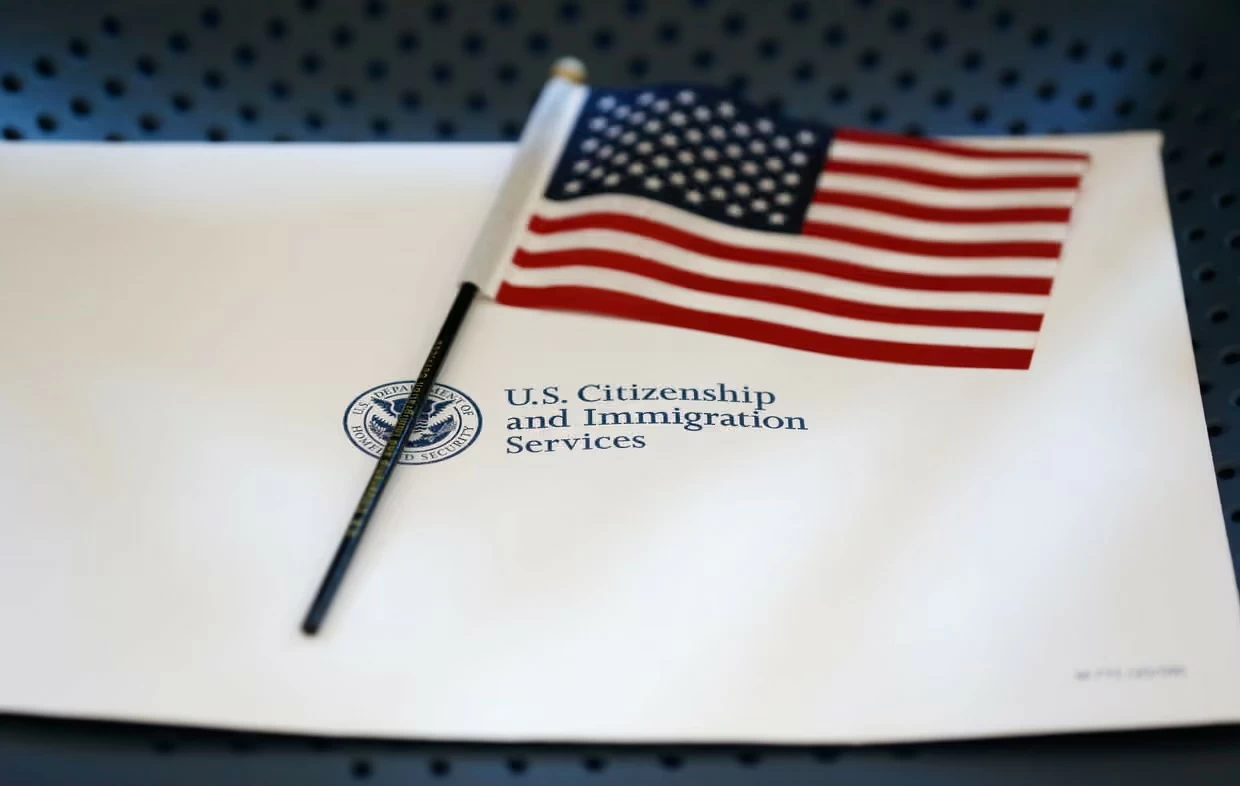
أعلنت إدارة الرئيس الأمريكي دونالد ترمب تغييرات جديدة على إجراءات الحصول على الإقامة الدائمة «الجرين كارد»، تقضي بإلزام العديد من المتقدمين الموجودين داخل الولايات المتحدة بمغادرة البلاد واستكمال طلباتهم عبر القنصليات والسفارات الأمريكية بالخارج.
وأوضحت هيئة خدمات المواطنة والهجرة الأمريكية، في مذكرة سياسية صدرت، أمس (الجمعة)، أن موظفيها سيقومون بدراسة كل حالة على حدة لتحديد ما إذا كانت تستحق استثناءات خاصة تسمح باستكمال الإجراءات من داخل الولايات المتحدة.
ويمثل القرار تحولًا كبيرًا في نظام الهجرة الأمريكي، إذ إن آلية تعديل الوضع القانوني للمهاجرين داخل البلاد للحصول على «الجرين كارد» ظلت مطبقة لأكثر من 60 عامًا دون تغييرات جوهرية.
وقالت وزارة الأمن الداخلي الأمريكية، المشرفة على هيئة الهجرة، إن «الأجنبي الموجود مؤقتًا داخل الولايات المتحدة والراغب في الحصول على الإقامة الدائمة، عليه العودة إلى بلده الأصلي لتقديم الطلب».
وأضافت الوزارة أن السياسة الجديدة تهدف إلى إعادة نظام الهجرة للعمل بالشكل الذي حدده القانون، بدلًا من تشجيع استغلال الثغرات القانونية.
وبحسب محللين في معهد كاتو- وهو مركز بحث ليبرالي أمريكي مقره في واشنطن العاصمة – ، فإن أكثر من مليون مهاجر داخل الولايات المتحدة ينتظرون حاليًا الحصول على «الجرين كارد».
ويحصل المهاجرون على الإقامة الدائمة عبر مسارين: الأول من خلال التقديم في القنصليات الأمريكية بالخارج، والثاني عبر ما يعرف بـ«تعديل الوضع القانوني» من داخل الولايات المتحدة.
لكن مع السياسة الجديدة، سيُطلب من عدد كبير من المتقدمين مغادرة البلاد أثناء معالجة طلباتهم، ما قد ينعكس بشكل مباشر على الأسر المختلطة الوضع القانوني، إذ قد يضطر بعض الأفراد إلى ترك وظائفهم ومنازلهم وعائلاتهم لفترات غير معلومة.
كما يثير القرار مخاوف إضافية بسبب التراكم الكبير في ملفات التأشيرات والإقامة الدائمة داخل أجهزة الهجرة الأمريكية، في وقت لا تزال فيه تفاصيل التعامل مع الطلبات المقدمة بالفعل غير واضحة.
وانتقدت منظمات حقوقية وإنسانية القرار، بينها منظمة HIAS – هي منظمة إغاثة تقدم خدماتها للاجئين-التي أكدت أن السياسة الجديدة قد تجبر ضحايا الاتجار بالبشر والأطفال الذين تعرضوا للإهمال أو العنف على العودة إلى دول خطرة هربوا منها سابقًا، فقط لاستكمال إجراءات الإقامة الدائمة.
ويأتي هذا الإجراء ضمن سلسلة من السياسات التي تبنتها إدارة ترمب خلال العام الماضي لتشديد قوانين الهجرة، إذ سبق أن خفّضت مدة بعض التأشيرات الخاصة بالطلاب والزائرين الثقافيين والعاملين في وسائل الإعلام.
وفي يناير الماضي، أعلنت وزارة الخارجية الأمريكية أنها ألغت أكثر من 100 ألف تأشيرة خلال الولاية الثانية لترمب، كما اتخذت الإدارة خطوات أخرى استهدفت بعض الفئات التي تتمتع بوضع قانوني داخل الولايات المتحدة، مثل اللاجئين والمهاجرين الحاصلين على برامج حماية خاصة.
The administration of President Donald Trump announced new changes to the procedures for obtaining permanent residency, known as the “green card,” which require many applicants currently in the United States to leave the country and complete their applications through U.S. consulates and embassies abroad.
The U.S. Citizenship and Immigration Services (USCIS) clarified in a policy memo issued yesterday (Friday) that its employees will review each case individually to determine whether it qualifies for special exceptions that allow the procedures to be completed from within the United States.
This decision represents a significant shift in the U.S. immigration system, as the mechanism for adjusting the legal status of immigrants within the country to obtain a “green card” has been in place for over 60 years without substantial changes.
The U.S. Department of Homeland Security, which oversees the immigration agency, stated that “a foreign national temporarily present in the United States who wishes to obtain permanent residency must return to their home country to submit the application.”
The department added that the new policy aims to restore the immigration system to operate as defined by law, rather than encouraging the exploitation of legal loopholes.
According to analysts at the Cato Institute—a liberal research center based in Washington, D.C.—more than one million immigrants currently in the United States are waiting to obtain a “green card.”
Immigrants obtain permanent residency through two pathways: the first is by applying at U.S. consulates abroad, and the second is through what is known as “adjustment of status” from within the United States.
However, under the new policy, a large number of applicants will be required to leave the country while their applications are processed, which may directly impact families with mixed legal statuses, as some individuals may be forced to leave their jobs, homes, and families for unknown periods.
The decision also raises additional concerns due to the significant backlog in visa and permanent residency applications within U.S. immigration agencies, at a time when the details of handling already submitted applications remain unclear.
Human rights and humanitarian organizations have criticized the decision, including HIAS—a relief organization that provides services to refugees—which emphasized that the new policy could force victims of human trafficking and children who have faced neglect or violence to return to dangerous countries they previously fled, just to complete their permanent residency procedures.
This measure is part of a series of policies adopted by the Trump administration over the past year to tighten immigration laws, as it had previously reduced the duration of certain visas for students, cultural visitors, and media workers.
In January, the U.S. State Department announced that it had revoked more than 100,000 visas during Trump’s second term, and the administration took other steps targeting specific groups with legal status in the United States, such as refugees and immigrants with special protection programs.


