



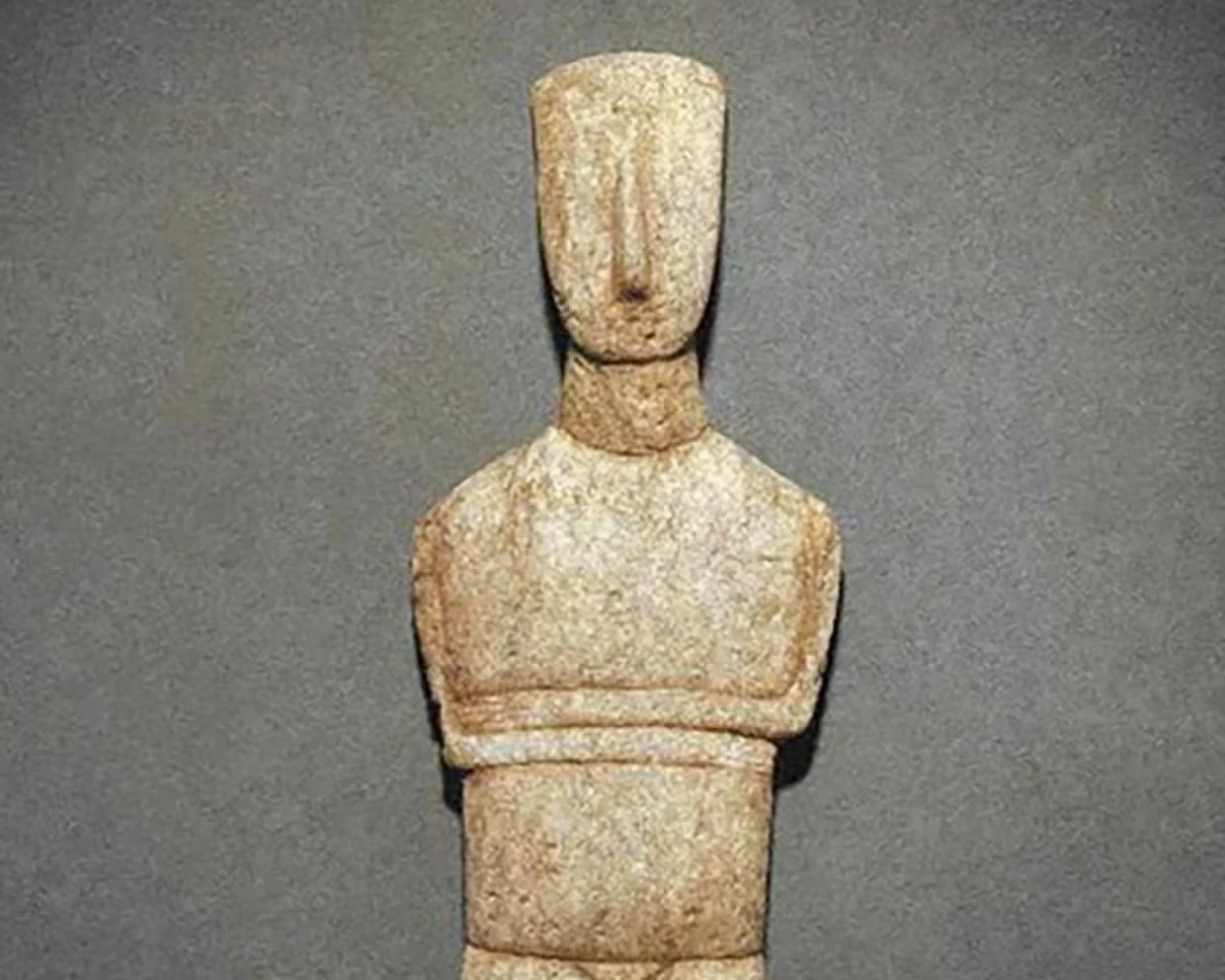
كشفت محكمة بريطانية تفاصيل محاولة احتيال فاشلة نفذها رجل بريطاني حاول بيع تماثيل أثرية مزيفة إلى دار المزادات الشهيرة سوذبيز، بعدما فضحت تقنيات طباعة حديثة استخدمت في مستندات زعم أنها تعود إلى سبعينيات القرن الماضي، وفق ما أفادت به صحيفة الغارديان.
وذكرت المحكمة أن أندرو كراولي، البالغ من العمر 46 عاماً والمنحدر من منطقة لونجويل جرين في غلوسترشير، تقدم إلى دار المزادات طالباً تقييم ثلاثة تماثيل سيكلادية وتمثال صغير يُعرف باسم «المتأمل الأناضولي»، مدعياً أنه ورثها عن جده.
وأوضح الادعاء أن قيمة القطع، في حال كانت أصلية، قد تصل إلى نحو 680 ألف جنيه إسترليني، استناداً إلى أسعار بيع سابقة لقطع مشابهة، إلا أن القاضي خفّض القيمة التقديرية إلى 340 ألف جنيه بسبب عدم اليقين المحيط بتلك التقديرات.
ولإثبات مصدر التماثيل، قدم كراولي فواتير ووثائق قال إنها تعود إلى عام 1976، مكتوبة على آلة كاتبة ومرفقة بشعار تاجر آثار وطابع بريدي قديم بقيمة تسعة بنسات.
لكن خبراء الطب الشرعي اكتشفوا أن الوثائق استُخدمت فيها تقنيات طباعة لم تُخترع إلا عام 2001، ما كشف زيف المستندات سريعاً، كما لاحظ خبراء دار «سوذبيز» أخطاء إملائية واضحة، بينها أخطاء في كتابة لقب المورد نفسه.
وخلال جلسة النطق بالحكم، وصف القاضي ريمر محاولة التزوير بأنها «دائية»، مؤكداً أن خبراء دار المزادات اكتشفوا الأمر مبكراً.
وفي المقابل، أشار القاضي إلى أنه يصدق أن كراولي ورث التماثيل بالفعل عن جده، ولم يكن يعتقد أنها مزيفة، موضحاً أن جوهر الجريمة يتعلق بالأوراق والمستندات المزورة وليس بالتماثيل ذاتها.
وتعود التماثيل السيكلادية الأصلية إلى جزر سيكلاديس اليونانية خلال العصر البرونزي قبل نحو 3,000 عام، وتعد من القطع الفنية النادرة في سوق الآثار العالمية.
وكان كراولي قد اعترف سابقاً أمام المحكمة بتهمة تقديم بيانات كاذبة بقصد تحقيق مكاسب مالية، خلال الفترة بين نوفمبر 2022 ويوليو 2023.
وقضت المحكمة بحبسه لمدة عامين مع وقف التنفيذ، إلى جانب إلزامه بتنفيذ 200 ساعة من العمل غير مدفوع الأجر، ودفع تكاليف قضائية بلغت 1,630 جنيهاً إسترلينياً خلال ثلاثة أشهر.
من جانبه، أكد المحقق بشرطة العاصمة البريطانية، راي سوان، أن القضية تسلط الضوء على الدور المهم الذي يلعبه خبراء سوق الفن في حماية نزاهة سوق الآثار في لندن، مشيداً بسرعة استجابة موظفي دار «سوذبيز» وتعاونهم مع الشرطة لمنع عملية الاحتيال.
كما أثنت دار المزادات على التحقيق الذي وصفته بـ«الدقيق والمحترف»، مؤكدة أنه ساهم في منع دخول مواد مزيفة إلى سوق الفن العالمي.
A British court revealed details of a failed fraud attempt carried out by a British man who tried to sell fake ancient statues to the famous auction house Sotheby’s, after modern printing techniques exposed documents he claimed were from the 1970s, according to The Guardian.
The court stated that Andrew Crowley, 46, from Longwell Green in Gloucestershire, approached the auction house seeking an appraisal for three Cycladic statues and a small statue known as the “Anatolian Contemplator,” claiming he inherited them from his grandfather.
The prosecution explained that the value of the pieces, if they were genuine, could reach around £680,000, based on previous sale prices for similar items. However, the judge reduced the estimated value to £340,000 due to the uncertainty surrounding those estimates.
To prove the provenance of the statues, Crowley presented invoices and documents he claimed were from 1976, typed on a typewriter and accompanied by the logo of an antiquities dealer and an old postage stamp worth nine pence.
However, forensic experts discovered that the documents used printing techniques that were not invented until 2001, which quickly revealed the falsity of the documents. Experts at Sotheby’s also noted clear spelling mistakes, including errors in the spelling of the supplier’s name.
During the sentencing hearing, Judge Reimer described the forgery attempt as “amateurish,” confirming that the auction house experts discovered the issue early on.
Conversely, the judge indicated that he believed Crowley did indeed inherit the statues from his grandfather and did not think they were fake, clarifying that the essence of the crime relates to the forged papers and documents, not the statues themselves.
The original Cycladic statues date back to the Greek Cyclades Islands during the Bronze Age, around 3,000 years ago, and are considered rare art pieces in the global antiquities market.
Crowley had previously admitted in court to providing false information with the intent to achieve financial gain during the period between November 2022 and July 2023.
The court sentenced him to two years in prison, suspended, along with requiring him to complete 200 hours of unpaid work and pay court costs amounting to £1,630 within three months.
For his part, Ray Swan, an investigator with the Metropolitan Police, confirmed that the case highlights the important role that art market experts play in protecting the integrity of the antiquities market in London, praising the quick response of Sotheby’s staff and their cooperation with the police to prevent the fraud.
The auction house also praised the investigation, describing it as “thorough and professional,” stating that it contributed to preventing counterfeit materials from entering the global art market.


