



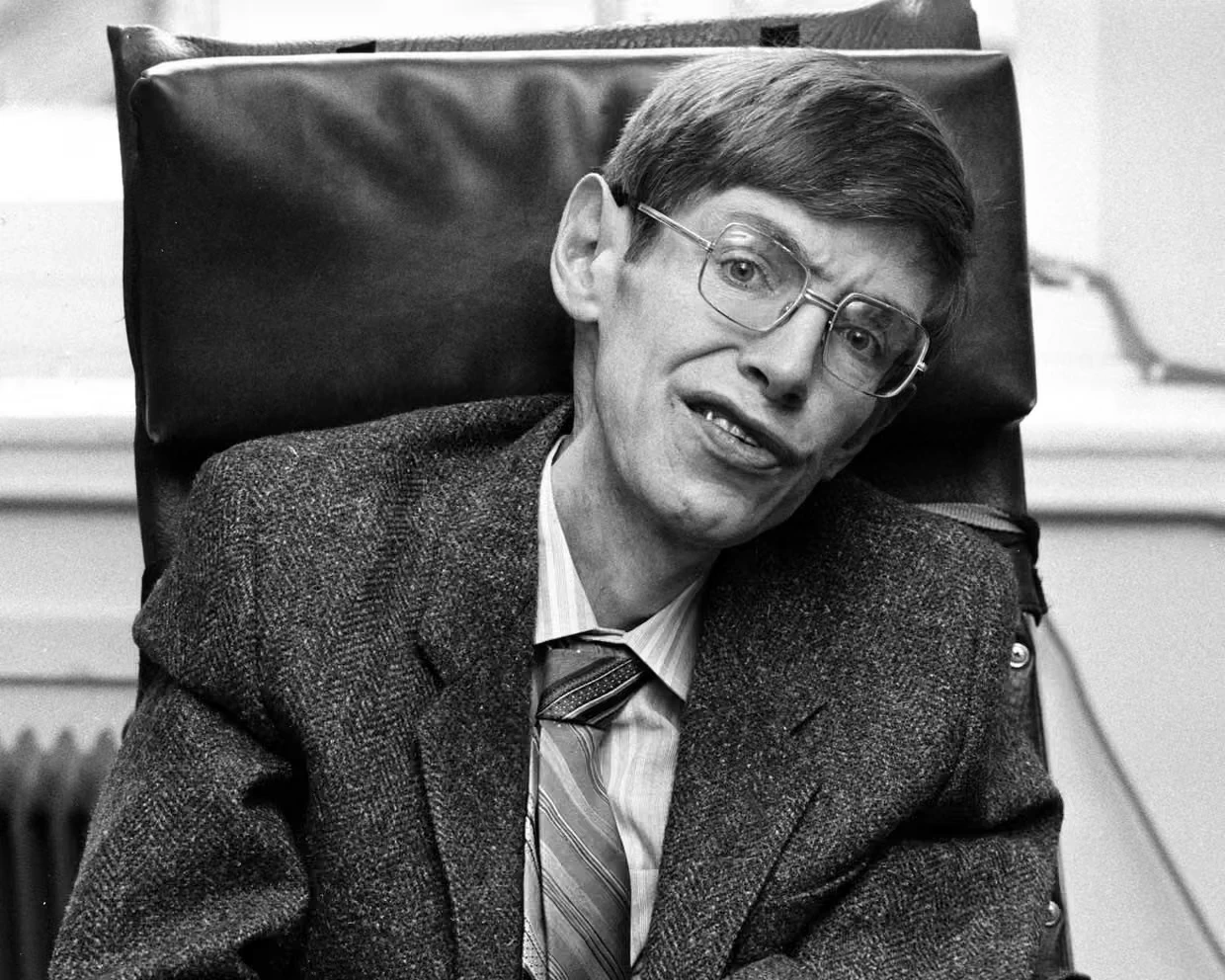
كشفت مذكرات خاصة وغير منشورة من قبل عن مخاوف عميقة راودت والد عالم الفيزياء الشهيرستيفن هوكينغ، خلال سنوات شبابه، إذ كان يعتقد أن ابنه يفتقر إلى الطموح والجدية، قبل أن يتحول لاحقاً إلى أحد أعظم العقول العلمية في العصر الحديث.
وتضمنت اليوميات، التي كتبها والد هوكينغ، الطبيب المتخصص في الأمراض الاستوائية فرانك هوكينغ، ملاحظات صريحة عبّر فيها عن قلقه من مستقبل ابنه أثناء دراسته الجامعية في أوائل الستينيات.
وكتب الأب في إحدى مذكراته عام 1961: «نحن قلقون قليلاً بشأن الطريقة التي يتطور بها ستيفن، يقضي وقته في المنزل بلا مبادرة حقيقية ولا يدرس كثيراً»، مضيفاً أنه شعر بأن ابنه فقد حماسه لدراسة الفيزياء في جامعة أكسفورد، وبدأ ينظر إليها باعتبارها أقل قيمة من التخصصات الأدبية.
وتظهر هذه اليوميات ضمن أوراق عائلية وصور خاصة حصل الكاتب وعالم الفيزياء غراهام فارميلو، على حق الاطلاع عليها للمرة الأولى، استعداداً لنشر أول سيرة ذاتية رسمية ومعتمدة عن حياة هوكينغ في سبتمبر المقبل.
وأوضح فارميلو أن المواد التي اطلع عليها تضمنت يوميات والد هوكينغ ورسائل ودفاتر والدته إيزوبيل، والتي كانت محفوظة لدى شقيقته ماري لسنوات طويلة.
ووصف الباحث تلك الوثائق بأنها «كنز معلوماتي نادر» يكشف تفاصيل دقيقة عن طفولة هوكينغ، وسنوات تكوين شخصيته، إضافة إلى الفترة القاسية التي أعقبت تشخيصه بمرض التصلب الجانبي الضموري عام 1963، عندما كان يبلغ 21 عاماً فقط.
وكان الأطباء قد توقعوا آنذاك ألا يعيش أكثر من عامين، إلا أن هوكينغ تحدى التوقعات الطبية وعاش حتى عام 2018، ليرحل عن عمر ناهز 76 عاماً بعد مسيرة علمية استثنائية جعلته رمزاً عالمياً في مجالات الفيزياء النظرية وعلم الكونيات.
واشتهر هوكينغ بأبحاثه الرائدة حول الثقوب السوداء وطبيعة الزمن والكون، كما حقق كتابه الشهير «تاريخ موجز للزمن» مبيعات تجاوزت 13 مليون نسخة حول العالم.
ورغم إصابته التدريجية بالشلل واعتماده على كرسي متحرك وجهاز إلكتروني للنطق، ظل هوكينغ مصدر إلهام للملايين، واشتهر بمقولته: «تذكروا دائماً أن تنظروا إلى النجوم لا إلى أقدامكم».
وكشفت المذكرات أيضاً معاناة والده النفسية في التعامل مع تدهور حالته الصحية، إذ كتب عام 1967: «الأمر بطيء ومؤلم للغاية مع ستيفن، الحديث معه صعب جداً بسبب بطء كلامه، وأنا أشعر بحزن شديد لأجله، لكنني لا أستمتع بوجودي معه».
وأشار فارميلو إلى أنه تمكن من فك الشفرة التي استخدمها فرانك هوكينغ في كتابة يومياته، التي اعتمدت على الحروف اليونانية لإخفاء محتواها، موضحاً أنه ترجم أكثر من 200 ألف كلمة تتناول طفولة ستيفن، ومرضه، وزيجاته، ومسيرته العلمية.
ومن المقرر أن تصدر السيرة الجديدة بعنوان «هوكينغ» في 24 سبتمبر المقبل عن دار النشر جون موراي، التي وصفت الكتاب بأنه «الصورة النهائية لحياة وعقل استثنائيين».
واعتمد المؤلف في إعداد السيرة على مقابلات موسعة مع أفراد عائلة هوكينغ، بينهم شقيقتاه ماري وفيليبا، وزوجته الأولى جين، وأبناؤه روبرت ولوسي وتيم.
Unpublished private diaries have revealed deep concerns that the father of the famous physicist Stephen Hawking had during his son’s youth, as he believed that his son lacked ambition and seriousness, before he later became one of the greatest scientific minds of modern times.
The diaries, written by Hawking’s father, the tropical disease specialist Frank Hawking, contained candid notes in which he expressed his worries about his son’s future during his university studies in the early 1960s.
The father wrote in one of his diaries in 1961: “We are a little worried about the way Stephen is developing; he spends his time at home with no real initiative and does not study much,” adding that he felt his son had lost his enthusiasm for studying physics at Oxford University and began to view it as less valuable than literary disciplines.
These diaries are part of family papers and private photos that writer and physicist Graham Farmelo has gained access to for the first time, in preparation for publishing the first official and authorized biography of Hawking next September.
Farmelo explained that the materials he reviewed included Hawking’s father’s diaries, letters, and notebooks from his mother, Isobel, which had been preserved by his sister Mary for many years.
The researcher described these documents as a “rare treasure trove of information” that reveals detailed insights into Hawking’s childhood, the years that shaped his personality, as well as the harsh period that followed his diagnosis with amyotrophic lateral sclerosis in 1963, when he was only 21 years old.
Doctors had predicted at that time that he would not live more than two years, but Hawking defied medical expectations and lived until 2018, passing away at the age of 76 after an extraordinary scientific career that made him a global icon in the fields of theoretical physics and cosmology.
Hawking was known for his pioneering research on black holes and the nature of time and the universe, and his famous book “A Brief History of Time” achieved sales of over 13 million copies worldwide.
Despite his gradual paralysis and reliance on a wheelchair and an electronic speech device, Hawking remained an inspiration to millions, famously stating: “Remember to look up at the stars and not down at your feet.”
The diaries also revealed his father’s psychological struggles in dealing with the deterioration of his health, as he wrote in 1967: “It’s very slow and painful with Stephen; talking to him is very difficult because of the slowness of his speech, and I feel very sad for him, but I do not enjoy being with him.”
Farmelo noted that he was able to decipher the code that Frank Hawking used to write his diaries, which relied on Greek letters to conceal their content, explaining that he translated more than 200,000 words covering Stephen’s childhood, his illness, his marriages, and his scientific career.
The new biography titled “Hawking” is set to be released on September 24 by John Murray Publishing, which described the book as “the definitive portrait of an extraordinary life and mind.”
The author relied on extensive interviews with members of the Hawking family, including his sisters Mary and Philippa, his first wife Jane, and his children Robert, Lucy, and Tim.