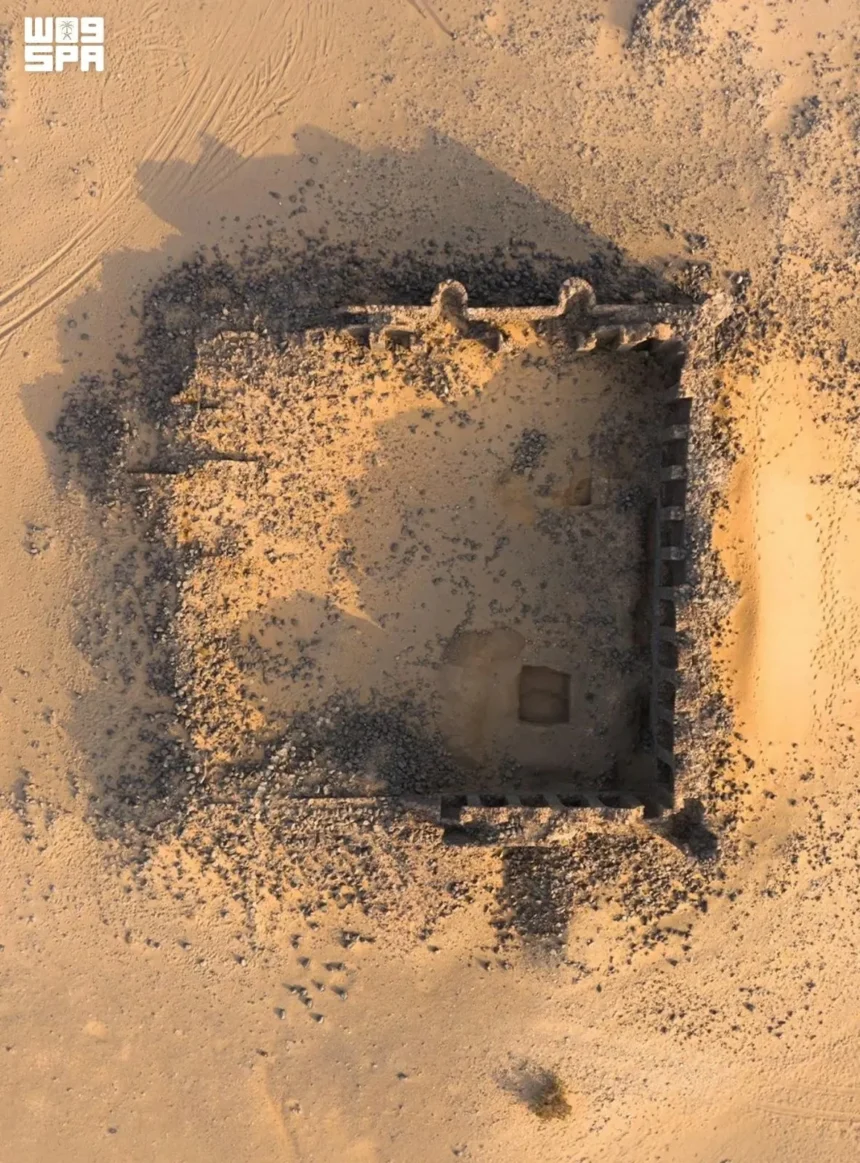
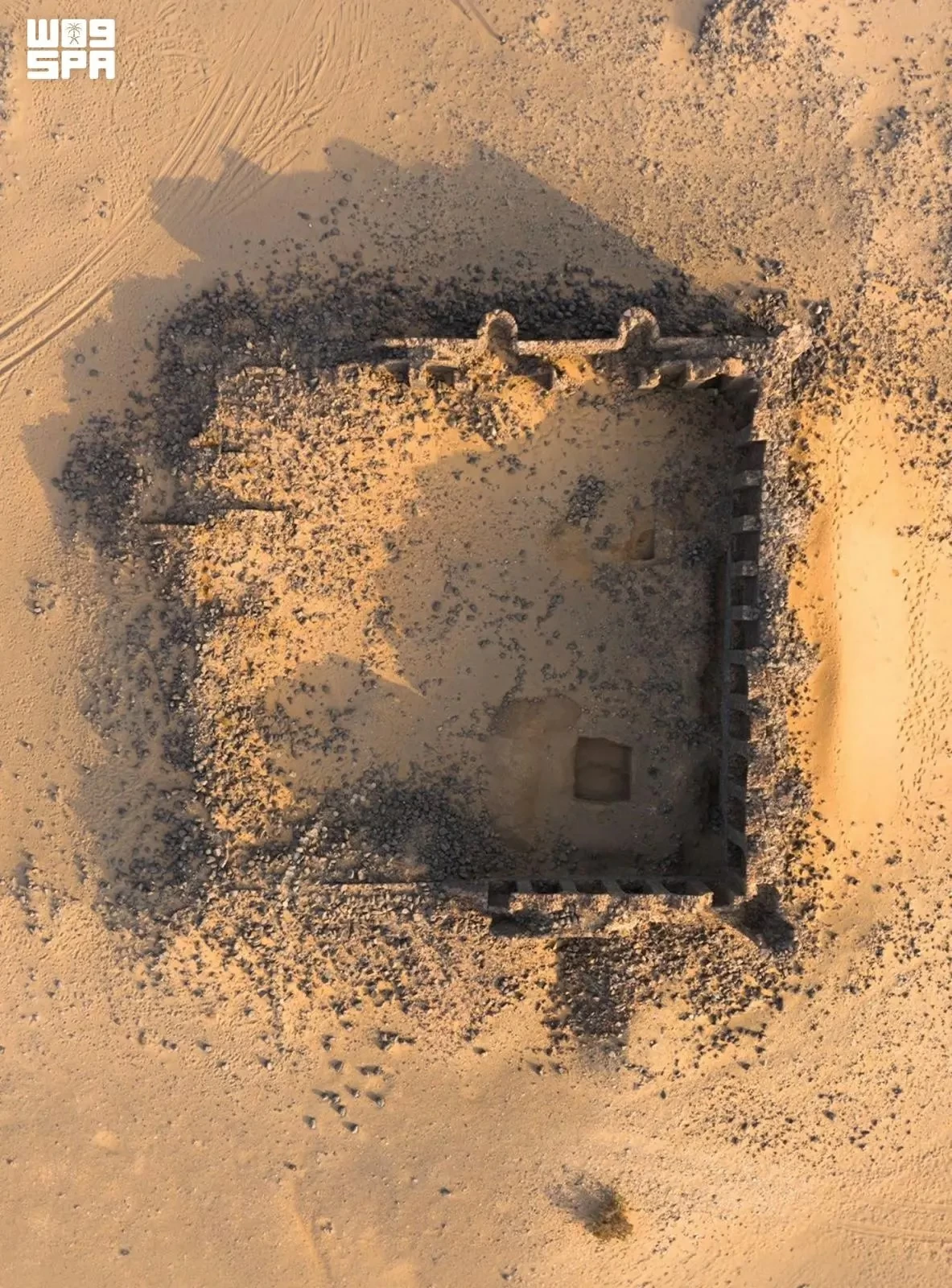
أنهت هيئة التراث الموسم الأول من أعمال المسح والتوثيق في ميقات الجحفة الأثري بالتعاون مع جامعة إكستر البريطانية، كاشفةً أكثر من 1700 أثر، تضمنت قطعًا فخارية، وزجاجية، وحجرية، وأصدافًا ومشغولات، وغيرها من الآثار التي أكدت أهمية المكان الواقع على طريق الحج المصري.
وأوضحت المكتشفات كِسَرًا متنوعة استُخدمت في شتى نواحي الحياة، مثل: الأصداف، والخرز، والمعادن، كما عُثر على ستةٍ من الأفران الفخارية، وكذلك قناة مائية يُرجح أنها كانت تخدم الحجاج والمسافرين في هذا الموقع، إلى جانب اكتشاف 13 شاهد قبر، منها ما يعود للعصر الأموي والعباسي.
وبيّنت الأعمال أن بعض المعثورات جاءت من مناطق مختلفة مثل: الشام، ومصر، والحبشة، مما يشير إلى توافد الحجاج من أنحاء العالم على هذا الميقات.
ويقع ميقات الجحفة على بعد 187 كيلومترًا شمال غربي مكة المكرمة، وهو من المواقيت الثابتة منذ الفترة الإسلامية المبكرة، وارتبط هذا الميقات بمرور النبي ﷺ خلال هجرته، كما تشير المصادر التاريخية إلى ازدهار الميقات في القرن الثاني للهجرة بمنشآت مائية ودكاكين لخدمة ضيوف الرحمن.
وتأتي أعمال المسح والتنقيب في ميقات الجحفة الأثري ضمن جهود هيئة التراث في حصر وتوثيق معالم المواقع الأثرية والتاريخية على درب الهجرة بين مكة المكرمة والمدينة المنورة، إضافة إلى تسريع وتيرة البحث العلمي في أعمال البحث والاستكشاف، وتقديم معطيات جديدة للعمق الحضاري للمملكة، والكشف عن التسلسل التاريخي والحضاري لهذه المواقع، وذلك باستخدام أفضل التقنيات المتقدمة في المسح والتوثيق، والتشخيص، ودراسة وتحليل المعثورات.
The Heritage Authority has completed the first season of surveying and documenting at the historic Miqat of Al-Juhfa in collaboration with the University of Exeter in the UK, revealing more than 1,700 artifacts, including pottery, glass, stone pieces, shells, and other artifacts that confirm the importance of the location on the Egyptian pilgrimage route.
The discoveries included various fragments used in different aspects of life, such as shells, beads, and metals. Six pottery kilns were found, as well as a water channel that is believed to have served pilgrims and travelers at this site, alongside the discovery of 13 tombstones, some of which date back to the Umayyad and Abbasid periods.
The work indicated that some of the artifacts came from different regions such as: the Levant, Egypt, and Abyssinia, which suggests that pilgrims from around the world frequented this miqat.
The Miqat of Al-Juhfa is located 187 kilometers northwest of Mecca, and it has been one of the fixed miqats since the early Islamic period. This miqat is associated with the Prophet’s ﷺ passage during his migration, and historical sources indicate the flourishing of the miqat in the second century of Hijra with water facilities and shops to serve the guests of الرحمن.
The surveying and excavation work at the historic Miqat of Al-Juhfa is part of the Heritage Authority’s efforts to catalog and document the features of archaeological and historical sites along the migration route between Mecca and Medina, in addition to accelerating the pace of scientific research in exploration and discovery, and providing new data on the cultural depth of the Kingdom, revealing the historical and cultural sequence of these sites, using the best advanced techniques in surveying, documentation, diagnosis, and studying and analyzing the artifacts.