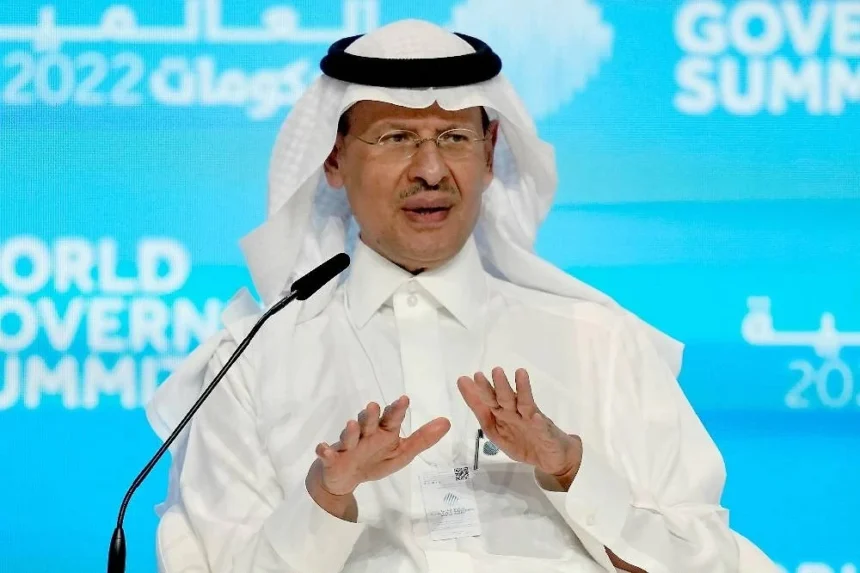
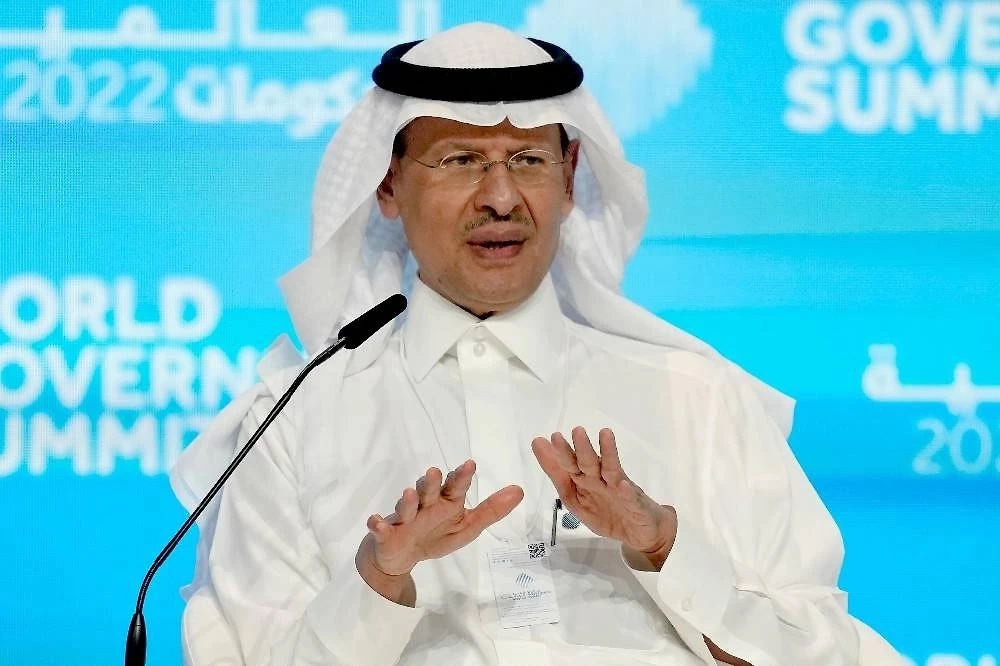
في عالم يموج بالأحداث المتسارعة والأزمات المتشابكة واختلاط الأوراق، حيث تتسابق الدول والقادة والمؤسسات إلى إطلاق التصريحات والبيانات والمواقف، تبرز أحياناً كلمات قليلة موجزة تحمل من المعاني البليغة وتعكس ما يفوق عشرات والمئات من الخطب والبيانات. ومن هذا المنطلق جاءت العبارة اللافتة التي أطلقها وزير الطاقة الأمير عبدالعزيز بن سلمان خلال مشاركته في منتدى سانت بطرسبرغ الاقتصادي الدولي، حين قال: «عندما يكون الصمت نوعاً من الكلام».
للوهلة الأولى تبدو العبارة بسيطة ومقتضبة، لكنها في الحقيقة تعكس فلسفة عميقة في إدارة الأزمات وصناعة القرار. فالصمت هنا ليس غياباً للموقف، وليس تردداً في اتخاذ القرار، بل هو تعبير عن الثقة بالنفس، والقدرة على قراءة المشهد بصورة أشمل وأعمق من الانجرار وراء ردود الفعل الآنية.
لقد جاءت هذه الكلمات في ظرف دولي بالغ التعقيد، حيث تعيش الساحة العالمية حالة من عدم اليقين السياسي والاقتصادي والأمني. الحروب والنزاعات الإقليمية، والتقلبات في أسواق الطاقة، والتنافس بين القوى الكبرى، جميعها تجعل من كل كلمة تصدر عن المسؤولين مادة للتحليل والتأويل. وفي مثل هذه الظروف، يصبح اختيار التوقيت المناسب للكلام جزءاً من الحكمة السياسية، كما يصبح الصمت المدروس أداة من أدوات التأثير.
ومن يعرف الأمير عبدالعزيز بن سلمان يدرك أن حضوره لا يقوم على العبارات الإنشائية أو الرسائل التقليدية، بل على مزيج نادر من المعرفة التقنية والخبرة السياسية والقدرة على قراءة التحولات الدولية. لذلك لم تكن العبارة مجرد تعليق عابر في جلسة حوارية، بل رسالة متعددة الأبعاد تعكس فهماً عميقاً لطبيعة المرحلة الراهنة.
ففي عالم يفيض بالضجيج الإعلامي، تكتسب الحكمة قيمة استثنائية. كثيرون يتحدثون، لكن القليل فقط يملكون القدرة على اختيار ما يجب قوله وما يجب تركه للزمن والوقائع. ومن هنا فإن الصمت يتحول أحياناً إلى لغة قائمة بذاتها، تحمل رسائل الثقة والاتزان والمسؤولية. وقد أثبتت التجارب أن القرارات الكبرى لا تُصنع تحت ضغط الانفعالات، وإنما في مساحات التأمل والهدوء والحسابات الدقيقة.
ولعل ما أضفى على العبارة مزيداً من الأهمية أنها صدرت عن مسؤول يقود أحد أهم الملفات الاستراتيجية في العالم، وهو ملف الطاقة. ففي أوقات الاضطراب الجيوسياسي تصبح الأسواق شديدة الحساسية تجاه التصريحات، وقد تؤدي كلمة واحدة إلى تحريك الأسعار أو تغيير توقعات المستثمرين. ولذلك فإن الصمت أحياناً يكون جزءاً من إدارة المشهد، وجزءاً من المحافظة على الاستقرار والثقة.
كما أن العبارة تعكس جانباً مهماً من المدرسة السعودية الحديثة في إدارة الملفات الكبرى، وهي مدرسة تقوم على العمل أكثر من الضجيج، وعلى النتائج أكثر من الشعارات. فالمملكة خلال السنوات الأخيرة قدمت نموذجاً واضحاً في التعامل مع التحديات الإقليمية والدولية عبر الدبلوماسية الهادئة، والحضور المؤثر، والقدرة على بناء التوافقات، دون الحاجة إلى المبالغة في الخطاب أو الانجرار إلى سجالات لا طائل منها.
ولهذا لم يكن مستغرباً أن تحظى العبارة باهتمام واسع داخل المنتدى وخارجه. فالكلمات الموجزة التي تحمل عمقاً فكرياً تبقى حاضرة في الأذهان أكثر من الخطب الطويلة. وقد نجح الأمير عبدالعزيز بن سلمان في أن يلخص بكلمات معدودة فلسفة كاملة في القيادة وصناعة القرار، مفادها أن الحكمة ليست في كثرة الحديث، بل في معرفة متى نتحدث، ومتى يكون الصمت أبلغ من الكلام.
وفي زمن الحروب والحيرة والتغيرات المتسارعة، تبدو هذه الرسالة أكثر أهمية من أي وقت مضى. فليس كل ما يُعرف يُقال، وليس كل موقف يحتاج إلى تعليق فوري، وليس كل ضجيج يستحق الاستجابة. أحياناً يكون الصمت موقفاً، وأحياناً يكون قوة، وأحياناً يكون أبلغ رسالة يمكن أن تُقال دون كلمات.
وهكذا تحولت عبارة واحدة إلى درس في القيادة والحكمة والاتزان، وإلى شاهد جديد على العمق الفكري الذي يتمتع به الأمير عبدالعزيز بن سلمان، وعلى قدرة المسؤول السعودي على مخاطبة العالم بلغة تجمع الحقيقة والواقع وأيضاً المجهول. ففي زمن الحروب والاضطرابات وتضارب الروايات، يصبح الصمت أحياناً موقفاً مدروساً، وحكمةً تتقدم على الانفعال، ورسالةً أبلغ من كثير من التصريحات.
وقد عكست هذه العبارة الثراء الفكري والعمق الاستراتيجي الذي يتمتع به، إذ أدرك الحضور أن القيادة الحقيقية لا تُقاس بكثرة الكلام، بل بقدرتها على اختيار اللحظة المناسبة للحديث، واللحظة الأجدى للصمت. لذلك جاءت العبارة لتدهش المنتدى، ليس فقط ببلاغتها، بل بما حملته من دلالات سياسية واقتصادية وإنسانية تتجاوز حدود المناسبة نفسها.
وفي عالم يزداد ضجيجاً وحيرةً، يبقى الصمت الحكيم أحياناً أكثر تأثيراً من آلاف الكلمات.
In a world teeming with rapid events, intertwined crises, and a mix of narratives, where countries, leaders, and institutions rush to issue statements, declarations, and positions, sometimes a few concise words emerge that carry profound meanings and reflect what surpasses dozens or hundreds of speeches and statements. From this perspective, the striking phrase uttered by Energy Minister Prince Abdulaziz bin Salman during his participation in the St. Petersburg International Economic Forum stands out, when he said: “When silence is a form of speech.”
At first glance, the phrase seems simple and succinct, but it actually reflects a deep philosophy in crisis management and decision-making. Here, silence is not an absence of position, nor is it hesitation in making a decision; rather, it is an expression of self-confidence and the ability to read the scene in a broader and deeper way than being swept away by immediate reactions.
These words came at a time of extreme international complexity, as the global arena experiences a state of political, economic, and security uncertainty. Wars and regional conflicts, fluctuations in energy markets, and competition among major powers make every word issued by officials a subject for analysis and interpretation. In such circumstances, choosing the right timing for speech becomes part of political wisdom, while deliberate silence becomes a tool of influence.
Those who know Prince Abdulaziz bin Salman understand that his presence is not based on rhetorical phrases or traditional messages, but on a rare blend of technical knowledge, political experience, and the ability to read international transformations. Therefore, the phrase was not just a passing comment in a dialogue session, but a multi-dimensional message reflecting a deep understanding of the nature of the current phase.
In a world overflowing with media noise, wisdom gains exceptional value. Many speak, but only a few have the ability to choose what should be said and what should be left to time and facts. Thus, silence sometimes transforms into a language of its own, carrying messages of confidence, balance, and responsibility. Experiences have proven that major decisions are not made under the pressure of emotions, but in spaces of contemplation, calmness, and precise calculations.
What adds further importance to the phrase is that it came from a leader who heads one of the most crucial strategic files in the world, which is the energy file. In times of geopolitical turmoil, markets become highly sensitive to statements, and a single word can move prices or change investor expectations. Therefore, silence can sometimes be part of managing the scene and part of maintaining stability and trust.
The phrase also reflects an important aspect of the modern Saudi school in managing major files, which is a school based on action more than noise, and on results more than slogans. In recent years, the Kingdom has presented a clear model in dealing with regional and international challenges through quiet diplomacy, impactful presence, and the ability to build consensus, without the need to exaggerate rhetoric or get dragged into futile debates.
Thus, it was not surprising that the phrase garnered wide attention both inside and outside the forum. Concise words that carry intellectual depth remain more present in minds than lengthy speeches. Prince Abdulaziz bin Salman succeeded in summarizing a complete philosophy of leadership and decision-making in a few words, conveying that wisdom is not in the abundance of talk, but in knowing when to speak and when silence is more eloquent than words.
In a time of wars, confusion, and rapid changes, this message seems more important than ever. Not everything that is known is said, not every position requires immediate commentary, and not every noise deserves a response. Sometimes silence is a position, sometimes it is a strength, and sometimes it is the most eloquent message that can be conveyed without words.
Thus, a single phrase transformed into a lesson in leadership, wisdom, and balance, and a new testament to the intellectual depth that Prince Abdulaziz bin Salman possesses, and to the ability of the Saudi official to address the world in a language that combines truth, reality, and also the unknown. In times of wars, disturbances, and conflicting narratives, silence sometimes becomes a deliberate position, wisdom that prevails over emotion, and a message more eloquent than many statements.
This phrase reflected the intellectual richness and strategic depth he possesses, as the audience realized that true leadership is not measured by the abundance of words, but by its ability to choose the right moment to speak and the most appropriate moment for silence. Therefore, the phrase astonished the forum, not only with its eloquence but also with the political, economic, and humanitarian implications it carried that transcend the occasion itself.
In a world that is becoming increasingly noisy and confused, wise silence sometimes remains more impactful than thousands of words.