


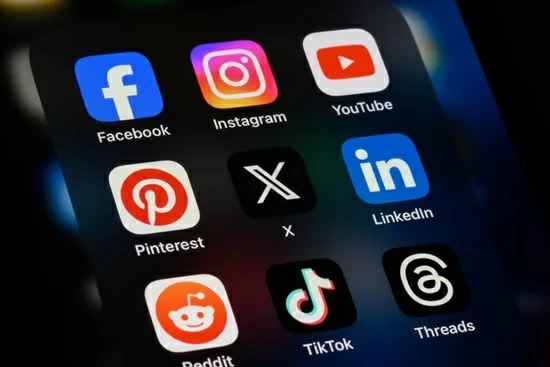
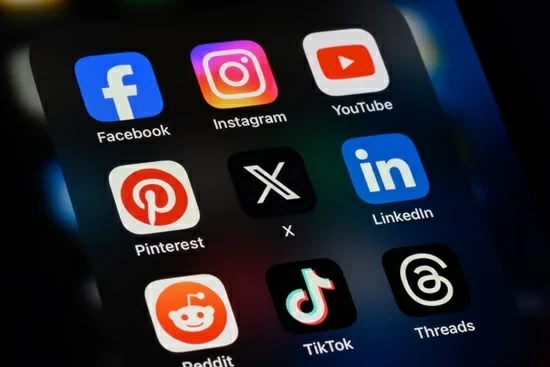
في انتفاضة رقمية غير متوقعة قلبت موازين سوق العمل العالمي، قرر أبناء «الجيل زد» (المولودون بين عامي 1997 و2012) إعلان التمرد على القنوات التقليدية للتوظيف وهجر منصة «لينكدإن» الشهيرة، بعدما تحولت الأخيرة في نظرهم إلى مستنقع للمبالغات والابتذال المؤسسي المصطنع، ليوجهوا بوصلتهم نحو «إنستغرام» و«تيك توك» كمنصات بديلة وعفوية لاقتناص وظائف الأحلام والوصول لمديري الشركات مباشرة.
هذا التحول الجذري جاء كإستراتيجية بقاء ذكية بعد تراجع معدلات التوظيف العالمي لأدنى مستوى في 5 أعوام، وقفز عدد المتقدمين لكل وظيفة بنسبة 30%، مما جعل السير الذاتية التقليدية بصيغة (PDF) مجرد أوراق ميتة تُلقى في ثقب أسود، وتتحطم على صخرة خوارزميات الفرز الآلي الصارمة (ATS) دون أن تراها عين بشرية.
كيف تحول إنستغرام إلى «لينكدإن الجديد»؟
الشباب لم يعودوا انتطار فتح باب التقديم، بل بدؤوا في «أنسنة» ملفاتهم المهنية مستغلين «اقتصاد الانتباه» عبر هاشتاقات شهيرة مثل (#HireMe) لفرض كفاءتهم بالصوت والصورة:
- إثبات الكفاءة الحي: بدلاً من كتابة جمل مستهلكة، بات المبرمج والمصمم والمسوق يصور مقطعاً قصيراً يشرح فيه خطوة بخطوة كيف حل معضلة تقنية معقدة أو حقق أرباحاً لشركة سابقة.
- اختراق البيروقراطية بالـ DM: نجح المئات في اقتناص وظائف مرموقة عبر رسائل مباشرة ذكية وخاطفة أرسلوها لحسابات مؤسسي الشركات والمديرين التنفيذيين على إنستغرام، متجاوزين بوابات الموارد البشرية المعقدة.
رغم السحر الإبداعي لهذا التحول، إلا أن خبراء قطاع التوظيف دقوا ناقوس الخطر حول مفهوم «العدالة المهنية»، إذ يهدد هذا التوجه بخلق سوق عمل سطحية تمنح الأولوية والرواتب الضخمة للشخصيات «الأكثر كاريزما وجماهيرية وتحدثاً أمام الكاميرا»، على حساب العقول العبقرية والانطوائية التي تمتلك عمقاً معرفياً وإنتاجياً هائلاً لكنها لا تجيد صناعة المحتوى الاستعراضي ومونتاج الفيديوهات.
ومع ذلك، يجمع المراقبون على أن الشركات التكنولوجية والإعلامية العملاقة بدأت بالفعل في تعديل بوصلتها وتدريب كشافي المواهب لديها على ملاحقة الوسوم الإبداعية في الفضاء البصري، فالقاعدة الذهبية باتت صريحة وقاسية: «إذا لم تكن مرئياً في 60 ثانية عبر شاشة الهاتف.. فأنت غير موجود في سوق العمل».
In an unexpected digital uprising that has overturned the balance of the global job market, members of “Generation Z” (born between 1997 and 2012) have decided to rebel against traditional hiring channels and abandon the famous “LinkedIn” platform, which they perceive as a swamp of exaggeration and artificial corporate banality, redirecting their focus towards “Instagram” and “TikTok” as alternative and spontaneous platforms to seize their dream jobs and connect directly with company managers.
This radical shift came as a smart survival strategy after global hiring rates dropped to their lowest level in five years, with the number of applicants for each job increasing by 30%, making traditional resumes in PDF format mere dead papers thrown into a black hole, crashing against the harsh rocks of strict Applicant Tracking System (ATS) algorithms without ever being seen by human eyes.
How Did Instagram Become the “New LinkedIn”?
Young people no longer wait for the application window to open; instead, they have begun to “humanize” their professional profiles by leveraging the “attention economy” through popular hashtags like (#HireMe) to showcase their skills in video format:
- Live competency proof: Instead of writing clichéd sentences, programmers, designers, and marketers now film short clips explaining step-by-step how they solved a complex technical problem or generated profits for a previous company.
- Breaking through bureaucracy via DM: Hundreds have successfully snagged prestigious jobs through clever and concise direct messages sent to the accounts of company founders and executives on Instagram, bypassing complex HR gates.
Despite the creative allure of this shift, employment sector experts have sounded the alarm about the concept of “professional equity,” as this trend threatens to create a superficial job market that prioritizes and offers hefty salaries to the “most charismatic, popular, and camera-friendly” personalities, at the expense of brilliant and introverted minds that possess immense knowledge and productivity but lack the skills to create flashy content and edit videos.
Nevertheless, observers agree that major tech and media companies have already begun to adjust their compass and train their talent scouts to chase creative hashtags in the visual space, as the golden rule has become clear and harsh: “If you are not visible within 60 seconds on a phone screen… you do not exist in the job market.”