

دوماً ما تعيّشنا «الساحرة المستديرة» أجواءها المليئة بالشغف والطموح والأمل والقصص الجميلة المنفردة بأدق تفاصيلها، فهي تحمل مشاهد قد تكون الأجمل من أي شيء بالعالم أجمع.
قد يظن الكثير أن كرة القدم تمنح المجد لفرد واحد فقط من أي عائلة، إلا أن «الساحرة المستديرة» تحمل لنا قصصاً وروايات عن أجيال وأجيال توارثت عشقها الكبير، فكم عشنا لحظات مع «أب» ورث «ابنه» الحلم لإكمال مسيرة والده وارتداء قميص النادي أو المنتخب الوطني ذاته، وواصل الركض داخل المستطيل الأخضر لتحقيق أمجاد وبطولات وتحقيق حلم مُنتظر.
في كل نسخة من مونديال كأس العالم تولد لنا القصص والحكايات، إذ يشاهد طفل والده يقاتل تحت أضواء المونديال، ثم بعد سنوات نرى ذلك الطفل نفسه وهو يرتدي القميص ذاته ويحمل الحلم نفسه.
ومع استمرار العد التنازلي لانطلاق كأس العالم 2026، يستعيد عالم كرة القدم واحدة من أكثر الظواهر الإنسانية دفئاً في تاريخ البطولة، وهي 27 ثنائياً من الآباء والأبناء شاركوا في كأس العالم كلاعبين، في مشهد نادر تتوارث فيه العائلات المجد الكروي جيلاً بعد جيل.
مالديني الصلب
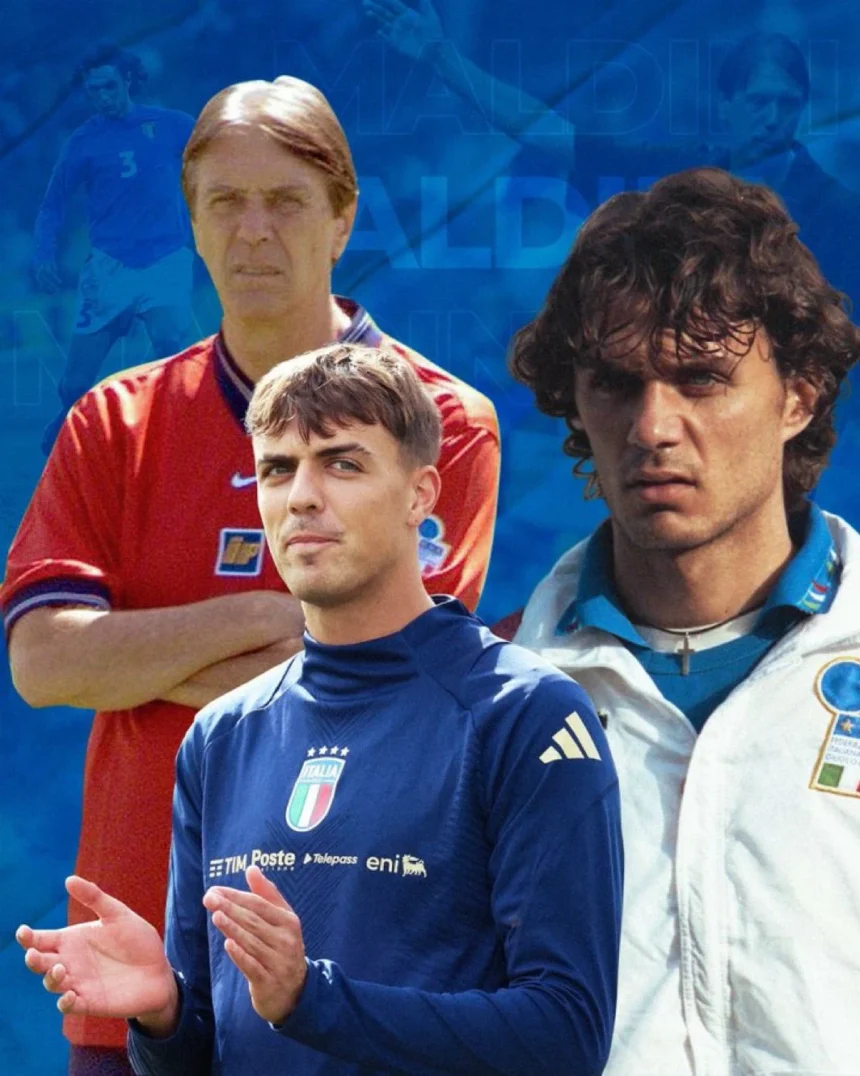
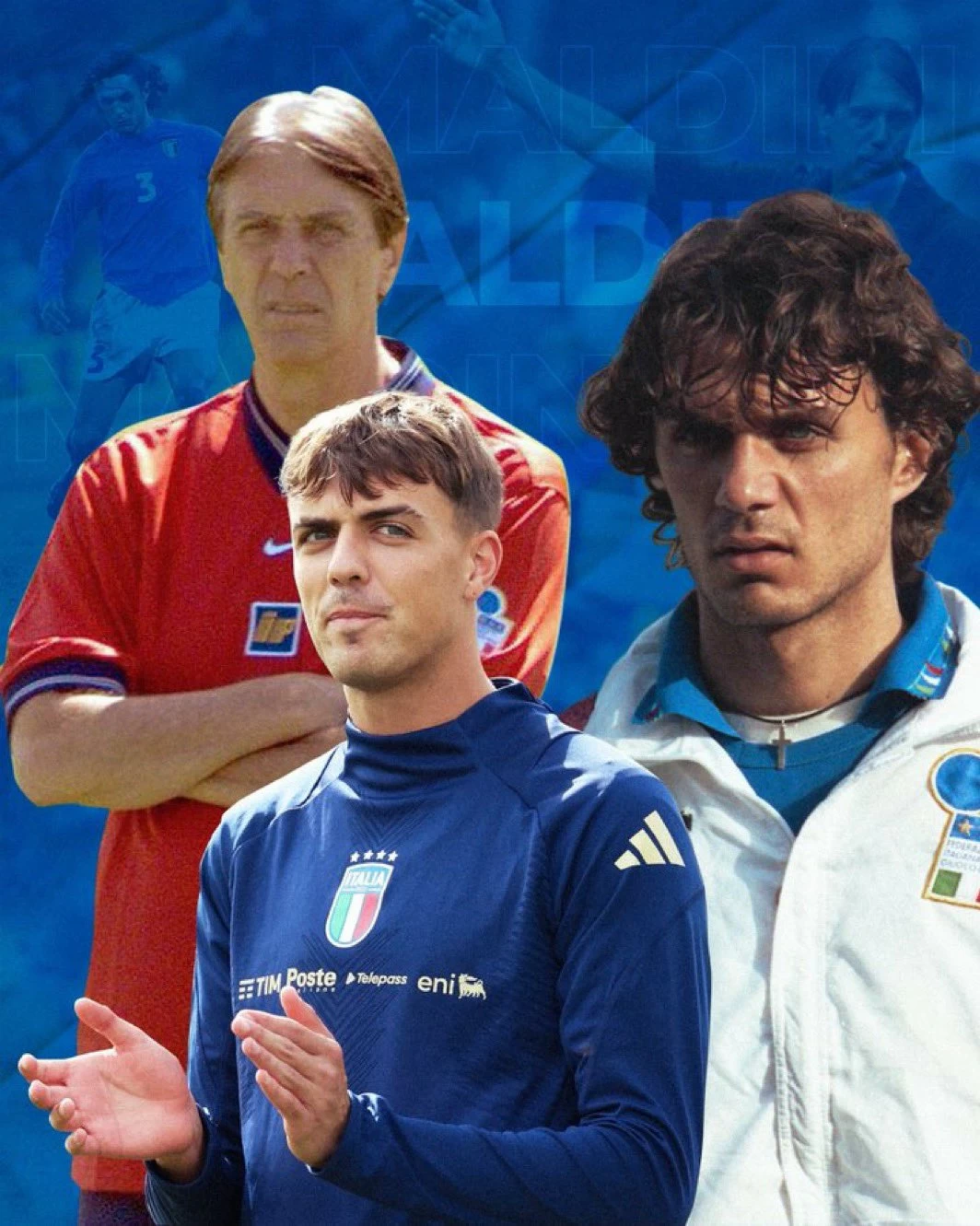
في إيطاليا كتب تشيزاري مالديني اسمه أولاً، قبل أن يأتي ابنه الأسطورة باولو مالديني ليحول اسم العائلة إلى رمز خالد في تاريخ خط الدفاع، مسجلاً نفسه نجماً خارقاً كما كان والده.
من فرنسا لأوروغواي
النجم الفرنسي يوري دجوركاييف حمل إرث والده جان دجوركاييف، بينما واصل دييغو فورلان المسيرة التي بدأها والده بابلو مع أوروغواي.
ألونسو وألكانتارا
وفي إسبانيا انتقلت الراية من ميغيل أنخيل إلى تشابي ألونسو، أحد أبرز عقول خط الوسط في جيله، بينما صنعت البرازيل قصة خاصة مع مازينيو وابنه تياغو ألكانتارا، الذي نشأ على إرث الكرة الجميلة.
القفاز الأمين
أما الدنمارك فشهدت انتقال القفازات من الأسطورة بيتر شمايكل إلى ابنه كاسبر، الذي وقف بعد سنوات طويلة في حراسة مرمى منتخب بلاده بالمونديال، وكأن الزمن يعيد نفسه بصورة جديدة.
رينا وتورام
وفي الولايات المتحدة الأمريكية ظهر جيوفاني رينا امتداداً لوالده كلاوديو رينا، بينما عاشت فرنسا واحدة من أكثر القصص تأثيراً مع ليليان تورام وابنه ماركوس، فالأب تُوّج بذهب مونديال 1998، فيما عاد الابن بعد 24 عاماً ليحمل فضية مونديال 2022، وكأن العائلة قررت أن تبقى حاضرة في أكبر مسرح كروي مهما تبدلت الأجيال.
الظاهرة المكسيكية
كانت البداية التاريخية لهذه الظاهرة مع المكسيكي لويس بيريز في نسخة أوروغواي 1930، قبل أن يسير ابنه ماريو بيريز على الدرب نفسه في مونديال البرازيل 1950، ليصبحا أول ثنائي «أب وابن» يشارك في كأس العالم.
كما شهدت البطولة قصة أخرى مع خوسيه فانتولرا، الذي مثل المكسيك في مونديال 1970، بعدما سبق والده مارتي فانتولرا إلى الظهور في النسخة الأولى عام 1930 بقميص إسبانيا.
The “round witch” always immerses us in its atmosphere filled with passion, ambition, hope, and beautiful stories that are unique in their finest details, as it carries scenes that may be the most beautiful of anything in the entire world.
Many may think that football grants glory to only one individual from any family, yet the “round witch” brings us stories and narratives about generations that have inherited its great love. How many moments have we lived with a “father” who passed his dream to his “son” to continue his father’s journey and wear the same club or national team jersey, continuing to run on the green rectangle to achieve glories, championships, and fulfill a long-awaited dream.
In every edition of the World Cup, stories and tales are born, as a child watches his father fighting under the World Cup lights, and then years later, we see that same child wearing the same jersey and carrying the same dream.
As the countdown to the 2026 World Cup continues, the world of football recalls one of the warmest human phenomena in the history of the tournament, which is 27 pairs of fathers and sons who participated in the World Cup as players, in a rare scene where families pass on football glory from generation to generation.
The Stalwart Maldini
In Italy, Cesare Maldini first wrote his name, before his son, the legend Paolo Maldini, came to turn the family name into an eternal symbol in the history of defense, marking himself as a superstar just like his father.
From France to Uruguay
French star Youri Djorkaeff carried the legacy of his father, Jean Djorkaeff, while Diego Forlán continued the journey that his father, Pablo, began with Uruguay.
Alonso and Alcântara
In Spain, the baton passed from Miguel Ángel to Xabi Alonso, one of the most prominent midfield minds of his generation, while Brazil created a special story with Mazinho and his son Thiago Alcântara, who grew up on the legacy of beautiful football.
The Trusty Glove
Denmark witnessed the transfer of gloves from the legend Peter Schmeichel to his son Kasper, who stood after many years guarding his country’s goal in the World Cup, as if time was repeating itself in a new form.
Reyna and Thuram
In the United States, Giovanni Reyna emerged as an extension of his father Claudio Reyna, while France experienced one of the most impactful stories with Lilian Thuram and his son Marcus. The father was crowned with gold at the 1998 World Cup, while the son returned after 24 years to carry the silver from the 2022 World Cup, as if the family decided to remain present on the biggest football stage no matter how generations changed.
The Mexican Phenomenon
The historical beginning of this phenomenon was with Mexican Luis Pérez in the 1930 Uruguay edition, before his son Mario Pérez followed the same path in the 1950 Brazil World Cup, becoming the first “father and son” duo to participate in the World Cup.
The tournament also witnessed another story with José Fantolra, who represented Mexico in the 1970 World Cup, after his father Marti Fantolra had previously appeared in the first edition in 1930 wearing the Spain jersey.