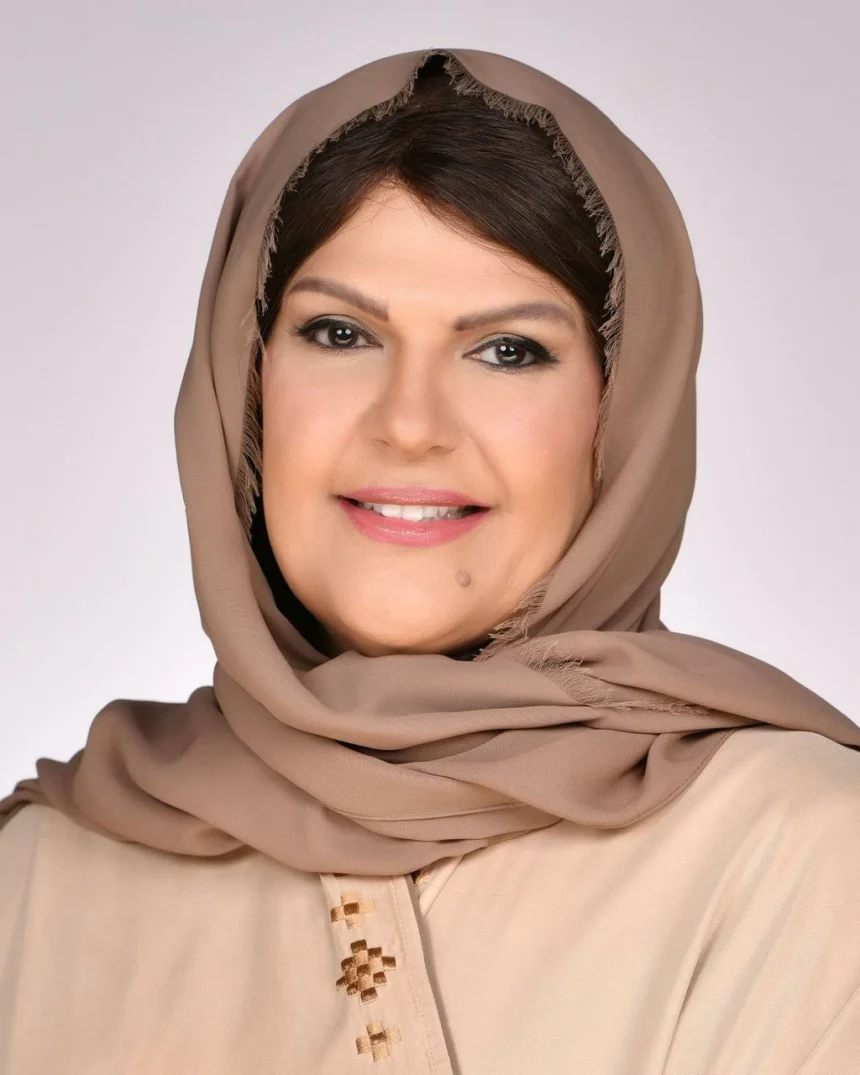
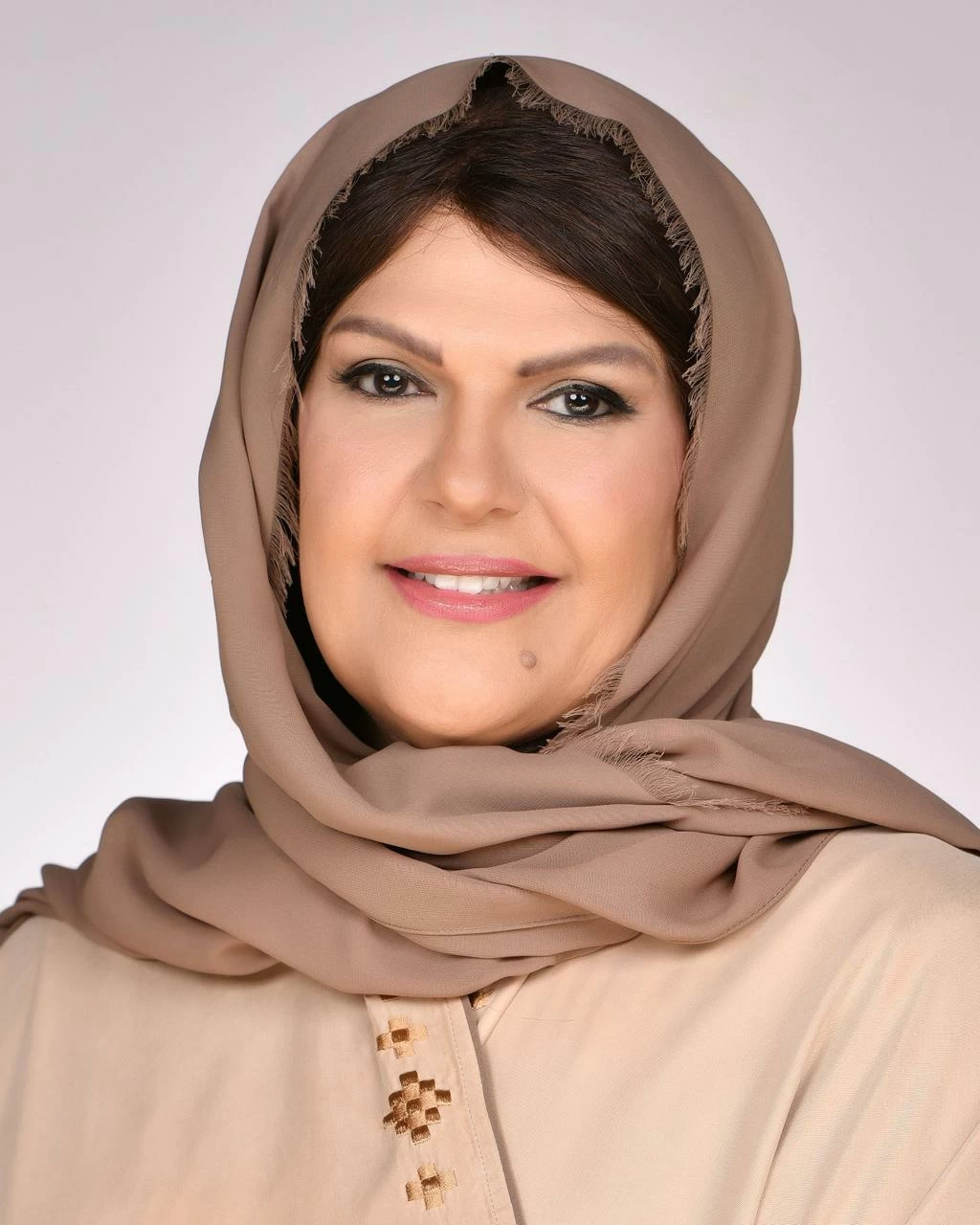
شددت عضو المجلس الدكتورة ريمة اليحيا أن كبار السن هم الفئة الأكثر احتياجاً للرعاية الصحية، وطالبت هيئة التأمين بتعزيز حماية حقوق المؤمن لهم. و حثت على دراسة التحديات التي تواجه كبار السن في الحصول على التغطيات التأمينية المناسبة ورفع مستوى الشفافية في الموافقات والتعويضات، مؤكدة أن نجاح القطاع يقاس بمدى انعكاس الجهود على حماية حقوق المستفيدين وتعزيز العدالة والشفافية.
وأوضحت الدكتورة اليحيا أن بعض كبار السن يواجهون تحديات في الحصول على تغطيات تأمينية مناسبة بسبب محدودية الخيارات المتاحة أو ارتفاع تكلفة الوثائق التأمينية، ما يحرمهم من الحماية التأمينية في المرحلة العمرية التي تزداد فيها الحاجات الصحية.
وأشارت عضو الشورى إلى أن الفئة العمرية من سن ٥٠ عاماً وما دون ذلك لا يجدون الحاجة لاستخدام تأمينهم الصحي، مؤكدة أهمية دراسة السبل الكفيلة بتعزيز وصول كبار السن إلى منتجات تأمينية مناسبة.
وأضافت أن بعض المؤمن لهم يواجهون صعوبات في اعتماد وصرف الوصفات الطبية، خصوصاً أدوية الأمراض المزمنة، إذ تتطلب بعض الحالات إجراءات إضافية أو موافقات متكررة. ولفتت إلى أن شركات التأمين تحدد أسعار بعض الخدمات ولا تغطي كامل الإجراء حتى مع وجود رصيد في بوليصة المراجع، ما يؤخر حصول المرضى على العلاج ويزيد الأعباء على الممارسين الصحيين.
وأشارت ريمة اليحيا إلى أن بعض المنشآت الصحية تشكو من تفاوت بين الموافقة المسبقة وقيمة التعويض الفعلية التي تحصل عليها من شركة التأمين، ما يؤثر في استدامة العلاقة التعاقدية بين شركات التأمين ومقدمي الخدمات الصحية. ودعت إلى تعزيز الشفافية والرقابة ورفع كفاءة القطاع بما ينسجم مع مستهدفات جودة الحياة والرعاية الصحية المستدامة، مضيفة أن التأمين بجوهره ليس منتجاً مالياً فحسب، بل أداة للحماية والأمان.
Dr. Reema Al-Yahya, a council member, emphasized that the elderly are the group most in need of healthcare, and she called on the insurance authority to enhance the protection of the rights of the insured. She urged the study of the challenges faced by the elderly in obtaining appropriate insurance coverage and to raise the level of transparency in approvals and compensations, confirming that the success of the sector is measured by how well efforts reflect on protecting the rights of beneficiaries and enhancing justice and transparency.
Dr. Al-Yahya explained that some elderly individuals face challenges in obtaining suitable insurance coverage due to limited available options or high costs of insurance policies, which deprives them of insurance protection at a stage in life where health needs increase.
The council member pointed out that the age group of 50 years and below does not find the need to use their health insurance, emphasizing the importance of studying ways to enhance the access of the elderly to suitable insurance products.
She added that some insured individuals face difficulties in approving and dispensing prescriptions, especially for chronic disease medications, as some cases require additional procedures or repeated approvals. She noted that insurance companies set prices for some services and do not cover the entire procedure even with a balance in the reference policy, which delays patients’ access to treatment and increases the burdens on healthcare practitioners.
Reema Al-Yahya pointed out that some healthcare facilities complain of discrepancies between pre-approval and the actual compensation value they receive from the insurance company, which affects the sustainability of the contractual relationship between insurance companies and healthcare providers. She called for enhancing transparency and oversight and improving the efficiency of the sector in line with the targets of quality of life and sustainable healthcare, adding that insurance, in essence, is not just a financial product, but a tool for protection and security.