

أكد رئيس الوزراء اليمني الدكتور شائع الزنداني أن حكومته ماضية في تنفيذ الإصلاحات المالية والإدارية، وتطوير منظومة الرقابة والمساءلة، وتوفير البيئة الملائمة لعمل الأجهزة الرقابية بما يمكنها من أداء مهماتها باستقلالية وكفاءة.
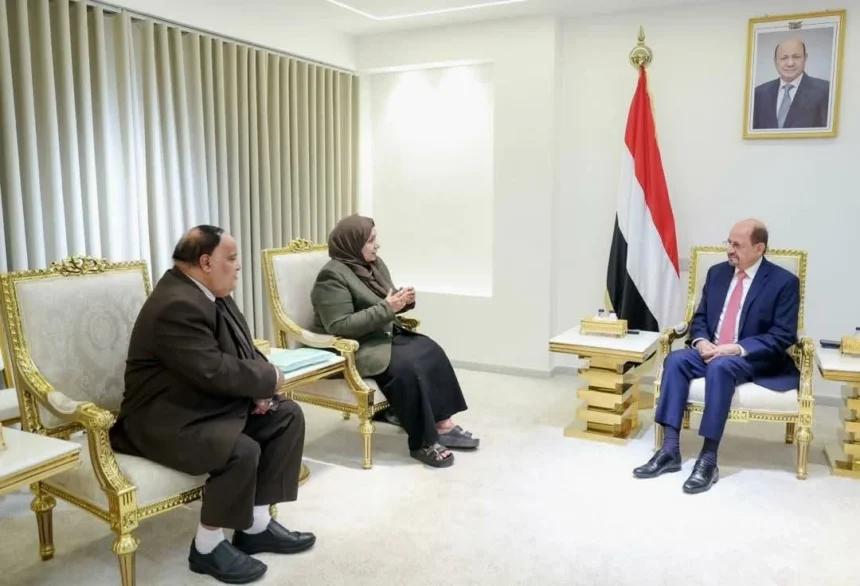
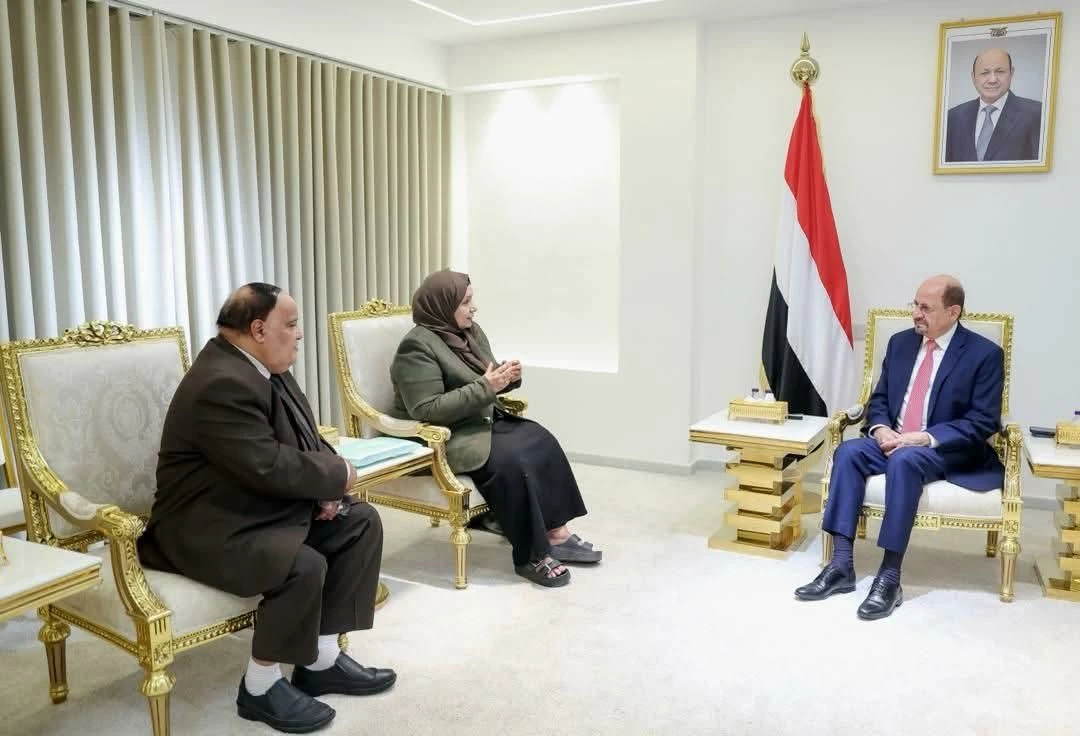
وأوضح خلال استقباله رئيسة الهيئة الوطنية العليا لمكافحة الفساد القاضية أفراح بادويلان، أن مكافحة الفساد تمثل أولوية وطنية ومسؤولية مشتركة تتطلب تكامل جهود جميع مؤسسات الدولة، مثمناً الدعم السعودي لليمن الذي مكن الحكومة اليمنية من مواصلة الإصلاحات.
وجرى خلال اللقاء بحث مستوى التنسيق والتعاون بين الحكومة والهيئة، والجهود المبذولة لتعزيز منظومة النزاهة الوطنية وتطوير آليات الوقاية من الفساد ومكافحته.
واطلع رئيس الوزراء من رئيسة الهيئة على سير أعمال الهيئة والبرامج والخطط التي تنفذها، والتحديات التي تواجهها، إلى جانب الإجراءات المتخذة في مجال تلقي البلاغات والشكاوى والتحري بشأنها، ومتابعة قضايا الفساد وفقاً للقانون، بما يعزز ثقة المواطنين بمؤسسات الدولة ويرسخ مبادئ الحكم الرشيد.
The Yemeni Prime Minister Dr. Sha’if Al-Zandani confirmed that his government is moving forward with implementing financial and administrative reforms, developing the oversight and accountability system, and providing a conducive environment for the work of oversight bodies, enabling them to perform their duties with independence and efficiency.
During his meeting with the Chairwoman of the National Anti-Corruption Commission, Judge Afrah Badwilan, he explained that combating corruption represents a national priority and a shared responsibility that requires the integration of efforts from all state institutions, appreciating the Saudi support for Yemen that has enabled the Yemeni government to continue its reforms.
During the meeting, they discussed the level of coordination and cooperation between the government and the commission, as well as the efforts made to enhance the national integrity system and develop mechanisms for preventing and combating corruption.
The Prime Minister was briefed by the Chairwoman on the progress of the commission’s work, the programs and plans being implemented, the challenges it faces, in addition to the measures taken in receiving reports and complaints and investigating them, and following up on corruption cases in accordance with the law, which enhances citizens’ trust in state institutions and solidifies the principles of good governance.