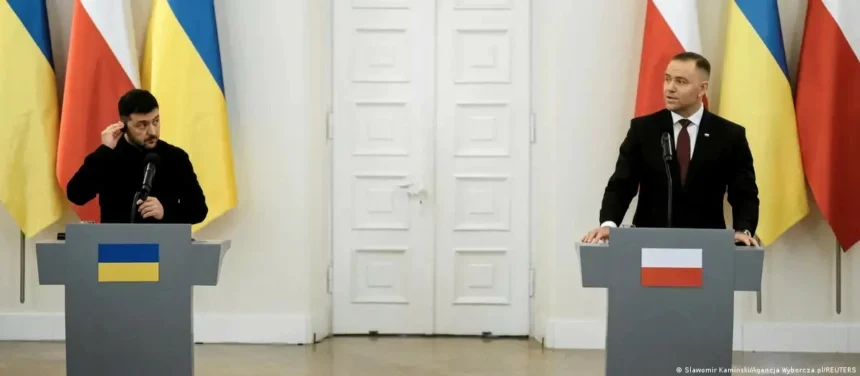
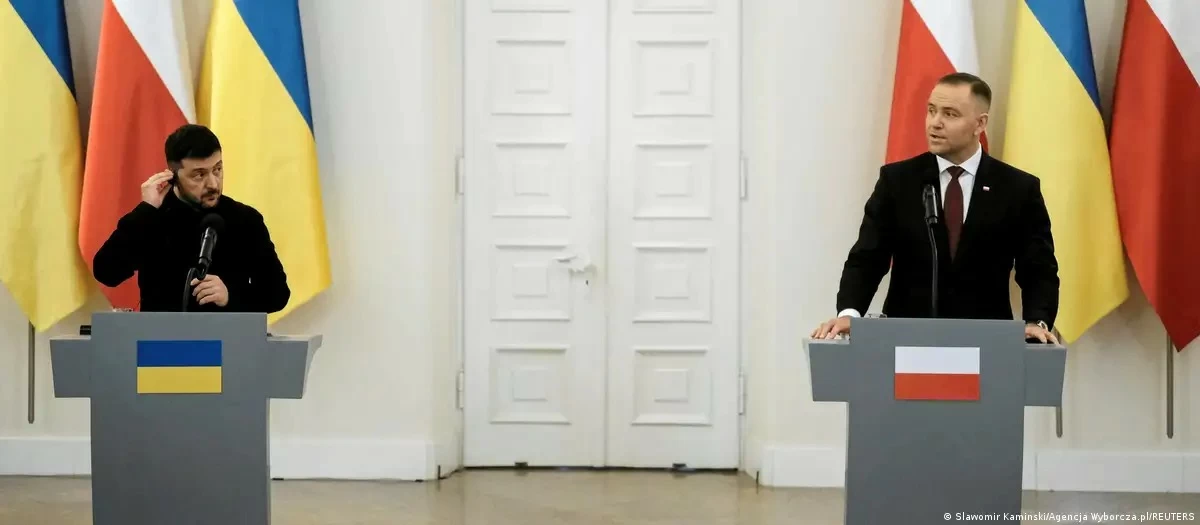
دخلت العلاقات بين بولندا وأوكرانيا مرحلة جديدة من التوتر بعد إعلان الرئيس البولندي سحب أعلى وسام وطني من الرئيس الأوكراني فولوديمير زيلينسكي؛ احتجاجاً على قرار أثار جدلاً واسعاً داخل بولندا يتعلق بإعادة إحياء اسم تاريخي يرتبط بأحداث دامية خلال الحرب العالمية الثانية.
وأعلن الرئيس البولندي كارول نافروتسكي قراره سحب «وسام النسر الأبيض» من زيلينسكي، وهو أعلى تكريم رسمي في البلاد، بعد موافقة الرئيس الأوكراني على إطلاق اسم «أبطال جيش التمرد الأوكراني» على إحدى وحدات القوات المسلحة الأوكرانية.
وقال نافروتسكي، في بيان رسمي، إن القرار يأتي اعتراضاً على منح هذا الاسم لوحدة عسكرية أوكرانية، مؤكداً في الوقت ذاته أن الخطوة لا تستهدف الشعب الأوكراني ولا تعني تغييراً في التوجه الاستراتيجي لبولندا الداعم لأمن أوكرانيا. ولم يصدر تعليق فوري من الرئاسة الأوكرانية على القرار.
خلاف تاريخي يتحوّل إلى أزمة سياسية
وتحمل تسمية «جيش التمرد الأوكراني» حساسية كبيرة داخل بولندا، إذ يرتبط هذا التشكيل القومي الأوكراني بأحداث تاريخية تعود إلى الفترة بين عامي 1943 و1945.
وتعتبر بولندا أن عناصر من الجيش شاركوا في مجازر فولينيا التي أسفرت، وفق الرواية البولندية، عن مقتل نحو 100 ألف بولندي، فيما تشير روايات تاريخية أيضاً إلى سقوط آلاف الأوكرانيين خلال عمليات انتقامية لاحقة.
في المقابل، ينظر قطاع من الأوكرانيين إلى الجيش باعتباره رمزاً للمقاومة ضد الاتحاد السوفيتي وألمانيا النازية، كما يعتبرونه جزءاً من تاريخ النضال من أجل استقلال أوكرانيا عن موسكو.
وكانت كييف قد أوضحت سابقاً أن اختيار الاسم جاء بناءً على رغبة جنود الوحدة العسكرية في تكريم تاريخ مواجهة النفوذ الروسي، وليس بهدف الإساءة إلى بولندا.
كييف تهاجم القرار وتحذّر من التصعيد
ورد وزير الخارجية الأوكراني أندريه سيبيها على الخطوة البولندية واصفاً القرار بأنه «خطأ استراتيجي».
وقال إن الجانب البولندي اختار تصعيد الخلاف بدلاً من البحث عن حلول، مضيفاً أن أوكرانيا ترفض أن يفرض أي رئيس دولة أخرى رؤيته على التاريخ الأوكراني.
ويأتي هذا التصعيد رغم استمرار بولندا واحدةً من أبرز الدول الداعمة لكييف منذ اندلاع الحرب مع روسيا، سواء سياسياً أو عسكرياً أو إنسانياً.
لكن العلاقات بين البلدين شهدت خلال السنوات الأخيرة توترات متزايدة نتيجة ملفات عدة، أبرزها تدفق اللاجئين الأوكرانيين، والخلافات التجارية حول واردات الحبوب، إضافة إلى استمرار الخلافات التاريخية المرتبطة بالحرب العالمية الثانية.
توسك يدعو إلى التهدئة
وفي محاولة لاحتواء الأزمة، دعا رئيس الوزراء البولندي دونالد توسك الرئيسين إلى خفض التوتر وتجنب تعميق الانقسام.
وقال إن أي خلاف بين بولندا وأوكرانيا يصب في مصلحة روسيا ويثير قلق الحلفاء، مؤكداً أن الأولوية يجب أن تبقى للملفات الأمنية المشتركة.
وكان الرئيس البولندي السابق أندريه دودا قد منح زيلينسكي «وسام النسر الأبيض» عام 2023 تقديراً لدوره في تعزيز العلاقات الثنائية ودعمه لقيم الديمقراطية والأمن والسلام في أوروبا.
لكن القرار الجديد يعكس حجم الحساسية التاريخية التي ما زالت تلقي بظلالها على العلاقات بين البلدين، رغم الشراكة الوثيقة التي فرضتها الحرب الدائرة في أوكرانيا.
The relations between Poland and Ukraine have entered a new phase of tension following the announcement by the Polish president to withdraw the highest national honor from Ukrainian President Volodymyr Zelensky; in protest against a decision that has sparked widespread controversy within Poland regarding the revival of a historical name associated with bloody events during World War II.
Polish President Karol Nawrocki announced his decision to withdraw the “Order of the White Eagle” from Zelensky, which is the highest official honor in the country, after the Ukrainian president agreed to name one of the units of the Ukrainian armed forces “Heroes of the Ukrainian Insurgent Army.”
Nawrocki stated in an official statement that the decision comes in objection to granting this name to a Ukrainian military unit, while also affirming that the move does not target the Ukrainian people and does not signify a change in Poland’s strategic direction supporting Ukraine’s security. No immediate comment was issued from the Ukrainian presidency regarding the decision.
A Historical Dispute Turns into a Political Crisis
The designation “Ukrainian Insurgent Army” carries significant sensitivity within Poland, as this Ukrainian nationalist formation is linked to historical events that occurred between 1943 and 1945.
Poland considers that elements of the army participated in the Volhynia massacres, which, according to the Polish narrative, resulted in the deaths of about 100,000 Poles, while historical accounts also indicate the loss of thousands of Ukrainians during subsequent retaliatory operations.
Conversely, a segment of Ukrainians views the army as a symbol of resistance against the Soviet Union and Nazi Germany, and they consider it part of the history of the struggle for Ukraine’s independence from Moscow.
Kyiv had previously clarified that the choice of name was based on the desire of the soldiers of the military unit to honor the history of confronting Russian influence, and not with the intention of offending Poland.
Kyiv Criticizes the Decision and Warns of Escalation
Ukrainian Foreign Minister Andriy Sybiha responded to the Polish move, describing the decision as a “strategic mistake.”
He stated that the Polish side chose to escalate the dispute instead of seeking solutions, adding that Ukraine refuses to allow any other head of state to impose their vision on Ukrainian history.
This escalation comes despite Poland remaining one of the most prominent supporters of Kyiv since the outbreak of the war with Russia, whether politically, militarily, or humanitarianly.
However, relations between the two countries have witnessed increasing tensions in recent years due to several issues, most notably the influx of Ukrainian refugees, trade disputes over grain imports, in addition to the ongoing historical disagreements related to World War II.
Tusk Calls for De-escalation
In an attempt to contain the crisis, Polish Prime Minister Donald Tusk urged both presidents to reduce tensions and avoid deepening the divide.
He stated that any dispute between Poland and Ukraine serves Russia’s interests and raises concerns among allies, emphasizing that the priority should remain on shared security issues.
Former Polish President Andrzej Duda had awarded Zelensky the “Order of the White Eagle” in 2023 in recognition of his role in enhancing bilateral relations and his support for the values of democracy, security, and peace in Europe.
However, the new decision reflects the extent of the historical sensitivity that still casts a shadow over relations between the two countries, despite the close partnership imposed by the ongoing war in Ukraine.