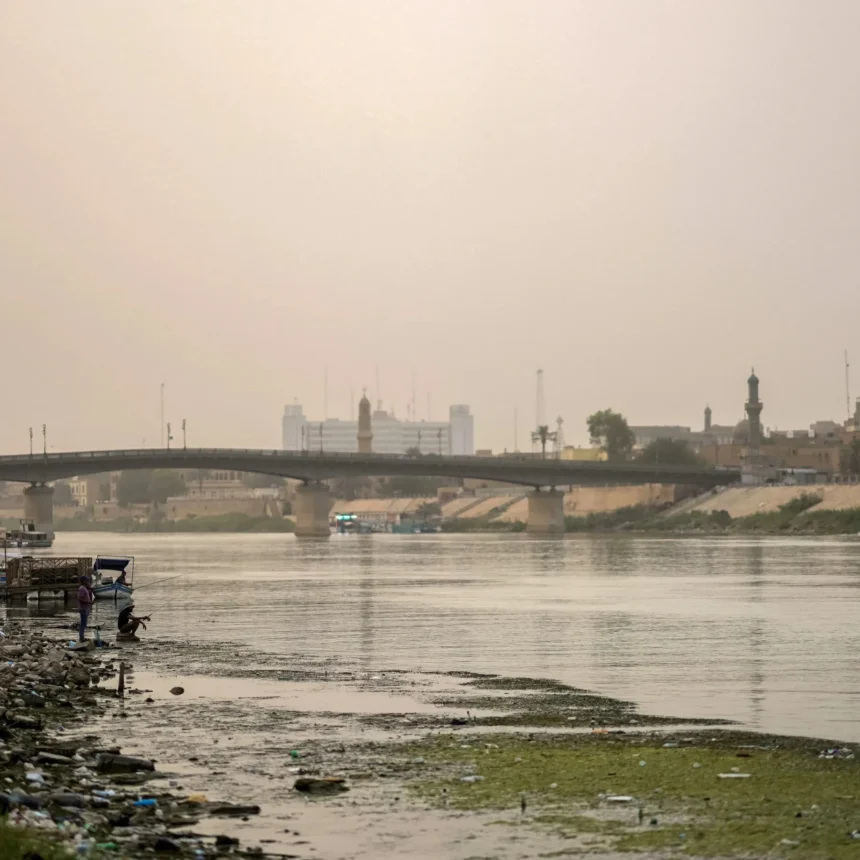
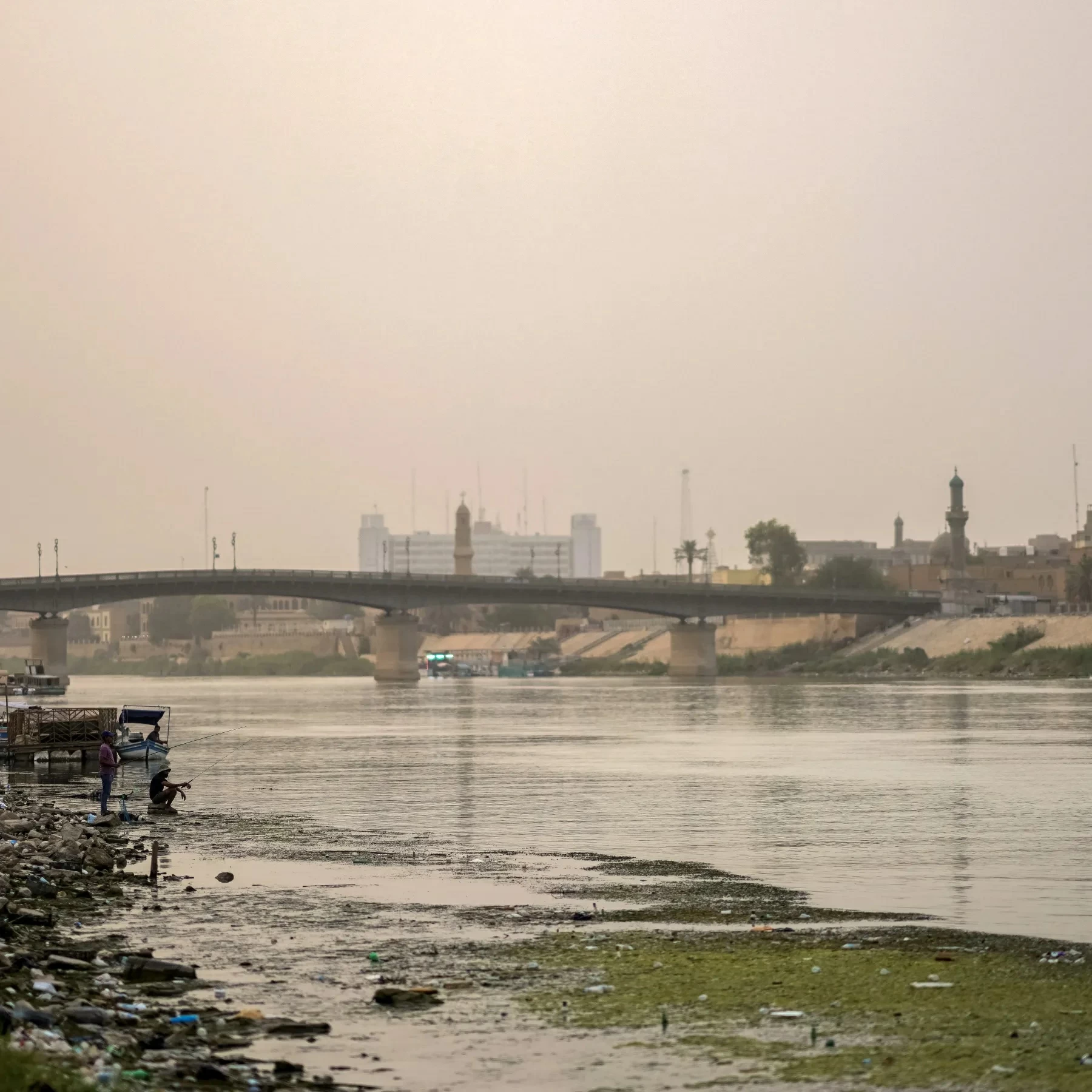
أثارت تصريحات وزيرة البيئة العراقية سروة عبد الواحد بشأن إلقاء مخلفات طبية غير معالجة في نهر دجلة جدلًا واسعًا، بعدما أشارت إلى احتمال احتواء بعضها على دماء مرضى مصابين بالإيدز.
وتداولت وسائل إعلام محلية مقطعًا من حديث الوزيرة عن مخاطر التلوث، ما دفع وزارتي البيئة والصحة إلى إصدار توضيحات بشأن المخلفات الطبية واحتمالات انتقال فيروس نقص المناعة البشرية.
وزارة البيئة توضح
أكدت وزارة البيئة أن تحذيرات الوزيرة تهدف إلى التنبيه إلى مخاطر تصريف المخلفات الطبية والمياه الملوثة غير المعالجة في النهر، مشددة على ضرورة الالتزام بالمعايير البيئية والصحية.
وأوضحت أن الربط بين تلوث المياه والأسماك وانتقال فيروس نقص المناعة البشرية لا يستند إلى الحقائق العلمية، مؤكدة أن الفيروس لا ينتقل عبر تناول الأسماك أو شرب المياه، وداعية وسائل الإعلام إلى تحري الدقة في نقل التصريحات.
وزارة الصحة تنفي انتقال الفيروس عبر المياه
من جانبها، أكدت وزارة الصحة أن الحديث عن انتقال فيروس نقص المناعة البشرية عبر المياه أو الأسماك يخالف الحقائق العلمية المعتمدة، مشيرة إلى أن المؤسسات الصحية تتبع آليات لمعالجة المخلفات السائلة والصلبة، وأن مياه الصرف الصحي تُنقل إلى محطات المعالجة وفق الإجراءات المعمول بها.
ويأتي هذا الجدل وسط تحذيرات بيئية سابقة من تلوث مصادر المياه في العراق، إذ نبه «مرصد العراق الأخضر» في يونيو الماضي إلى مخاطر تصريف مياه الصرف الصحي في الأنهار وتأثيراتها في صحة الإنسان والبيئة.
The statements made by Iraqi Environment Minister Sarwa Abdul Wahid regarding the dumping of untreated medical waste into the Tigris River have sparked widespread controversy, after she indicated that some of it might contain the blood of patients infected with AIDS.
Local media circulated a clip of the minister discussing the dangers of pollution, prompting the ministries of environment and health to issue clarifications regarding medical waste and the potential transmission of the HIV virus.
The Ministry of Environment Clarifies
The Ministry of Environment confirmed that the minister’s warnings aim to alert about the dangers of discharging medical waste and untreated contaminated water into the river, emphasizing the necessity of adhering to environmental and health standards.
It explained that the connection between water pollution, fish, and the transmission of the HIV virus is not based on scientific facts, asserting that the virus does not transmit through the consumption of fish or drinking water, and urging the media to be accurate in reporting statements.
The Ministry of Health Denies Virus Transmission Through Water
For its part, the Ministry of Health confirmed that the discussion about the transmission of the HIV virus through water or fish contradicts established scientific facts, noting that health institutions follow mechanisms for treating liquid and solid waste, and that sewage is transported to treatment plants according to established procedures.
This controversy comes amid previous environmental warnings about the pollution of water sources in Iraq, as the “Green Iraq Observatory” warned last June about the dangers of discharging sewage into rivers and its effects on human health and the environment.