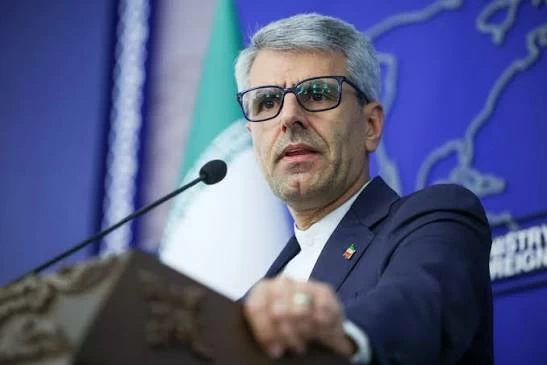
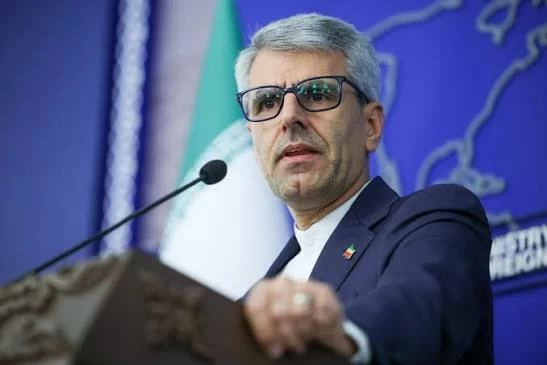
أعلن المتحدث باسم وزارة الخارجية الإيرانية إسماعيل بقائي أن طهران لا تزال تدرس الرد الأمريكي المتعلق باقتراح إعادة فتح مضيق هرمز، وسترد على واشنطن عبر الوسطاء عند الانتهاء من الدراسة.
وقال بقائي في مؤتمر صحفي، اليوم (الإثنين)، إن الأمن لن يعود إلى مضيق هرمز ما دامت واشنطن تصر على فرض الحصار البحري والحرب الاقتصادية. وأضاف أن قطر وباكستان تواصلان أداء دور الوساطة بين إيران والولايات المتحدة، مؤكداً أن قنوات تبادل الرسائل مع الولايات المتحدة لا تزال مستمرة.
وأشار بقائي إلى أن المقترحات الأمريكية لا تزال تتمحور بدرجة كبيرة حول الملف النووي، وأن طهران تراجع التفاصيل المطروحة وتعمل على تحديد موقفها من مسار التفاوض. وزعم بأن بلاده «قلقة بشدة» بعد اعتداءات مليشيا الحوثي على مطار الرياض ومناطق أخرى في السعودية.
وكان أمين المجلس الأعلى للأمن القومي الإيراني محسن رضائي قال إنّ إيران تعتبر أن الرد الأمريكي الأخير على اقتراح إنهاء الحرب غير كافٍ، مضيفاً أن بلاده لم تعد ترد على الولايات المتحدة، واعتبر أنّ على واشنطن توضيحَ بعض المسائل، كاشفاً أنّ واشنطن وافقت على بعض الشروط السبعة، بينما لا تزال شروط أخرى غير واضحة.
وهدد رضائي بأن طهران ستستهدف الكابلات ومراكز البيانات في المنطقة ومنشآت الذكاء الاصطناعي ومواقع أخرى في المنطقة، إذا اندلع قتال عنيف مجدداً. ورغم استمرار الاتصالات غير المباشرة بين واشنطن وطهران، لم تظهر مؤشرات مؤكدة على التوصل إلى اتفاق نهائي، فيما يبقى مستقبل مضيق هرمز أحد أبرز الملفات المؤثرة في أمن المنطقة وحركة التجارة وإمدادات الطاقة العالمية.
The spokesperson for the Iranian Foreign Ministry, Ismail Baqaei, announced that Tehran is still studying the U.S. response regarding the proposal to reopen the Strait of Hormuz, and will respond to Washington through intermediaries once the study is completed.
Baqaei stated at a press conference today (Monday) that security will not return to the Strait of Hormuz as long as Washington insists on imposing maritime blockade and economic warfare. He added that Qatar and Pakistan continue to play a mediating role between Iran and the United States, emphasizing that channels for exchanging messages with the U.S. are still ongoing.
Baqaei pointed out that the U.S. proposals are still largely centered around the nuclear file, and that Tehran is reviewing the details presented and working to determine its position on the negotiation process. He claimed that his country is “deeply concerned” following the Houthi militia’s attacks on Riyadh airport and other areas in Saudi Arabia.
The Secretary of the Supreme National Security Council of Iran, Mohsen Rezaei, stated that Iran considers the recent U.S. response to the proposal to end the war insufficient, adding that his country no longer responds to the United States, and believes that Washington needs to clarify some issues, revealing that Washington has agreed to some of the seven conditions, while other conditions remain unclear.
Rezaei threatened that Tehran would target cables, data centers in the region, artificial intelligence facilities, and other sites if violent fighting breaks out again. Despite the ongoing indirect communications between Washington and Tehran, there have been no confirmed signs of reaching a final agreement, while the future of the Strait of Hormuz remains one of the most significant issues affecting regional security, trade movement, and global energy supplies.