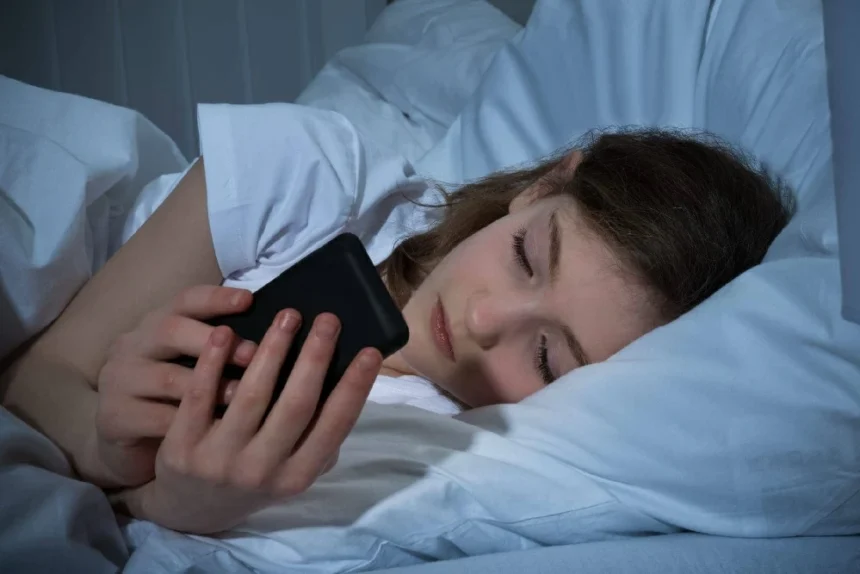
كشفت أبحاث علمية عن آثار سلبية مرتبطة باستخدام الهواتف والأجهزة المضيئة أثناء الاستلقاء في السرير قبل النوم، مؤكدة أن هذه العادة قد تؤخر الخلود للنوم، وتؤثر في الساعة البيولوجية للجسم، كما قد تتسبب في اضطرابات مؤقتة بالرؤية لدى بعض الأشخاص.
واستندت النتائج إلى دراسة سريرية أجريت في الولايات المتحدة، إضافة إلى ملاحظات طبية رصدت حالات ضعف بصري مؤقت ارتبطت باستخدام الهواتف الذكية في غرف معتمة أثناء الاستلقاء.
وأظهرت الدراسة، التي شملت مجموعة من البالغين الأصحاء، أن التعرض للضوء المنبعث من الأجهزة الإلكترونية لساعات قبل النوم يؤدي إلى انخفاض إفراز هرمون الميلاتونين المسؤول عن تنظيم النوم، كما يؤخر توقيت إفرازه الطبيعي ويزيد من الوقت اللازم للخلود إلى النوم مقارنة بقراءة الكتب الورقية.
كما لاحظ الباحثون تراجعًا في بعض مراحل النوم العميق، إلى جانب شعور المشاركين بنعاس أكبر في صباح اليوم التالي، رغم عدم تسجيل فروق كبيرة في إجمالي ساعات النوم.
ورجحت الدراسة أن يكون الضوء الأزرق المنبعث من الشاشات أحد العوامل المؤثرة في هذه التغيرات، لما له من تأثير مباشر على الإشارات البيولوجية المرتبطة بدورات النوم والاستيقاظ.
وفي جانب آخر، وثّقت تقارير طبية حالتين لامرأتين عانتا ضعفًا مؤقتًا ومتكررًا في الرؤية بعين واحدة بعد استخدام الهاتف في الظلام أثناء الاستلقاء، قبل أن تكشف الفحوصات عدم وجود أي مشكلات عضوية.
وأوضح الباحثون أن هذه الظاهرة تنتج عن تكيف إحدى العينين مع ضوء الشاشة بينما تبقى العين الأخرى متكيفة مع الظلام، ما يسبب فارقًا مؤقتًا في القدرة البصرية يختفي بعد دقائق من التوقف عن النظر إلى الشاشة.
وأكد فريق البحث أن فهم هذه الحالة يساعد على تجنب القلق غير المبرر والفحوصات الطبية غير الضرورية، متوقعين زيادة ظهور مثل هذه الحالات مع التوسع المستمر في استخدام الهواتف الذكية وارتفاع سطوع الشاشات.
Scientific research has revealed negative effects associated with the use of phones and illuminated devices while lying in bed before sleep, confirming that this habit may delay falling asleep, affect the body’s biological clock, and may cause temporary vision disturbances in some individuals.
The results were based on a clinical study conducted in the United States, in addition to medical observations that recorded cases of temporary visual impairment linked to the use of smartphones in dark rooms while lying down.
The study, which included a group of healthy adults, showed that exposure to light emitted from electronic devices for hours before sleep leads to a decrease in the secretion of melatonin, the hormone responsible for regulating sleep, as well as delaying its natural secretion timing and increasing the time needed to fall asleep compared to reading printed books.
Researchers also noted a decline in some stages of deep sleep, along with participants feeling sleepier the following morning, despite no significant differences recorded in total sleep hours.
The study suggested that the blue light emitted from screens might be one of the factors influencing these changes, due to its direct effect on biological signals associated with sleep and wake cycles.
In another aspect, medical reports documented two cases of women who experienced temporary and recurrent vision impairment in one eye after using their phones in the dark while lying down, before examinations revealed no organic problems.
Researchers explained that this phenomenon results from one eye adapting to the screen light while the other remains adapted to the darkness, causing a temporary difference in visual ability that disappears after a few minutes of stopping looking at the screen.
The research team emphasized that understanding this condition helps avoid unnecessary anxiety and unnecessary medical examinations, anticipating an increase in the occurrence of such cases with the ongoing expansion of smartphone use and the rising brightness of screens.