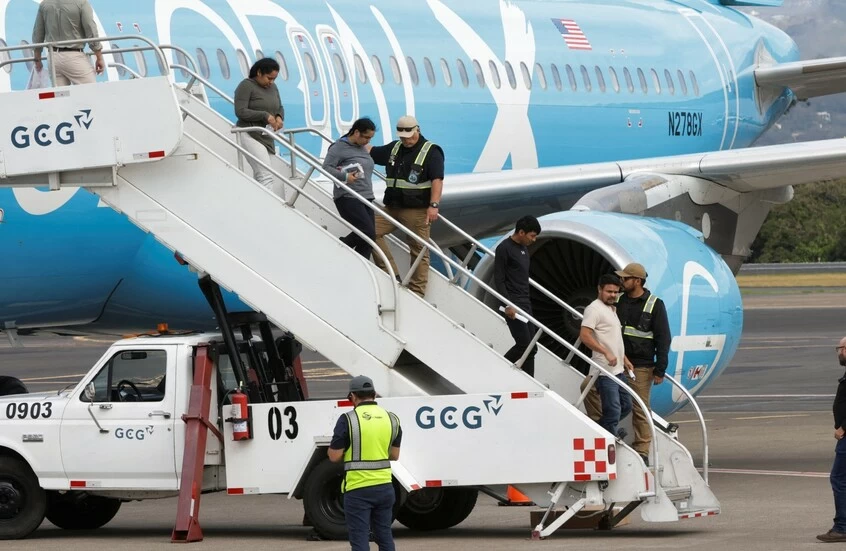
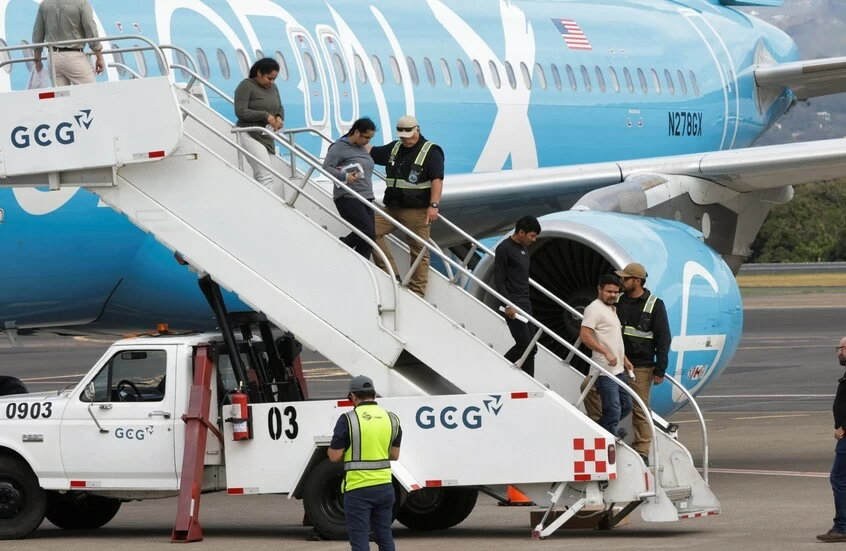
وصلت إلى جامايكا أول مجموعة من المهاجرين من جنسيات غير جامايكية، جرى نقلهم من الولايات المتحدة، في خطوة تدشن تنفيذ اتفاق ثنائي مثير للجدل، ضمن مساعي إدارة الرئيس الأمريكي دونالد ترمب لتوسيع نطاق عمليات الترحيل خارج الحدود الأمريكية.
وضمت المجموعة 22 مهاجرا، بينهم سبع نساء، وجميعهم من البالغين، إذ وصلوا بعد ظهر (الثلاثاء) إلى مطار نورمان مانلي الدولي في العاصمة كينغستون، حيث استُكملت إجراءات وصولهم سريعاً قبل نقلهم بحافلة ترافقها الشرطة إلى موقع لم تعلن السلطات عنه، فيما لم يُسمح لوسائل الإعلام بالوصول إليهم.
وأكدت السلطات الجامايكية أن العملية تأتي في إطار ترتيبات تهدف إلى ضمان تنفيذ الاتفاق بصورة «آمنة ومنظمة وقانونية»، مشيرة إلى أن وجود هؤلاء المهاجرين في البلاد يندرج ضمن إجراءات عبور مؤقتة، تمهيداً لإعادتهم إلى بلدانهم الأصلية أو نقلهم إلى دول أخرى تستقبلهم.
ويمثل وصول المجموعة أول تطبيق عملي لمذكرة تفاهم وقعتها جامايكا والولايات المتحدة في 10 يونيو الماضي، بعد الانتهاء من الإجراءات التنفيذية اللازمة، والاستعانة بالمنظمة الدولية للهجرة لتقديم الدعم للمهاجرين خلال إقامتهم المؤقتة وتسهيل انتقالهم إلى وجهاتهم النهائية.
وبموجب الترتيبات المعلنة، لن يتجاوز عدد الأشخاص الذين تستقبلهم جامايكا 25 شخصاً كل أسبوعين، فيما أكدت الحكومة أن البرنامج لن يُموّل من الميزانية الجامايكية، وأن الأشخاص الذين لديهم سوابق جنائية لن يُسمح لهم بالعبور بموجب الاتفاق، كما ينص التفاهم على إمكانية تعليق البرنامج إذا تقدم عشرة مهاجرين بطلبات لجوء أو طلبات إنسانية للبقاء في البلاد.
وتأتي الخطوة في سياق توسع إدارة ترمب في استخدام ترتيبات مع دول ثالثة لنقل مهاجرين لا يحملون جنسية الدول المستقبلة، بدلاً من إعادتهم مباشرة إلى بلدانهم الأصلية، حيث شملت هذه السياسة دولاً في أفريقيا وأمريكا اللاتينية، من بينها ليبيريا وإسواتيني وباراغواي، وسط خلافات بشأن الأساس القانوني لهذه الإجراءات والضمانات المتاحة للأشخاص المرحّلين.
وتستند الإدارة الأمريكية إلى هذه الترتيبات في إطار تشديد إنفاذ قوانين الهجرة، بينما يثير نقل أشخاص إلى دول لا تربطهم بها بالضرورة صلات سابقة تساؤلات قانونية وإنسانية، خصوصاً بشأن حقهم في الاعتراض على وجهة الترحيل، وإمكانية تعرضهم للاضطهاد أو التعذيب إذا أُعيدوا لاحقاً إلى بلدانهم الأصلية.
وكانت المحكمة العليا الأمريكية قد سمحت، في 29 سبتمبر الماضي، للإدارة باستئناف عمليات الترحيل إلى دول ثالثة دون إخطار مسبق في الحالات التي تناولها النزاع القضائي، ووافقت على نظر القضية في وقت لاحق، حيث يتركز جانب أساسي من الخلاف على مدى التزام السلطات بالإجراءات القانونية الواجبة، وإتاحة الفرصة للمهاجرين لعرض مخاوفهم من التعرض للاضطهاد أو التعذيب قبل نقلهم إلى دولة أخرى.
وفي جامايكا، أثار الاتفاق انتقادات من شخصيات في المعارضة طالبت بمزيد من الشفافية بشأن بنوده وتداعياته الأمنية والاقتصادية، متسائلة عن أسباب عدم طرحه للنقاش العام بصورة أوسع. وفي المقابل، تؤكد الحكومة أن الترتيبات تقتصر على العبور المؤقت، وأنها وضعت ضوابط لتنظيم العملية بالتنسيق مع واشنطن والمنظمة الدولية للهجرة.
The first group of migrants from non-Jamaican nationalities arrived in Jamaica, having been transported from the United States, in a move that marks the implementation of a controversial bilateral agreement, part of the efforts of President Donald Trump’s administration to expand deportation operations beyond U.S. borders.
The group included 22 migrants, among them seven women, all of whom are adults. They arrived on Tuesday afternoon at Norman Manley International Airport in the capital, Kingston, where their arrival procedures were completed quickly before being transported by a police-escorted bus to a location not disclosed by the authorities, while the media was not allowed access to them.
Jamaican authorities confirmed that the operation is part of arrangements aimed at ensuring the agreement is implemented in a “safe, organized, and legal” manner, noting that the presence of these migrants in the country falls under temporary transit procedures, in preparation for their return to their home countries or transfer to other receiving countries.
The arrival of the group represents the first practical application of a memorandum of understanding signed by Jamaica and the United States on June 10, following the completion of necessary implementation procedures, and utilizing the International Organization for Migration to provide support to the migrants during their temporary stay and facilitate their transition to their final destinations.
Under the announced arrangements, the number of individuals that Jamaica will receive will not exceed 25 people every two weeks, while the government confirmed that the program will not be funded from the Jamaican budget, and individuals with criminal records will not be allowed to transit under the agreement. The understanding also stipulates the possibility of suspending the program if ten migrants apply for asylum or humanitarian requests to remain in the country.
This step comes as part of Trump’s administration’s expansion of using arrangements with third countries to transfer migrants who do not hold the nationality of the receiving countries, rather than returning them directly to their home countries. This policy has included countries in Africa and Latin America, including Liberia, Eswatini, and Paraguay, amid disputes over the legal basis for these procedures and the guarantees available for deported individuals.
The U.S. administration relies on these arrangements as part of its efforts to tighten immigration law enforcement, while the transfer of individuals to countries with which they do not necessarily have prior connections raises legal and humanitarian questions, particularly regarding their right to contest their deportation destination and the possibility of facing persecution or torture if they are later returned to their home countries.
The U.S. Supreme Court had allowed, on September 29, the administration to resume deportations to third countries without prior notice in cases covered by the legal dispute, and agreed to hear the case later, where a key aspect of the disagreement focuses on the extent of authorities’ adherence to due legal processes and providing migrants the opportunity to express their fears of persecution or torture before being transferred to another country.
In Jamaica, the agreement has faced criticism from opposition figures who have called for more transparency regarding its terms and its security and economic implications, questioning why it has not been subjected to broader public discussion. In contrast, the government asserts that the arrangements are limited to temporary transit and that it has established controls to regulate the process in coordination with Washington and the International Organization for Migration.