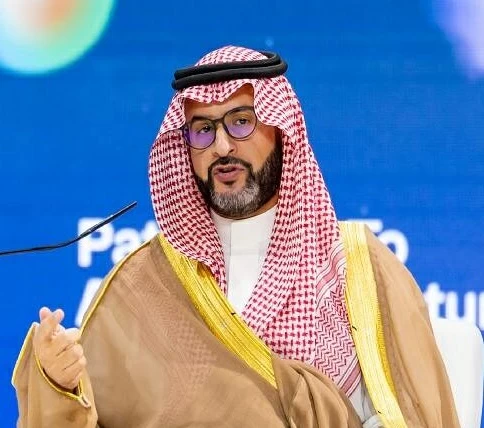
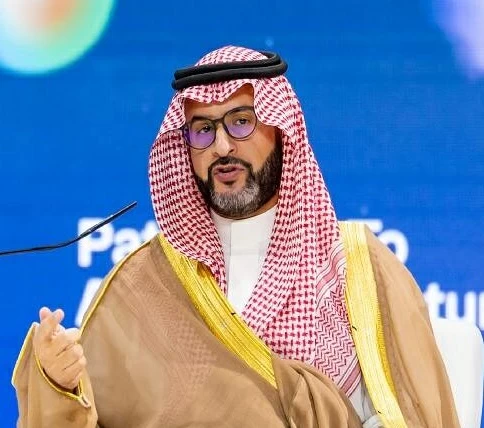
كشف المدير العام للمركز السعودي لكفاءة الطاقة ناصر الغامدي، عن 4 عوامل رئيسة للاستفادة من فرص تحسين كفاءة استهلاك الطاقة في المملكة، تتمثل في تطوير المعايير الفنية والأطر التنظيمية، وتوفير بيانات عالية الجودة لقياس الأداء، وتعزيز التمويل وتحفيز الاستثمارات، وبناء القدرات البشرية ورفع جاهزية السوق بالكوادر المتخصصة.
وأوضح الغامدي، خلال جلسة حوارية ضمن مؤتمر البترول العالمي الـ25 المنعقد في الرياض، أن قطاعات الصناعة والمباني والنقل تتصدر المجالات الواعدة لتحسين كفاءة الطاقة، مؤكداً أن الاستفادة من هذه الفرص تتطلب حلولاً متكاملة تتجاوز تحسين كفاءة الأجهزة والمعدات إلى تطوير الأنظمة والعمليات التشغيلية.
وأشار إلى أن القطاع الصناعي يمتلك فرصاً كبيرة لخفض استهلاك الطاقة، خصوصاً في الصناعات كثيفة الاستهلاك، من خلال رفع كفاءة العمليات الصناعية، وتطبيق أنظمة إدارة الطاقة، وقياس الأداء، وتحديد مصادر الهدر، وربط القرارات الاستثمارية والتشغيلية بإنتاجية الطاقة.
وبيّن أن الفرص الأكبر في قطاع المباني تتركز في إعادة تأهيل المباني القائمة ورفع كفاءتها، عبر تحسين العزل الحراري وأنظمة التكييف والتبريد والتشغيل والصيانة، وتحويل الحلول التقنية إلى مشاريع قابلة للتنفيذ.
وفي قطاع النقل، أكد أهمية تطوير منظومة متكاملة تشمل كفاءة المركبات والبنية التحتية ومحطات الشحن والنقل العام وحلول النقل الذكية، بما يعزز كفاءة استهلاك الطاقة.
وشدد الغامدي على ضرورة الانتقال من تنفيذ مشاريع منفردة إلى تحسين منظومة الطاقة على المستوى الوطني، لتصبح كفاءة الطاقة عنصراً أساسياً في تشغيل القطاعات الاقتصادية وتعزيز إنتاجيتها.
The Director General of the Saudi Center for Energy Efficiency, Nasser Al-Ghamdi, revealed four main factors for benefiting from opportunities to improve energy consumption efficiency in the Kingdom. These factors include developing technical standards and regulatory frameworks, providing high-quality data for performance measurement, enhancing financing and stimulating investments, and building human capacities and increasing market readiness with specialized personnel.
Al-Ghamdi explained during a panel discussion at the 25th World Petroleum Conference held in Riyadh that the industrial, building, and transportation sectors are at the forefront of promising areas for improving energy efficiency. He emphasized that taking advantage of these opportunities requires integrated solutions that go beyond improving the efficiency of devices and equipment to developing systems and operational processes.
He pointed out that the industrial sector has significant opportunities to reduce energy consumption, especially in energy-intensive industries, by enhancing the efficiency of industrial processes, implementing energy management systems, measuring performance, identifying sources of waste, and linking investment and operational decisions to energy productivity.
He indicated that the greatest opportunities in the building sector are concentrated on retrofitting existing buildings and enhancing their efficiency through improving thermal insulation, air conditioning and cooling systems, operations and maintenance, and turning technical solutions into executable projects.
In the transportation sector, he stressed the importance of developing an integrated system that includes vehicle efficiency, infrastructure, charging stations, public transport, and smart transportation solutions, which enhances energy consumption efficiency.
Al-Ghamdi emphasized the need to transition from implementing isolated projects to improving the energy system at the national level, so that energy efficiency becomes a fundamental element in the operation of economic sectors and enhances their productivity.