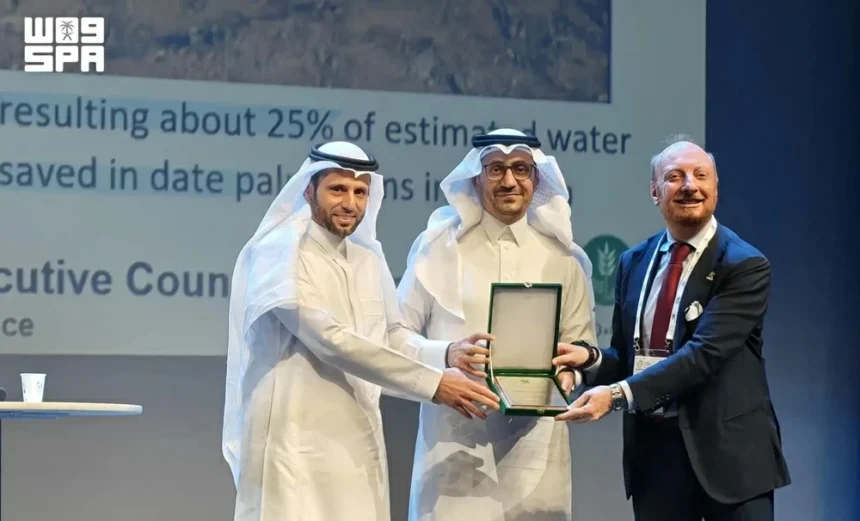
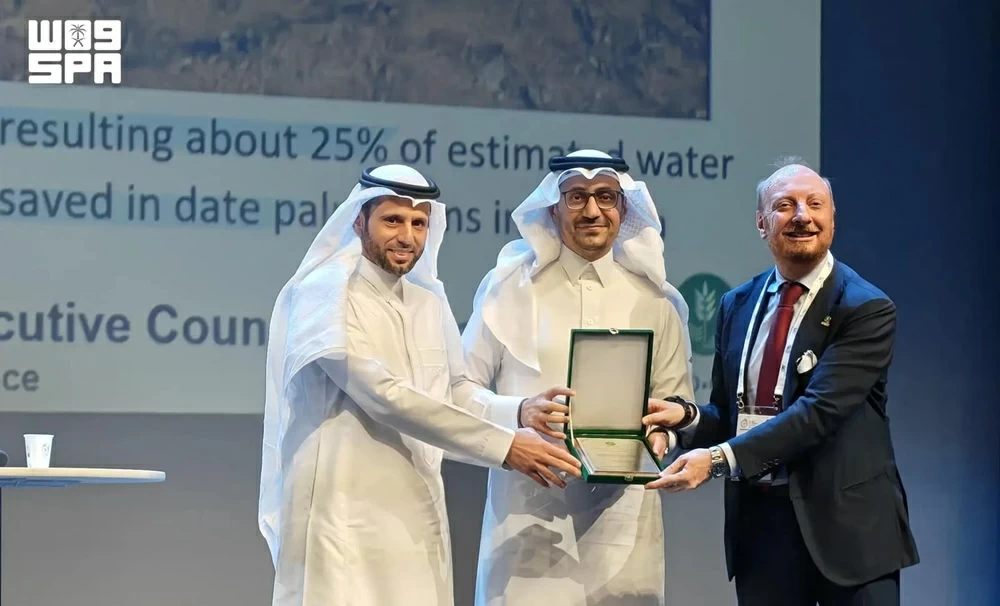
سجلت السعودية إنجازًا دوليًا جديدًا في مجال إدارة الموارد المائية، بعد فوزها بجائزتين من اللجنة الدولية للري والصرف (ICID)، خلال أعمال المؤتمر الدولي السادس والعشرين للري والصرف المنعقد في مدينة مرسيليا الفرنسية.
ونالت السعودية، ممثلةً بالمؤسسة العامة للري واللجنة السعودية للري والصرف، جائزة ترشيد المياه (WatSave 2026) لفئة المزارعين، إلى جانب جائزة منشآت الري التراثية العالمية (WHIS 2026) عن منظومة الري التراثي في الأحساء؛ وذلك إثر استيفاء ملفات الترشيح لجميع المتطلبات والمعايير المعتمدة.
وجاءت جائزة ترشيد المياه من نصيب المزارع علي بن ناصر الشهراني، أحد المشاركين في مشروع (الحقول الإرشادية الذكية لرفع كفاءة الري والإنتاجية)، الذي تنفذه المؤسسة العامة للري بالشراكة مع برنامج منظمة الأغذية والزراعة للأمم المتحدة (الفاو) في المملكة. ويهدف المشروع إلى تطبيق تقنيات الري الذكي وتعزيز كفاءة استخدام المياه الزراعية ورفع الإنتاجية واستدامة الموارد المائية.
في جانب آخر، حصدت منظومة الري التراثي بالأحساء جائزة منشآت الري التراثية العالمية؛ تقديرًا لقيمتها التاريخية ودورها الممتد في تطوير تقنيات إدارة المياه عبر العصور. وتُعد واحة الأحساء أكبر واحة زراعية في العالم، وتحتضن إرثًا مائيًا وزراعيًا يمتد لآلاف السنين، إلى جانب مكانتها المسجلة على قائمة التراث العالمي لليونسكو.
وأكد الرئيس التنفيذي للمؤسسة العامة للري ورئيس اللجنة السعودية للري والصرف، المهندس محمد أبوحيد، أن هذا التتويج يعكس ما يحظى به قطاع الري في المملكة من دعم واهتمام، ويجسِّد نجاح الجهود الوطنية في تطوير القطاع وتعزيز استدامته، مشيرًا إلى أن الجمع بين الجائزتين يجسِّد تكامل الابتكار الزراعي الحديث مع الإرث المائي التاريخي في التجربة السعودية.
ويعزز هذا الإنجاز حضور المملكة في المحافل الدولية المتخصصة، ويعكس التقدم الذي حققته في مجالات ترشيد استهلاك المياه والاستدامة الزراعية والأمن الغذائي، انسجامًا مع مستهدفات رؤية السعودية 2030.
Saudi Arabia has achieved a new international milestone in the field of water resource management, after winning two awards from the International Commission on Irrigation and Drainage (ICID) during the proceedings of the 26th International Conference on Irrigation and Drainage held in the French city of Marseille.
Saudi Arabia, represented by the General Authority for Irrigation and the Saudi Irrigation and Drainage Committee, received the WatSave 2026 award for the farmers category, along with the World Heritage Irrigation Structures (WHIS 2026) award for the traditional irrigation system in Al-Ahsa; this was due to meeting all the requirements and standards for the nomination files.
The WatSave award was awarded to farmer Ali bin Nasser Al-Shahrani, one of the participants in the project (Smart Advisory Fields to Enhance Irrigation Efficiency and Productivity), which is implemented by the General Authority for Irrigation in partnership with the Food and Agriculture Organization of the United Nations (FAO) in the Kingdom. The project aims to apply smart irrigation technologies, enhance the efficiency of agricultural water use, increase productivity, and ensure the sustainability of water resources.
On another note, the traditional irrigation system in Al-Ahsa won the World Heritage Irrigation Structures award in recognition of its historical value and its extended role in developing water management technologies throughout the ages. The Al-Ahsa Oasis is the largest agricultural oasis in the world, housing a water and agricultural heritage that spans thousands of years, in addition to its status listed on the UNESCO World Heritage List.
The CEO of the General Authority for Irrigation and Chairman of the Saudi Irrigation and Drainage Committee, Engineer Mohammed Abu Haid, affirmed that this accolade reflects the support and attention that the irrigation sector in the Kingdom receives, embodying the success of national efforts in developing the sector and enhancing its sustainability, noting that the combination of the two awards exemplifies the integration of modern agricultural innovation with the historical water heritage in the Saudi experience.
This achievement enhances the Kingdom’s presence in specialized international forums and reflects the progress it has made in the fields of water consumption rationalization, agricultural sustainability, and food security, in line with the objectives of Saudi Vision 2030.