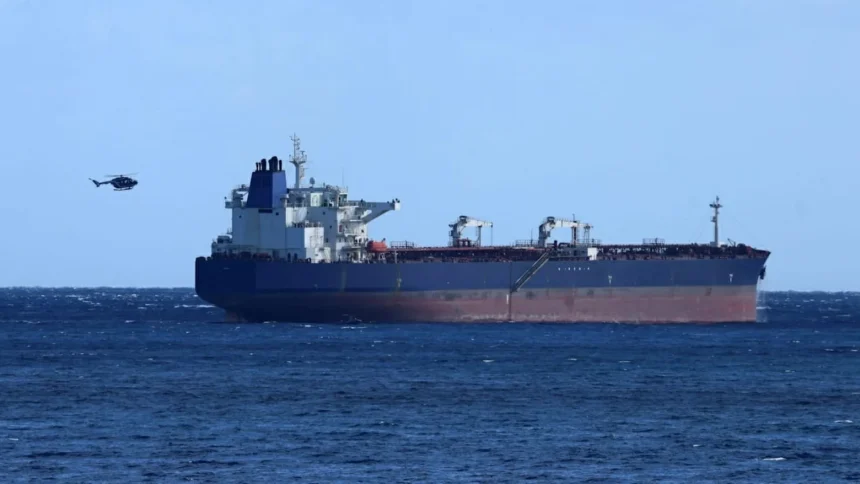
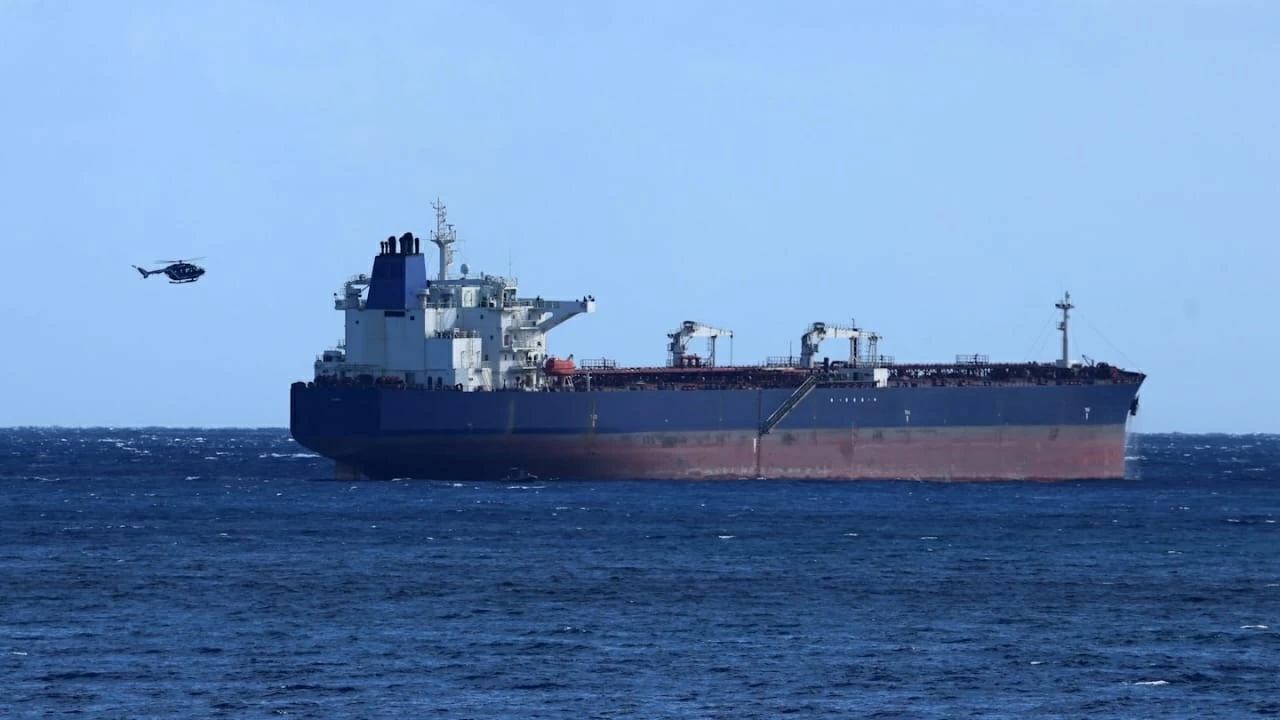
تدرس إدارة الرئيس الأمريكي دونالد ترمب تخفيف العقوبات المفروضة على ناقلات النفط المرتبطة بروسيا وإيران، المعروفة باسم «أسطول الظل»، في محاولة لزيادة إمدادات الوقود وخفض تكاليف الشحن، وسط ارتفاع أسعار الديزل وضغوط متزايدة قبل انتخابات التجديد النصفي للكونغرس في نوفمبر القادم.
وتثير الخطوة جدلاً داخل الولايات المتحدة وأوروبا، بسبب مخاوف من تخفيف الضغوط الاقتصادية على موسكو، فيما يرى محللون أن تأثيرها المحتمل على أسعار الوقود قد يكون محدوداً.
وبحسب صحيفة «فاينانشال تايمز» البريطانية، نقلاً عن أشخاص مطلعين على المناقشات، تشمل المقترحات السماح ببيع ناقلات مدرجة على قوائم العقوبات إلى مشغلين تجاريين شرعيين، مع إمكانية رفع العقوبات عنها والسماح لها بالعمل في الأسواق العالمية دون القيود الحالية.
وأشار وزير الطاقة الأمريكي كريس رايت إلى أن نقص الناقلات يمثل عقبة رئيسية أمام نقل النفط والوقود المكرر، ويسهم في ارتفاع تكاليف الشحن عالمياً.
وقال رايت، إن إزالة العقوبات عن بعض السفن قد توفر قدراً من التخفيف لضغوط الشحن.
من جانبها، أوضحت مسؤولة في وزارة الخزانة الأمريكية أن مكتب مراقبة الأصول الأجنبية قد ينظر في السماح ببيع ناقلات «أسطول الظل» إلى مشترين شرعيين، ورفع العقوبات عنها وفقاً لكل حالة على حدة، شريطة إعادتها إلى الاستخدام التجاري القانوني.
وأكدت أن هذه الخطوة تستهدف إخراج السفن من أسطول الظل وإعادتها إلى التجارة العالمية المشروعة، مشيرة إلى أن المكتب يجري مراجعة دقيقة قبل رفع العقوبات عن أي جهة.
انتخابات نوفمبر تضغط على إدارة ترمب
وتأتي هذه التحركات ضمن مساعي إدارة ترمب لاحتواء ارتفاع أسعار الوقود قبل انتخابات التجديد النصفي، التي ستحدد السيطرة على الكونغرس الأمريكي.
وأظهرت بيانات صدرت خلال الأسبوع ارتفاع التضخم الاستهلاكي في الولايات المتحدة إلى 3.7% في سبتمبر، مع انتقال أثر ارتفاع أسعار الوقود إلى الاقتصاد.
وسعت الإدارة الأمريكية إلى زيادة المعروض من الديزل عبر الضغط على حلفائها لضخ كميات إضافية في الأسواق، كما هددت بفرض حظر على صادرات الوقود.
ووقّع ترمب أيضاً أمراً تنفيذياً يسمح باستخدام الديزل الأحمر المعفى من الضرائب على الطرق العامة.
ورغم هذه الإجراءات، بلغ متوسط سعر الديزل في محطات الوقود 6.31 دولار للغالون الخميس، مقترباً من مستوى قياسي بلغ 6.53 دولار خلال الأسابيع الأخيرة.
وحذرت وكالة الطاقة الدولية من استمرار نقص عالمي في الديزل حتى منتصف عام 2027، ما يزيد الضغوط على أسواق الطاقة.
وقال بوب مكنالي، المستشار السابق لشؤون الطاقة في إدارة جورج دبليو بوش ورئيس شركة «رابيدان إنرجي»، إن الإدارة الأمريكية تبحث مختلف الخيارات لخفض أسعار الوقود قبل الانتخابات، حتى لو كان تأثير بعضها محدوداً.
تأثير محدود محتمل على أسعار الوقود
ورغم الرهان على زيادة قدرة نقل النفط والمنتجات المكررة، يرى محللون أن تخفيف العقوبات على الناقلات قد لا يؤدي إلى انخفاض ملموس في أسعار الوقود.
ميلوني تنتقد توجه ترمب بشأن النفط الروسي
وأثارت مساعي الإدارة الأمريكية لتخفيف العقوبات على الوقود الروسي والناقلات المستخدمة في نقل النفط الخام والمنتجات البترولية قلق سياسيين في الولايات المتحدة وأوروبا، وسط مخاوف من إضعاف الضغوط الدولية على موسكو بسبب حرب أوكرانيا.
وكان ترمب قد أعلن الأسبوع الماضي عزمه تعليق العقوبات على الديزل الروسي بصورة مؤقتة، وهو ما أثار انتقادات من حلفاء أوروبيين وأعضاء في مجلس الشيوخ الأمريكي من الحزبين الجمهوري والديمقراطي، وصفوا الخطوة بأنها «هدية لخصمنا وخيانة لحلفائنا».
والأربعاء، انتقدت رئيسة الوزراء الإيطالية جورجيا ميلوني خطة ترمب لشراء الديزل من روسيا، ووصفتها بأنها «خيار شديد الخطورة»، معتبرة أنها تقوض الضغوط الدولية على الرئيس الروسي فلاديمير بوتين بسبب الحرب في أوكرانيا.
وقال جيريمي بانر، الشريك في مكتب «هيوز هابارد» للمحاماة في واشنطن، إن تسهيل شراء الناقلات الخاضعة للعقوبات قد يتيح للإدارة الأمريكية تجنب الانتقادات المرتبطة بإصدار تراخيص جديدة مباشرة لجهات مرتبطة بروسيا.
وبينما تسعى واشنطن إلى تخفيف أعباء الوقود عن المستهلكين قبل الانتخابات، يبقى تأثير تخفيف العقوبات على ناقلات «أسطول الظل» غير محسوم، في ظل تقديرات تشير إلى أن مخاطر الحرب في الشرق الأوسط تمثل عاملاً رئيسياً في ارتفاع الأسعار، وأن إعادة تشغيل الناقلات المعاقبة قد لا تكون كافية وحدها لتغيير اتجاه السوق.
The administration of U.S. President Donald Trump is considering easing sanctions on oil tankers linked to Russia and Iran, known as the “shadow fleet,” in an attempt to increase fuel supplies and reduce shipping costs, amid rising diesel prices and increasing pressure ahead of the upcoming midterm elections in November.
This move has sparked controversy within the United States and Europe due to concerns about easing economic pressure on Moscow, while analysts believe its potential impact on fuel prices may be limited.
According to the British newspaper “Financial Times,” citing informed sources on the discussions, the proposals include allowing the sale of tankers listed on sanctions lists to legitimate commercial operators, with the possibility of lifting sanctions on them and allowing them to operate in global markets without current restrictions.
U.S. Energy Secretary Chris Wright pointed out that the shortage of tankers represents a major obstacle to transporting oil and refined fuel, contributing to rising shipping costs globally.
Wright stated that removing sanctions on some ships could provide some relief to shipping pressures.
For her part, a U.S. Treasury official explained that the Office of Foreign Assets Control may consider allowing the sale of “shadow fleet” tankers to legitimate buyers and lifting sanctions on a case-by-case basis, provided they are returned to legal commercial use.
She confirmed that this step aims to remove ships from the shadow fleet and return them to legitimate global trade, noting that the office is conducting a thorough review before lifting sanctions on any entity.
November elections pressuring the Trump administration
These moves come as part of the Trump administration’s efforts to contain rising fuel prices ahead of the midterm elections, which will determine control of the U.S. Congress.
Data released during the week showed that consumer inflation in the United States rose to 3.7% in September, as the impact of rising fuel prices spread to the economy.
The U.S. administration has sought to increase diesel supply by pressuring its allies to pump additional quantities into the markets, and it has also threatened to impose a ban on fuel exports.
Trump also signed an executive order allowing the use of tax-exempt red diesel on public roads.
Despite these measures, the average price of diesel at gas stations reached $6.31 per gallon on Thursday, nearing a record level of $6.53 in recent weeks.
The International Energy Agency warned of a continued global diesel shortage until mid-2027, increasing pressure on energy markets.
Bob McNally, a former energy advisor in the George W. Bush administration and president of Rapidan Energy, stated that the U.S. administration is exploring various options to lower fuel prices before the elections, even if the impact of some of them is limited.
Potential limited impact on fuel prices
Despite the bet on increasing the capacity to transport oil and refined products, analysts believe that easing sanctions on tankers may not lead to a significant decrease in fuel prices.
Meloni criticizes Trump’s approach to Russian oil
The U.S. administration’s efforts to ease sanctions on Russian fuel and the tankers used to transport crude oil and petroleum products have raised concerns among politicians in the United States and Europe, amid fears of weakening international pressure on Moscow due to the war in Ukraine.
Last week, Trump announced his intention to temporarily suspend sanctions on Russian diesel, which drew criticism from European allies and members of the U.S. Senate from both the Republican and Democratic parties, who described the move as “a gift to our adversary and a betrayal of our allies.”
On Wednesday, Italian Prime Minister Giorgia Meloni criticized Trump’s plan to purchase diesel from Russia, calling it “a very dangerous option,” arguing that it undermines international pressure on Russian President Vladimir Putin due to the war in Ukraine.
Jeremy Banner, a partner at the Hughes Hubbard law firm in Washington, stated that facilitating the purchase of sanctioned tankers could allow the U.S. administration to avoid criticism associated with issuing new licenses directly to entities linked to Russia.
While Washington seeks to alleviate fuel burdens on consumers ahead of the elections, the impact of easing sanctions on “shadow fleet” tankers remains uncertain, as estimates suggest that the risks of war in the Middle East are a key factor in rising prices, and that merely reactivating sanctioned tankers may not be sufficient to change market direction.