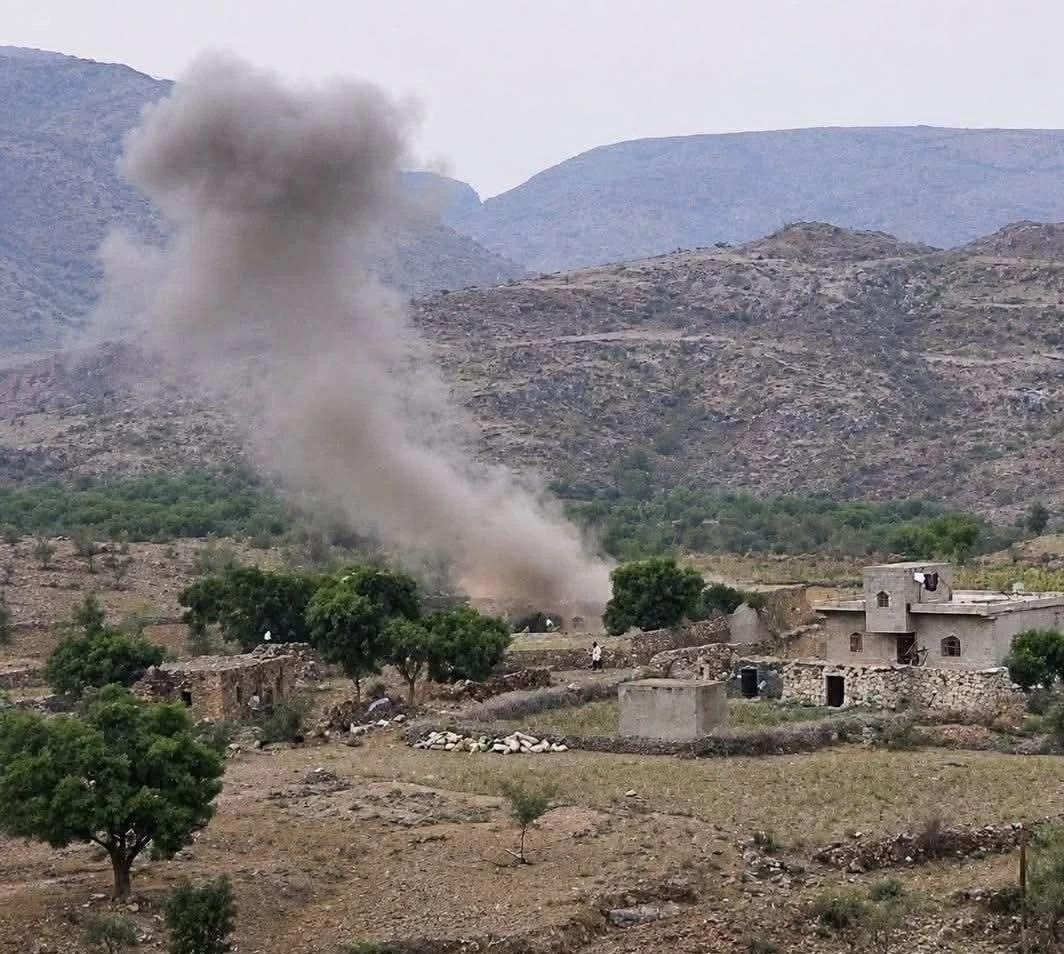
اتهمت الشبكة اليمنية للحقوق والحريات، اليوم (الأحد)، مليشيا الحوثي الإرهابية بارتكاب 170 جريمة وانتهاكًا بحق المدنيين في 9 محافظات يمنية خلال الـ48 ساعة الماضية، شملت القتل والإصابة والاختطاف ومداهمة المنازل وقصف الأحياء السكنية واستهداف المرافق المدنية، مؤكدة إطلاق المليشيا نحو 432 مقذوفًا بصورة عشوائية، تركز معظمها على الأحياء المأهولة بالسكان في محافظة تعز.
وأوضحت الشبكة، في بيان، أن فريقها وثّق مقتل 29 مدنيًا، بينهم 4 نساء و3 أطفال، وإصابة 36 آخرين، بينهم 5 نساء و4 أطفال، واختطاف 16 مدنيًا ونقلهم إلى جهات مجهولة، إلى جانب مداهمة 61 منزلًا واستهداف 23 منزلًا بالقصف، فضلًا عن استهداف مرفقين صحيين ومسجدين ومطار عدن الدولي وقصر معاشيق.
وشملت الانتهاكات محافظات تعز وعدن وصنعاء والحديدة والجوف ولحج والضالع وإب وعمران، وتنوعت بين القصف والقنص وانفجارات الألغام والرصاص الراجع والتصفية الميدانية والاختطاف والإخفاء القسري، واستهداف المنازل والأحياء السكنية والمرافق الصحية ودور العبادة والطرقات العامة، بحسب تقرير الشبكة.
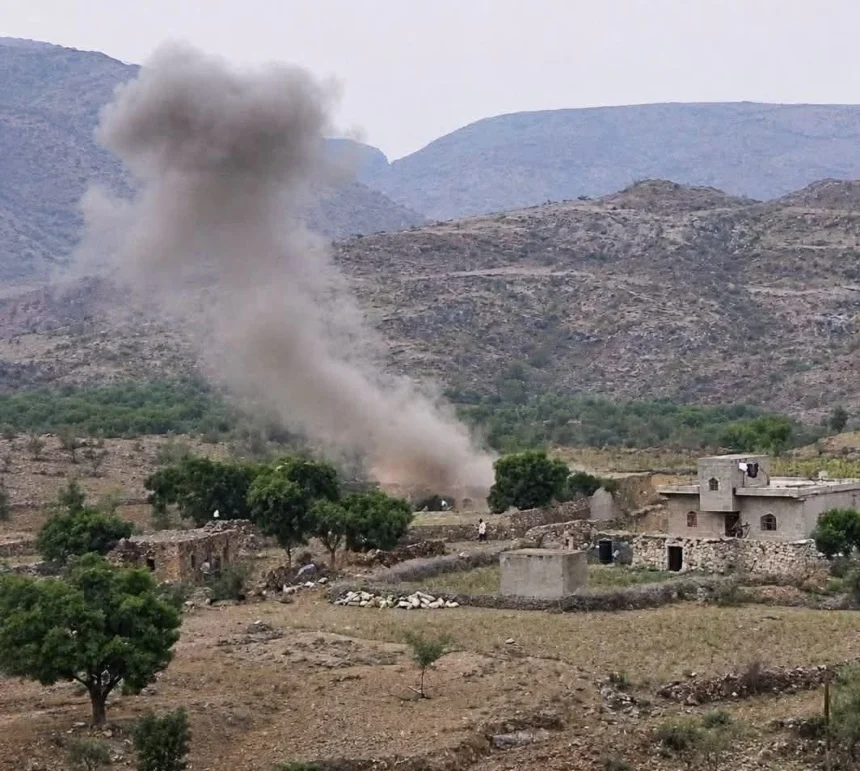
وكشفت الشبكة عن تصفية زعيم قبلي في خولان الطيال عقب مداهمة منزله، على خلفية رفضه تجنيد أبناء القبائل في صفوف المليشيا، إلى جانب اختطاف جريح من منشأة طبية، في انتهاك يحرمه من الرعاية ويضاعف معاناته. كما وثّقت استخدام قذائف الهاون وصواريخ الكاتيوشا والصواريخ الباليستية والطائرات المسيّرة في الاعتداءات، ومنها قصف منازل المدنيين في منطقة مريس بمحافظة الضالع.
وأشارت إلى استهداف مطار عدن الدولي بالتزامن مع وصول رحلة تقل مسافرين مدنيين، ما عرّض حياة المسافرين والعاملين للخطر، بالتزامن مع استهداف قصر معاشيق.
وفي محافظة الجوف، وثّقت الشبكة مقتل مسافرين اثنين وإصابة آخرين جراء انفجار لغم على طريق اليتمة–الوديعة، محذرة من استمرار زراعة الألغام وتحويل طرق التنقل ومناطق العمل إلى مصائد تهدد حياة المسافرين والمزارعين.
وفي تعز، رصدت منع المسافرين من دخول المدينة عبر منفذ الهنجر (الضباب)، قبل السماح بعبورهم بالتزامن مع إدخال آليات عسكرية بين سياراتهم، في واقعة تثير شبهة استخدام المدنيين دروعًا بشرية. كما وثّقت قطع الطرق وفرض قيود على حركة المسافرين والسلع، واستمرار الحصار المشدد الذي يعوق وصول الغذاء والوقود والأدوية والخدمات الأساسية، ويفاقم مخاطر الجوع والمرض، خصوصًا بين الأطفال والمرضى.
وحذرت الشبكة من أن استمرار الحصار والقصف ونقص الإمدادات يهدد حياة السكان، ويضاعف معاناتهم مع ارتفاع الأسعار وتعذر الوصول إلى العلاج والحاجات الضرورية، مطالبة بإعلان تعز مدينة منكوبة وتوسيع الاستجابة الإنسانية.
وفي صنعاء، أفادت الشبكة بتلقي بلاغات عن ضغوط تمارسها المليشيا على عقال الحارات لإعداد كشوفات لتسجيل مقاتلين جدد، إلى جانب معلومات عن الدفع نحو تجنيد الأطفال قسرًا.
وأدانت استغلال الأطفال وإقحامهم في القتال، مطالبة بوقف تجنيدهم وتسريح المجندين منهم، وضمان حصولهم على الرعاية الصحية والدعم النفسي والتعليم وإعادة الإدماج.
وأكدت أن تصفية الشخصيات القبلية والاجتماعية واستهداف الرافضين للتحشيد والتجنيد ممارسات ترهب المجتمع وتقوض السلم الأهلي وتمزق النسيج الاجتماعي، مشيرة إلى أن القصف العشوائي والاعتداءات على المدنيين والمرافق الصحية ودور العبادة تثير شبهات جدية بارتكاب جرائم حرب تستوجب التحقيق والمساءلة، مع ضرورة التحقق من مدى انطباق الوصف القانوني للجرائم ضد الإنسانية.
ودعت الشبكة الأمم المتحدة والمجتمع الدولي إلى إدانة الانتهاكات والتحرك العاجل لحماية المدنيين ووقف الاعتداءات ورفع الحصار وفتح الطرق، وضمان وصول الغذاء والمياه والوقود والأدوية والمساعدات الإنسانية بصورة آمنة ومنتظمة. كما طالبت اللجنة الدولية للصليب الأحمر وبرنامج الأغذية العالمي والجهات الإنسانية بتقييم الحاجات وتوفير الإمدادات الضرورية ودعم المرافق الصحية، مع إعطاء الأولوية للأطفال والمرضى والفئات الأشد احتياجًا.
وشددت الشبكة اليمنية للحقوق والحريات على ضرورة وقف القصف والحصار والاختطاف والتجنيد القسري، وفتح تحقيقات مستقلة في الانتهاكات ومساءلة المسؤولين عنها، محذرة من أن استمرار الصمت والتأخر في التحرك يضاعفان معاناة المدنيين ويعرضان مزيدًا من الأرواح لخطر الموت والجوع والمرض.
The Yemeni Network for Rights and Freedoms accused the Houthi terrorist militia today (Sunday) of committing 170 crimes and violations against civilians in 9 Yemeni governorates over the past 48 hours, which included killing, injury, kidnapping, home raids, shelling residential neighborhoods, and targeting civilian facilities. It confirmed that the militia launched approximately 432 projectiles randomly, most of which focused on populated areas in Taiz governorate.
The network clarified in a statement that its team documented the killing of 29 civilians, including 4 women and 3 children, and the injury of 36 others, including 5 women and 4 children, as well as the kidnapping of 16 civilians and their transfer to unknown locations, in addition to raiding 61 homes and targeting 23 homes with shelling, as well as targeting two health facilities, two mosques, Aden International Airport, and the Maashiq Palace.
The violations included the governorates of Taiz, Aden, Sana’a, Hodeidah, Al-Jawf, Lahij, Al-Dhale, Ibb, and Amran, and varied between shelling, sniping, landmine explosions, ricochet bullets, field executions, kidnapping, and enforced disappearance, as well as targeting homes, residential neighborhoods, health facilities, places of worship, and public roads, according to the network’s report.
The network revealed the execution of a tribal leader in Khawlan Al-Tiyal following a raid on his home, due to his refusal to recruit tribesmen into the militia ranks, in addition to the kidnapping of an injured person from a medical facility, violating his right to care and exacerbating his suffering. It also documented the use of mortar shells, Katyusha rockets, ballistic missiles, and drones in the attacks, including shelling civilian homes in the Murais area of Al-Dhale governorate.
It pointed out that Aden International Airport was targeted coinciding with the arrival of a flight carrying civilian passengers, which endangered the lives of travelers and workers, alongside the targeting of the Maashiq Palace.
In Al-Jawf governorate, the network documented the killing of two travelers and the injury of others due to a landmine explosion on the Al-Yatmah–Al-Wadiah road, warning of the continued planting of landmines and turning transportation routes and work areas into traps that threaten the lives of travelers and farmers.
In Taiz, it recorded the prevention of travelers from entering the city through the Al-Hangar (Al-Dabab) crossing, before allowing them to pass while military vehicles were introduced among their cars, in an incident that raises suspicion of using civilians as human shields. It also documented roadblocks and imposed restrictions on the movement of travelers and goods, and the continuation of a severe blockade that hinders the arrival of food, fuel, medicines, and essential services, exacerbating the risks of hunger and disease, especially among children and the sick.
The network warned that the continuation of the blockade, shelling, and supply shortages threatens the lives of the population and exacerbates their suffering with rising prices and the inability to access treatment and essential needs, calling for the declaration of Taiz as a disaster-stricken city and the expansion of humanitarian response.
In Sana’a, the network reported receiving notifications about pressures exerted by the militia on neighborhood leaders to prepare lists for registering new fighters, along with information about pushing towards the forced recruitment of children.
It condemned the exploitation of children and their involvement in fighting, demanding an end to their recruitment, the demobilization of those already recruited, and ensuring their access to healthcare, psychological support, education, and reintegration.
It affirmed that the targeting of tribal and social figures and the targeting of those who refuse mobilization and recruitment are practices that terrorize the community, undermine civil peace, and tear apart the social fabric, indicating that the random shelling and assaults on civilians and health facilities and places of worship raise serious suspicions of committing war crimes that require investigation and accountability, with the necessity of verifying the applicability of the legal description of crimes against humanity.
The network called on the United Nations and the international community to condemn the violations and take urgent action to protect civilians, stop the assaults, lift the blockade, and open roads, ensuring the safe and regular delivery of food, water, fuel, medicines, and humanitarian aid. It also urged the International Committee of the Red Cross, the World Food Programme, and humanitarian entities to assess needs and provide essential supplies and support to health facilities, prioritizing children, the sick, and the most vulnerable groups.
The Yemeni Network for Rights and Freedoms emphasized the necessity of stopping the shelling, blockade, kidnapping, and forced recruitment, and opening independent investigations into the violations and holding those responsible accountable, warning that the continuation of silence and delays in action exacerbate the suffering of civilians and expose more lives to the risk of death, hunger, and disease.