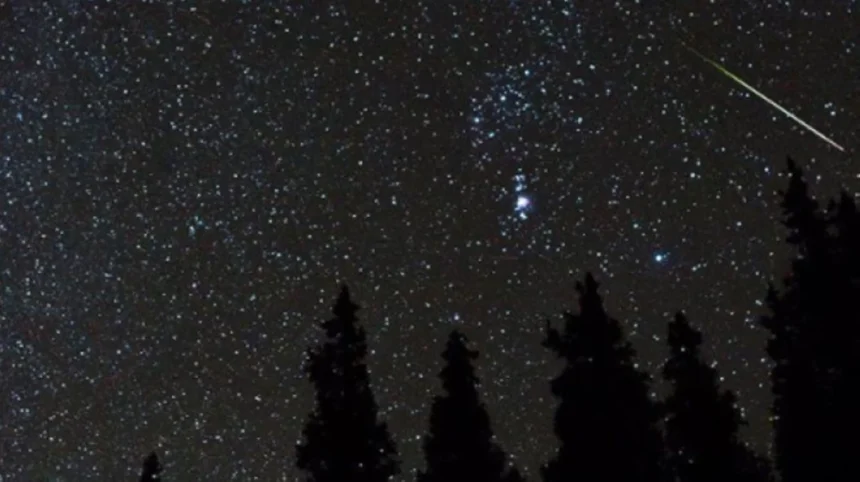
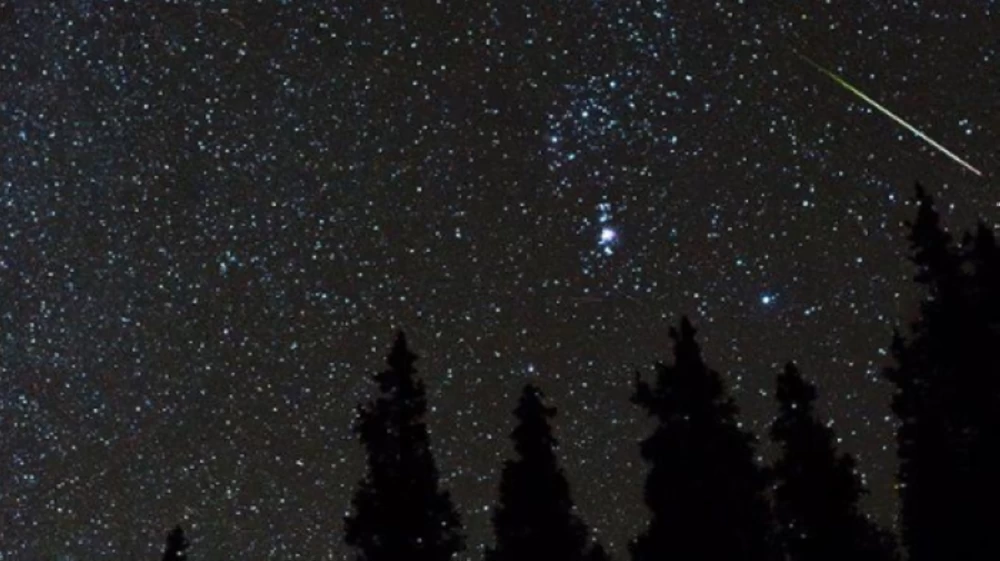
تبلغ زخة شهب الجباريات ذروة نشاطها في ليلة (الأربعاء) 21 أكتوبر حتى فجر (الخميس) 22 أكتوبر 2026، في ظاهرة فلكية سنويةً تتيح لسكان السعودية والعالم العربي مشاهدة شهب سريعةً ناتجةً عن جسيمات خلّفها المذنب هالي خلال رحلاته حول الشمس.
وأفاد رئيس الجمعية الفلكية بجدة المهندس ماجد أبو زاهرة أن الجباريات تُعد من زخات الشهب متوسطة النشاط، ويصل معدلها النظري إلى نحو 20 شهاباً في الساعة في ظروف الرصد المثالية، ويتفاوت العدد المشاهد فعلياً بحسب صفاء السماء والتلوث الضوئي وسطوع القمر وارتفاع نقطة إشعاع الشهب.
وبيّن أن أفضل أوقات الرصد تبدأ بعد منتصف الليل، وتتحسن خلال الساعات التي تسبق الفجر، خصوصاً بعد غروب القمر؛ لارتفاع نقطة الإشعاع وازدياد ظلمة السماء، مشيراً إلى أن القمر الأحدب المتزايد، الذي تبلغ إضاءته نحو 74% خلال ليلة الذروة، سيحجب بعض الشهب الخافتة أثناء وجوده فوق الأفق، فيما تتيح الفترة التالية لغروبه فرصةً أفضل لمشاهدتها حتى اقتراب الشروق.
وأضاف أن الشهب تنشأ عند دخول جسيمات المذنب هالي الغلاف الجوي بسرعةٍ تصل إلى نحو 66 كيلومتراً في الثانية، فتنتج ومضاتٍ ضوئيةً قصيرةً، قد يترك بعضها آثاراً مضيئةً تستمر لوقتٍ وجيزٍ، وتبدو كأنها تنطلق من نقطةٍ ضمن كوكبة الجبار، ولذلك اكتسبت الزخة اسمها.
ودعا أبو زاهرة إلى اختيار موقعٍ مظلمٍ بعيدٍ عن أضواء المدن، يتيح رؤية مساحةٍ واسعةٍ من السماء، ومنح العينين نحو 20 إلى 30 دقيقةً للتكيف مع الظلام، وتجنب شاشات الهواتف الساطعة، مؤكداً أن العين المجردة هي الأفضل للرصد، دون الحاجة إلى تلسكوبٍ أو منظارٍ، ولا ضرورة لتثبيت النظر على كوكبة الجبار؛ إذ قد تظهر الشهب بعيداً عنها.
The Orionids meteor shower reaches its peak activity on the night of (Wednesday) October 21 until dawn (Thursday) October 22, 2026, in an annual astronomical phenomenon that allows residents of Saudi Arabia and the Arab world to witness fast meteors resulting from particles left by Halley’s Comet during its journeys around the sun.
The head of the Astronomy Society in Jeddah, Engineer Majid Abu Zahra, stated that the Orionids are considered a medium-activity meteor shower, with a theoretical rate of about 20 meteors per hour under ideal observation conditions. The actual observed number varies depending on the clarity of the sky, light pollution, moon brightness, and the altitude of the meteor radiant.
He indicated that the best times for observation begin after midnight and improve during the hours leading up to dawn, especially after the moon sets; this is due to the higher altitude of the radiant point and the increased darkness of the sky. He noted that the waxing gibbous moon, which will be about 74% illuminated during the peak night, will obscure some of the faint meteors while it is above the horizon, whereas the period following its setting will provide a better opportunity to observe them until close to sunrise.
He added that meteors are created when particles from Halley’s Comet enter the atmosphere at speeds of about 66 kilometers per second, producing brief flashes of light, some of which may leave glowing trails that last for a short time, appearing as if they are emanating from a point within the Orion constellation, which is why the shower has gained its name.
Abu Zahra urged people to choose a dark location away from city lights that allows for a wide view of the sky, and to give their eyes about 20 to 30 minutes to adjust to the darkness, avoiding bright phone screens. He emphasized that the naked eye is the best for observation, without the need for a telescope or binoculars, and there is no need to fix one’s gaze on the Orion constellation, as meteors may appear far from it.