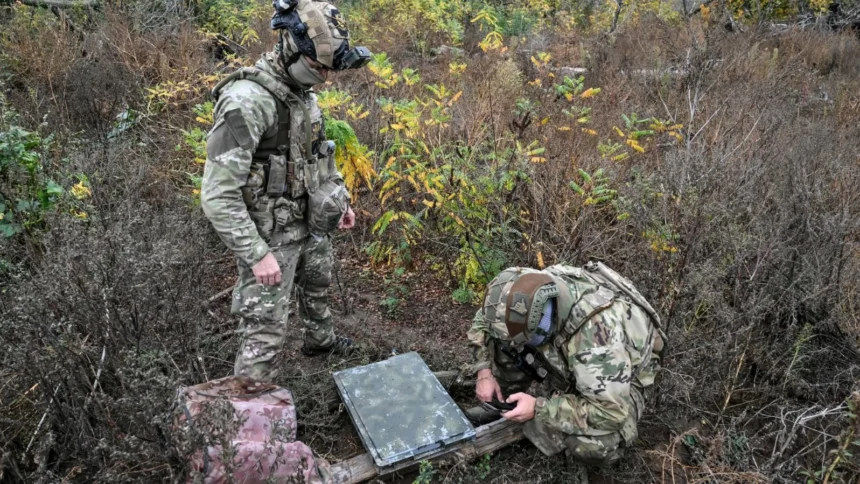
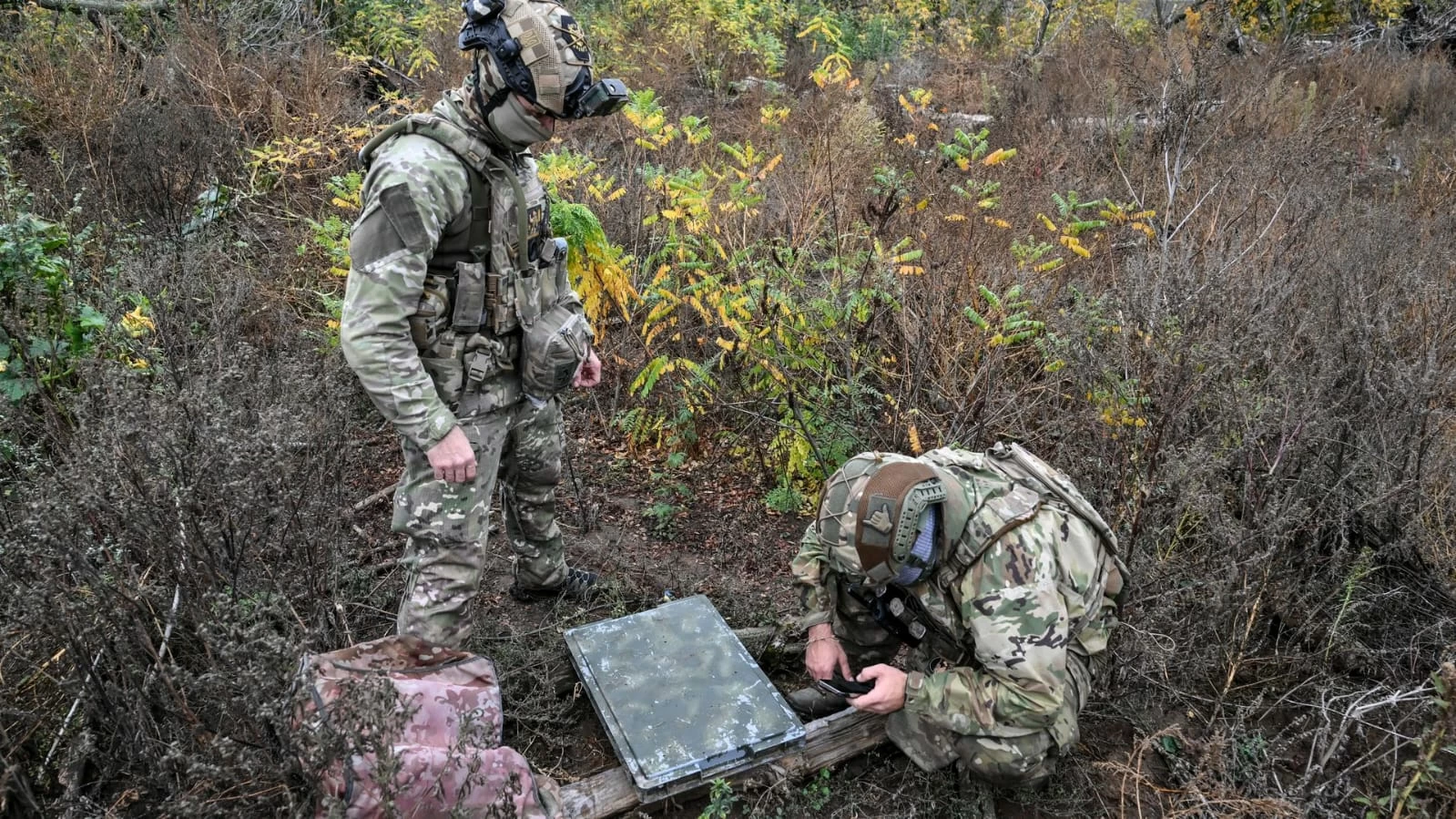
استعادت القوات الأوكرانية الاستخدام الكامل لاتصالات الأقمار الاصطناعية التابعة لشبكة «ستارلينك»، بعد أكثر من أسبوع من القيود التي أثرت على عمليات الطائرات المسيّرة والمهام العسكرية في الخطوط الأمامية، في تطور يأتي بالتزامن مع تحركات دبلوماسية جديدة تقودها الولايات المتحدة لإنهاء الحرب مع روسيا.
وقال وزير الدفاع الأوكراني يفغيني خمارا، اليوم (السبت)، إن أنظمة المراقبة التابعة لوزارة الدفاع سجلت اتصالات مستقرة للأجسام التي تتحرك بسرعات تتجاوز 400 كيلومتر في الساعة، مؤكداً استعادة القدرة على استخدام الشبكة دون قيود السرعة التي أثارت قلق المسؤولين العسكريين والحكوميين في كييف.
وتُعد خدمة «ستارشيلد» (Starshield)، النسخة العسكرية من نظام الإنترنت عبر الأقمار الاصطناعية الذي تطوره شركة «سبيس إكس» المملوكة لإيلون ماسك، عنصراً أساسياً في تشغيل الطائرات المسيّرة الأوكرانية وتأمين الاتصالات العسكرية واللوجستية.
وكانت القيود المفروضة على الخدمة قد دفعت قادة عسكريين إلى الإبلاغ عن فقدان طائرات مسيّرة وتعطل مهام ميدانية، ما أثار مخاوف من تأثيرها على القدرات العملياتية للقوات الأوكرانية.
اتصالات مباشرة مع واشنطن لإنهاء الأزمة
وعزا وزير الدفاع الأوكراني استعادة الخدمة إلى الحوار المباشر والجهود الدبلوماسية التي بذلها الرئيس فولوديمير زيلينسكي مع واشنطن.
وقال خمارا إن النتيجة الأهم تتمثل في انعكاسها الإيجابي على الجبهة، وعمليات الطائرات المسيّرة والخدمات اللوجستية والاتصالات العسكرية.
وكان زيلينسكي قد أكد (الجمعة) أن القيود على سرعات «ستارلينك» و«ستارشيلد» لا تزال قائمة، قبل إعلان استعادة الاتصالات بصورة كاملة (السبت).
وأثارت الأزمة تساؤلات بشأن الجهة التي قررت فرض القيود على النظام الذي تعتمد عليه أوكرانيا منذ سنوات في مواجهة الهجمات الروسية.
وقال الرئيس الأمريكي دونالد ترمب إنه لم يتخذ قرار فرض القيود، ودافع عن إيلون ماسك، رافضاً تحميله المسؤولية.
وفي المقابل، ألمح نائب الرئيس الأمريكي جي دي فانس إلى وجود تنسيق بين البيت الأبيض وماسك، بينما نفى وزير الخارجية ماركو روبيو ووزير الدفاع بيت هيغسيث تورط الإدارة الأمريكية في القرار.
وزادت الأزمة التوتر في العلاقات بين كييف وواشنطن، التي تواجه ضغوطاً بالفعل على خلفية تقارير عن اتفاق مع موسكو لاستيراد الديزل الروسي، وهو ما اعتبرته أوكرانيا تخلياً عن مصالحها.
تحركات دبلوماسية وهدنة محلية
وتزامن استئناف الاتصالات مع تحركات أمريكية جديدة لإنهاء الحرب، إذ وافقت روسيا، (الأربعاء)، على استئناف المفاوضات الثلاثية مع الولايات المتحدة وأوكرانيا الشهر القادم.
كما اتفقت موسكو وكييف، (الجمعة)، على وقف إطلاق نار محلي في محيط مدينة أوليشكي، الواقعة تحت الاحتلال الروسي في منطقة خيرسون جنوبي أوكرانيا، بوساطة من السيدة الأمريكية الأولى ميلانيا ترمب.
وتأتي هذه التطورات في وقت تسعى فيه واشنطن إلى دفع الطرفين نحو تسوية، رغم استمرار العمليات العسكرية والهجمات المتبادلة.
هجمات متبادلة وسقوط قتلى
ميدانياً، قُتل شخص وأصيب اثنان آخران في هجوم صاروخي استهدف مدينة لوزوفا بمنطقة خاركيف الأوكرانية، وفق مسؤولين محليين (السبت).
وفي شبه جزيرة القرم التي تحتلها روسيا، أفادت سلطات عينتها موسكو بانقطاع الكهرباء في مدن عدة، عقب هجمات أوكرانية خلال الليل.
وأعلن الجيش الأوكراني، (السبت)، استهداف مصنع للمواد الكيميائية في مدينة تولياتي الروسية، ينتج مواد تُستخدم في تصنيع وقود الصواريخ. وقال رئيس بلدية المدينة، إيليا سوخيح، إن الهجوم الليلي ألحق أضراراً بمنشآت صناعية.
كما أكد الجيش الأوكراني استهداف مصنع للإلكترونيات في مدينة أوريول الروسية، مشيراً إلى أن المنشأة تنتج مكونات للصواريخ الجوالة والصواريخ الباليستية التي تستخدمها روسيا في ضرب المدن الأوكرانية.
وقال مسؤولون محليون في أوريول إن الهجوم الذي وقع (الجمعة) أسفر عن مقتل ثلاثة أشخاص.
وتعكس هذه التطورات استمرار التصعيد العسكري على الرغم من التحركات الدبلوماسية، فيما تمثل استعادة الاتصالات عبر «ستارلينك» تطوراً مهماً للقوات الأوكرانية، التي تعتمد على الشبكة في تشغيل المسيّرات وتنسيق الاتصالات والإمدادات على الجبهة.
The Ukrainian forces have regained full use of the satellite communications of the “Starlink” network, after more than a week of restrictions that affected drone operations and military missions at the front lines, in a development that coincides with new diplomatic moves led by the United States to end the war with Russia.
Ukrainian Defense Minister Yevhenii Khamara stated today (Saturday) that the monitoring systems of the Ministry of Defense recorded stable communications for objects moving at speeds exceeding 400 kilometers per hour, confirming the restoration of the ability to use the network without speed restrictions that had raised concerns among military and government officials in Kyiv.
The “Starshield” service, the military version of the satellite internet system developed by Elon Musk’s SpaceX, is a key element in operating Ukrainian drones and securing military and logistical communications.
The restrictions imposed on the service had led military leaders to report the loss of drones and disruption of field missions, raising fears about their impact on the operational capabilities of Ukrainian forces.
Direct communications with Washington to end the crisis
The Ukrainian Defense Minister attributed the restoration of the service to direct dialogue and diplomatic efforts made by President Volodymyr Zelensky with Washington.
Khamara stated that the most important outcome is its positive reflection on the front, drone operations, logistics services, and military communications.
Zelensky had confirmed (on Friday) that the restrictions on the speeds of “Starlink” and “Starshield” were still in place before announcing the full restoration of communications (on Saturday).
The crisis raised questions about who decided to impose the restrictions on the system that Ukraine has relied on for years in facing Russian attacks.
Former President Donald Trump stated that he did not make the decision to impose the restrictions and defended Elon Musk, refusing to hold him responsible.
In contrast, U.S. Vice President JD Vance hinted at coordination between the White House and Musk, while Secretary of State Marco Rubio and Defense Secretary Pete Hegseth denied the U.S. administration’s involvement in the decision.
The crisis has heightened tensions in relations between Kyiv and Washington, which is already facing pressure amid reports of an agreement with Moscow to import Russian diesel, which Ukraine considered a betrayal of its interests.
Diplomatic moves and local ceasefire
The resumption of communications coincided with new U.S. efforts to end the war, as Russia agreed (on Wednesday) to resume trilateral negotiations with the United States and Ukraine next month.
Additionally, Moscow and Kyiv agreed (on Friday) to a local ceasefire in the vicinity of the city of Oleshky, which is under Russian occupation in the Kherson region of southern Ukraine, mediated by First Lady Melania Trump.
These developments come at a time when Washington is seeking to push both sides toward a settlement, despite the ongoing military operations and mutual attacks.
Mutual attacks and casualties
On the ground, one person was killed and two others were injured in a missile attack targeting the city of Lozova in the Kharkiv region of Ukraine, according to local officials (on Saturday).
In the Russian-occupied Crimea Peninsula, authorities appointed by Moscow reported power outages in several cities following Ukrainian attacks overnight.
The Ukrainian army announced (on Saturday) that it targeted a chemical plant in the Russian city of Tolyatti, which produces materials used in rocket fuel manufacturing. The city’s mayor, Ilya Sukhi, stated that the nighttime attack caused damage to industrial facilities.
The Ukrainian army also confirmed targeting an electronics factory in the Russian city of Oryol, indicating that the facility produces components for cruise missiles and ballistic missiles used by Russia to strike Ukrainian cities.
Local officials in Oryol reported that the attack that occurred (on Friday) resulted in the deaths of three people.
These developments reflect the continued military escalation despite diplomatic moves, while the restoration of communications via “Starlink” represents an important advancement for Ukrainian forces, which rely on the network to operate drones and coordinate communications and supplies at the front.