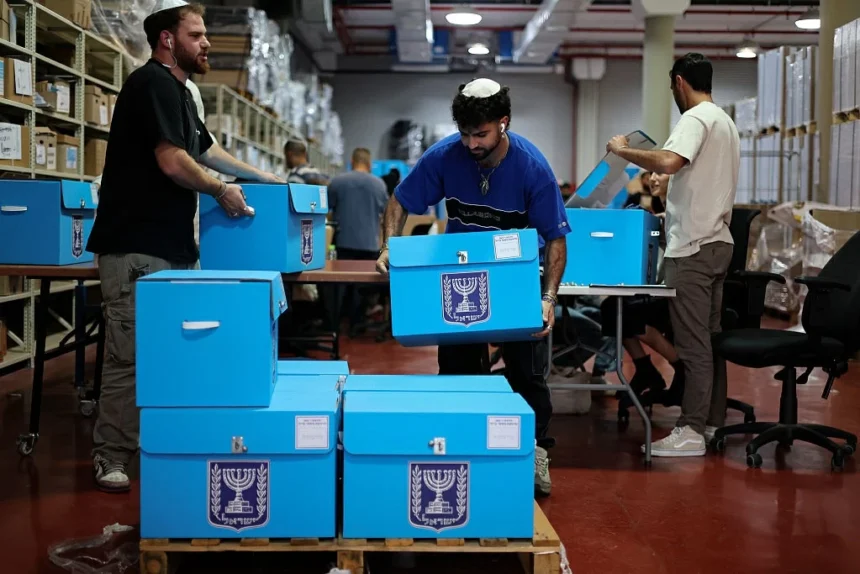
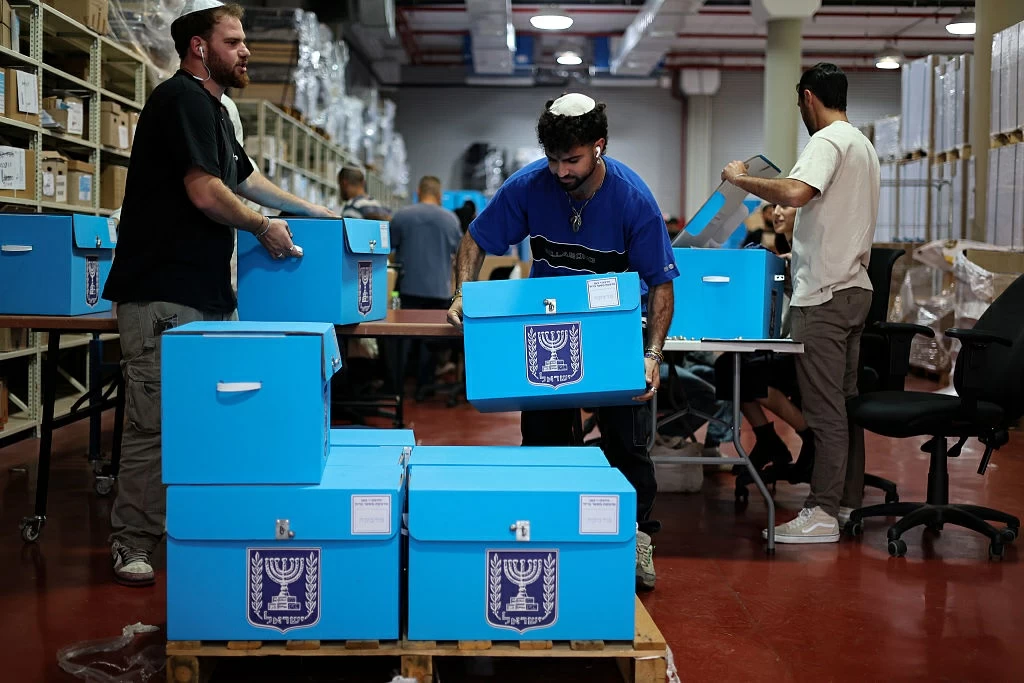
بدأت انتخابات الكنيست (البرلمان) الإسرائيلي، (الثلاثاء)، بمشاركة 36 قائمة حزبية تتنافس على 120 مقعداً، وسط تقارب في المنافسة بين معسكري رئيس الوزراء الإسرائيلي بنيامين نتنياهو وأبرز منافسيه رئيس الأركان السابق جادي آيزنكوت.
وفتحت مراكز التصويت أبوابها في الساعة السابعة صباحاً بتوقيت القدس (الخامسة صباحاً بتوقيت جرينتش)، على أن تستمر حتى العاشرة مساءً بالتوقيت المحلي (الثامنة مساء بتوقيت جرينتش)، فيما يبلغ عدد المسجلين في سجل الناخبين 7 ملايين و331 ألفاً و981 ناخباً.
وأفادت وسائل إعلام إسرائيلية، نقلاً عن لجنة الانتخابات، بأن أكثر من 95% من مراكز الاقتراع في الانتخابات العامة فتحت أبوابها.
ويواجه نتنياهو ائتلافاً من الأحزاب يسعى إلى إبعاده عن السلطة بعد سنوات طويلة في الحكم. وتلقي التوترات المستمرة مع إيران بظلالها على الانتخابات، إذ صعّد نتنياهو تهديداته ضد طهران قبيل التصويت، وفق ما نقلت «أسوشيتد برس».
وتأتي الانتخابات في وقت يواجه فيه نتنياهو محاكمة مستمرة بتهم فساد، إذ يتهمه معارضوه بتقويض استقلال القضاء وإضعاف الأسس الديمقراطية للدولة، فضلاً عن دعم نظام يسمح لليهود المتشددين دينياً بتجنب التجنيد في الجيش الإسرائيلي، رغم إلزامية الخدمة العسكرية.
وتضم إسرائيل دائرة انتخابية واحدة، ويجري التصويت وفق نظام التمثيل النسبي والقوائم المغلقة، إذ يختار الناخب قائمة حزبية بدلاً من التصويت مباشرة لرئيس الحكومة. وتبلغ نسبة الحسم (الحد الأدنى من الأصوات اللازمة لدخول الكنيست) 3.25% من مجموع الأصوات الصحيحة، فيما يحتاج أي ائتلاف إلى 61 مقعداً لضمان الأغلبية المطلقة في الكنيست.
وعند إغلاق صناديق الاقتراع في العاشرة مساءً، تُنشر استطلاعات العينة التلفزيونية، التي تقدم تقديرات أولية لتوزيع المقاعد ولا تمثل نتائج رسمية. وتستند إلى عينات من الناخبين واستطلاعات تُجرى يوم الانتخابات.
ويبدأ فرز الأصوات الرسمية بالتزامن مع إغلاق الصناديق، وتظهر النتائج الجزئية تدريجياً خلال الليل، قبل استكمال احتساب الأصوات الخاصة والتدقيق. ووفق الجدول الزمني الوارد في المعلومات الانتخابية، فإن الموعد القانوني الأقصى لنشر النتائج الرسمية هو 4 نوفمبر، مع احتمال اتضاح النتائج قبل ذلك.
وبعد إعلان النتائج، يجري الرئيس الإسرائيلي مشاورات مع ممثلي الأحزاب، ثم يكلّف أحد أعضاء الكنيست بتشكيل الحكومة. وتبلغ مهلة التكليف الأولية 28 يوماً، مع إمكانية تمديدها حتى 14 يوماً إضافياً، ولا يُمنح التكليف تلقائياً لزعيم الحزب الذي يحصل على أكبر عدد من المقاعد.
The Israeli Knesset (parliament) elections began on Tuesday, with 36 party lists competing for 120 seats, amid a close contest between the camp of Israeli Prime Minister Benjamin Netanyahu and his main rival, former Chief of Staff Gadi Eisenkot.
Polling stations opened at 7 AM Jerusalem time (5 AM GMT) and will remain open until 10 PM local time (8 PM GMT), with the number of registered voters in the electoral roll reaching 7,331,981.
Israeli media reported, citing the election committee, that more than 95% of polling stations in the general elections have opened their doors.
Netanyahu faces a coalition of parties seeking to remove him from power after many years in office. Ongoing tensions with Iran cast a shadow over the elections, as Netanyahu has escalated his threats against Tehran ahead of the voting, according to the Associated Press.
The elections come at a time when Netanyahu is facing an ongoing trial on corruption charges, with his opponents accusing him of undermining judicial independence and weakening the democratic foundations of the state, in addition to supporting a system that allows religiously conservative Jews to avoid conscription into the Israeli army, despite mandatory military service.
Israel has a single electoral district, and voting is conducted according to a proportional representation system with closed lists, where voters choose a party list instead of voting directly for a prime minister. The electoral threshold (the minimum number of votes required to enter the Knesset) is 3.25% of the total valid votes, while any coalition needs 61 seats to ensure an absolute majority in the Knesset.
When the polling stations close at 10 PM, television exit polls are published, providing preliminary estimates of seat distribution that do not represent official results. These are based on samples of voters and surveys conducted on election day.
The counting of official votes begins simultaneously with the closing of the polls, and partial results gradually appear throughout the night, before the counting of special votes and verification is completed. According to the timeline provided in the electoral information, the legal deadline for publishing official results is November 4, with the possibility of results becoming clear before that.
After the results are announced, the Israeli president consults with party representatives, then tasks one of the Knesset members with forming the government. The initial mandate period is 28 days, with the possibility of extending it for an additional 14 days, and the mandate is not automatically granted to the leader of the party that receives the most seats.