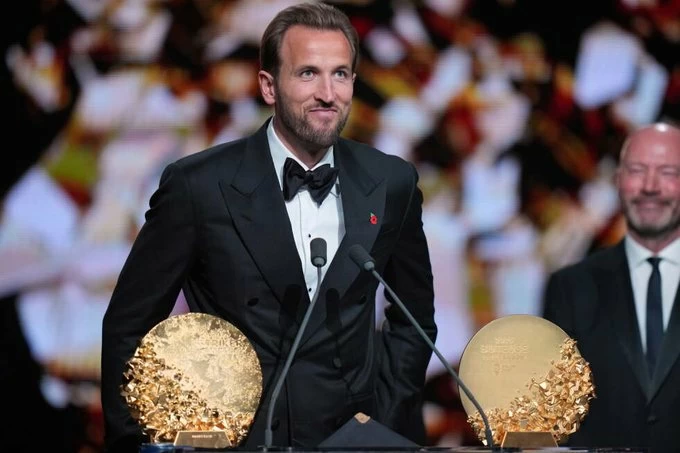
في مفارقة تاريخية، بدأ الإنجليزي ستانلي ماثيوز سجل الفائزين بالكرة الذهبية عام 1956، ليحصد مواطنه هاري كين الجائزة في عامها السبعين، خلال حفل أقيم في لندن للمرة الأولى خارج فرنسا.
ولم يكن اختيار العاصمة البريطانية لاستضافة حفل الاثنين مجرد تغيير في مكان الاحتفال، بل حمل دلالة رمزية؛ إذ جاء تكريما لماثيوز، أول من نال الجائزة التي أطلقتها مجلة «فرانس فوتبول» عام 1956 لتكريم أفضل لاعب كرة قدم في أوروبا.
وكان ماثيوز، جناح بلاكبول والمنتخب الإنجليزي، يبلغ 41 عاما عندما فاز بالنسخة الأولى، متقدما على الإسباني ألفريدو دي ستيفانو والفرنسي ريمون كوبا. واحتفظ اللاعب المخضرم بمكانته في تاريخ اللعبة بوصفه أول من حمل الجائزة، التي تحولت على مدار العقود التالية إلى أحد أبرز الأوسمة الفردية في كرة القدم العالمية.
وبعد سبعة عقود، انضم كين إلى قائمة قصيرة من اللاعبين الإنجليز الذين نالوا الكرة الذهبية، بعدما تفوق في تصويت عام 2026 على الفرنسي كيليان مبابي والإسباني لامين جمال. وجاء تتويجه بعد موسم تهديفي استثنائي مع بايرن ميونخ والمنتخب الإنجليزي، سجل خلاله 73 هدفا في مختلف المسابقات.
ولا تعني عودة الجائزة إلى إنجلترا أن كين هو ثاني لاعب إنجليزي يفوز بها بعد ماثيوز؛ فقد سبقه بوبي تشارلتون عام 1966، وكيفن كيغان في عامي 1978 و1979، ثم مايكل أوين عام 2001. وبذلك أصبح كين خامس إنجليزي يحرز الجائزة، والأول منذ ربع قرن.
وتكشف هذه القائمة عن محطات متباعدة في تاريخ الكرة الإنجليزية؛ من ماثيوز، الذي نال التكريم في السنوات الأولى للجائزة، إلى تشارلتون الذي ارتبط اسمه بإنجازات منتخب إنجلترا في ستينيات القرن الماضي، ثم كيغان وأوين، وصولا إلى كين الذي أعاد بلاده إلى قمة المنافسة الفردية بعد غياب طويل.
وخلال هذه الفترة، تغيرت كرة القدم نفسها، كما تطورت معايير الجائزة واتسع نطاق المنافسة عليها. فبعدما انطلقت لتكريم أفضل لاعب أوروبي، توسعت أهلية الترشح لاحقا لتشمل لاعبين من جنسيات مختلفة، قبل أن تصبح الجائزة مفتوحة عالميا منذ عام 2007. ومع صعود أجيال من النجوم في إسبانيا والأرجنتين والبرتغال وفرنسا، بات الفوز بها منافسة عالمية تتجاوز حدود المنتخبات والدوريات المحلية.
وتكتسب نسخة 2026 أهمية إضافية لأنها جمعت بين الاحتفال بمرور سبعين عاما على تأسيس الجائزة وعودة الحفل إلى إنجلترا، في إشارة مباشرة إلى صاحب أول تتويج. وهكذا التقى اسمان إنجليزيان يفصل بينهما سبعة عقود: ماثيوز الذي افتتح سجل الفائزين، وكين الذي أعاد الجائزة إلى بلاده في محطة جديدة من تاريخها.
وبين البداية والنهاية الرمزية، تروي الكرة الذهبية قصة تحول من جائزة أوروبية محدودة النطاق إلى تكريم عالمي يتنافس عليه أبرز نجوم اللعبة، فيما منحت عودة الجائزة إلى لاعب إنجليزي في عامها السبعين المناسبة بعدا تاريخيا يتجاوز اسم الفائز وحده.
In a historical paradox, Englishman Stanley Matthews began the list of Ballon d’Or winners in 1956, with his compatriot Harry Kane receiving the award in its seventieth year, during a ceremony held in London for the first time outside France.
The choice of the British capital to host Monday’s ceremony was not merely a change of venue but carried symbolic significance; it was a tribute to Matthews, the first recipient of the award launched by “France Football” in 1956 to honor the best football player in Europe.
Matthews, a winger for Blackpool and the England national team, was 41 years old when he won the inaugural edition, surpassing Spaniard Alfredo Di Stéfano and Frenchman Raymond Kopa. The veteran player maintained his place in the history of the game as the first to hold the award, which over the following decades transformed into one of the most prestigious individual honors in global football.
After seven decades, Kane joined a short list of English players who have won the Ballon d’Or, having triumphed in the 2026 voting over Frenchman Kylian Mbappé and Spaniard Lamine Yamal. His crowning came after an exceptional scoring season with Bayern Munich and the England national team, during which he scored 73 goals in various competitions.
The return of the award to England does not mean that Kane is the second English player to win it after Matthews; he was preceded by Bobby Charlton in 1966, Kevin Keegan in 1978 and 1979, and then Michael Owen in 2001. Thus, Kane became the fifth Englishman to win the award, and the first in a quarter of a century.
This list reveals distant milestones in the history of English football; from Matthews, who received the honor in the early years of the award, to Charlton, whose name is associated with the achievements of the England national team in the 1960s, then Keegan and Owen, leading to Kane, who has brought his country back to the pinnacle of individual competition after a long absence.
During this period, football itself has changed, as have the criteria for the award and the scope of competition for it. Initially launched to honor the best European player, eligibility for nomination later expanded to include players of different nationalities, before the award became globally open in 2007. With the rise of generations of stars from Spain, Argentina, Portugal, and France, winning it has become a global competition that transcends national teams and local leagues.
The 2026 edition holds additional significance as it combined the celebration of seventy years since the establishment of the award with the return of the ceremony to England, in direct reference to the first winner. Thus, two English names met separated by seven decades: Matthews, who opened the winners’ list, and Kane, who brought the award back to his country in a new chapter of its history.
Between the symbolic beginning and end, the Ballon d’Or tells a story of transformation from a limited European award to a global honor contested by the game’s top stars, while the return of the award to an English player in its seventieth year gives the occasion a historical dimension that goes beyond just the name of the winner.