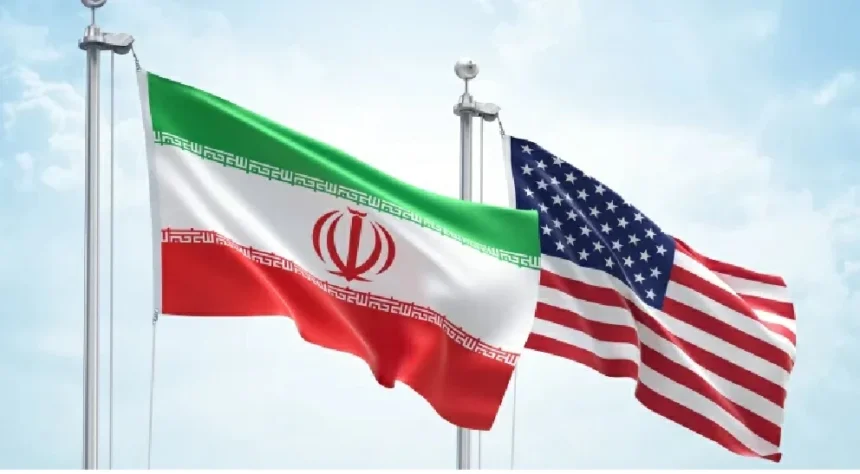
فيما تتسارع الجهود الدبلوماسية لمنع تجدد المواجهة العسكرية بين الولايات المتحدة وإيران، كشف مسؤول مطلع أن الوسطاء القطريين سلّموا طهران، (الأحد) الماضي، مسودة اتفاق جديدة تهدف إلى وقف الحرب وتهيئة الظروف لاستئناف المسار التفاوضي.
وأفاد المسؤول، اليوم (الأربعاء)، بأن إيران تدرس المقترح، متوقعاً أن تقدم ردها نهاية الأسبوع، وأفصح أن مسودة الاتفاق تتضمن إطاراً زمنياً مدته سبعة أيام لمعالجة مخاوف الطرفين، مع اتخاذ خطوات يومية لبناء الثقة، على أن يبدأ تنفيذ الجدول الزمني مطلع الأسبوع القادم إذا تم التوصل إلى تفاهم. وأضاف أن الاتفاق المقترح سيحظى بضمانات من عدة دول، في مسعى لتعزيز فرص الالتزام ببنوده ومنع انهياره، غير أن هويات الدول الضامنة والتفاصيل النهائية للآليات التنفيذية لم تُعلن بعد.
هرمز والنووي في صلب التفاوض
وتشير التحركات الدبلوماسية الأخيرة إلى أن إعادة فتح مضيق هرمز أمام الملاحة الدولية، وتخفيف العقوبات الأمريكية، والملف النووي الإيراني، تمثل أبرز نقاط الخلاف بين الجانبين. وكانت طهران طرحت خطة من سبعة أيام تربط استعادة حركة الملاحة بتلبية شروطها، فيما تسعى واشنطن إلى ضمانات إضافية بشأن البرنامج النووي وإتاحة المجال أمام الرقابة الدولية على المنشآت المتضررة.
وتتمحور إحدى العقد الأساسية حول ترتيب الخطوات المتبادلة؛ إذ تريد كل جهة ضمان تنفيذ الطرف الآخر التزاماته قبل تقديم تنازلات جوهرية. كما تبرز ملفات العقوبات والأصول الإيرانية المجمدة والحصار البحري ضمن القضايا التي تحتاج إلى تفاهمات واضحة.
مخاوف من ضربة جديدة
وتأتي المبادرة وسط تصاعد التهديدات العسكرية، بعدما أشار الرئيس الأمريكي دونالد ترمب إلى احتمال استئناف الضربات، فيما تزايدت المخاوف من تحرك إسرائيلي جديد ضد إيران. ونقلت تقارير عن مسؤول مطلع وجود مخاوف، قبل اجتماع (الأحد)، من أن يأمر رئيس الوزراء الإسرائيلي بنيامين نتنياهو بشن هجمات خلال الأسبوع الجاري.
وفي موازاة الوساطة القطرية، تتواصل تحركات إقليمية تشارك فيها السعودية وتركيا وباكستان لخفض التصعيد، وسط تحذيرات قطرية من أن نجاح جهود الوساطة يتطلب خطوات إيرانية ملموسة، بينها وقف تهديد دول الخليج وضمان حرية الملاحة في مضيق هرمز. ورغم أن المسودة تفتح نافذة جديدة أمام الحل الدبلوماسي، فإن نجاحها سيظل رهناً بموافقة الطرفين على آليات التنفيذ والضمانات، وقدرتهما على تجاوز الخلافات النووية والاقتصادية والأمنية. وحتى صدور رد طهران، يبقى الاتفاق المقترح خطوة تفاوضية غير نهائية، لا ضمانة مؤكدة لوقف الحرب.
As diplomatic efforts accelerate to prevent a renewed military confrontation between the United States and Iran, an informed official revealed that Qatari mediators delivered a new draft agreement to Tehran last Sunday aimed at halting the war and creating conditions for resuming the negotiation process.
The official stated today (Wednesday) that Iran is considering the proposal, expecting to provide its response by the end of the week. He disclosed that the draft agreement includes a seven-day timeline to address the concerns of both parties, with daily steps to build trust, and that the timeline would begin to be implemented at the start of next week if an understanding is reached. He added that the proposed agreement would be backed by guarantees from several countries, in an effort to enhance the chances of adherence to its terms and prevent its collapse, although the identities of the guaranteeing countries and the final details of the implementation mechanisms have not yet been announced.
The Strait of Hormuz and Nuclear Issues at the Core of Negotiations
Recent diplomatic moves indicate that reopening the Strait of Hormuz to international navigation, easing U.S. sanctions, and the Iranian nuclear file represent the main points of contention between the two sides. Tehran had proposed a seven-day plan linking the restoration of navigation to meeting its conditions, while Washington seeks additional guarantees regarding the nuclear program and allowing international oversight of the affected facilities.
One of the key sticking points revolves around arranging reciprocal steps; each side wants to ensure that the other fulfills its commitments before making substantial concessions. Issues such as sanctions, frozen Iranian assets, and maritime blockade also emerge as matters that require clear understandings.
Concerns of a New Strike
The initiative comes amid rising military threats, after U.S. President Donald Trump indicated the possibility of resuming strikes, while fears of a new Israeli move against Iran have increased. Reports from an informed official indicated concerns, prior to the Sunday meeting, that Israeli Prime Minister Benjamin Netanyahu might order attacks during this week.
Alongside the Qatari mediation, regional efforts involving Saudi Arabia, Turkey, and Pakistan continue to de-escalate tensions, amid Qatari warnings that the success of mediation efforts requires tangible Iranian steps, including halting threats to Gulf countries and ensuring freedom of navigation in the Strait of Hormuz. Although the draft opens a new window for a diplomatic solution, its success will remain contingent upon both parties’ agreement on implementation mechanisms and guarantees, as well as their ability to overcome nuclear, economic, and security disagreements. Until Tehran’s response is issued, the proposed agreement remains a non-final negotiating step, with no guaranteed assurance of halting the war.