أكّد أمير منطقة نجران الأمير جلوي بن عبدالعزيز بن مساعد، ما توليه القيادة الرشيدة -حفظها الله- من دعم غير محدود لرعاية التراث الوطني والمحافظة عليه، مشيرًا إلى ما تزخر به المنطقة من مواقع تاريخية وثقافية ومخزون ثري من التراث العمراني.
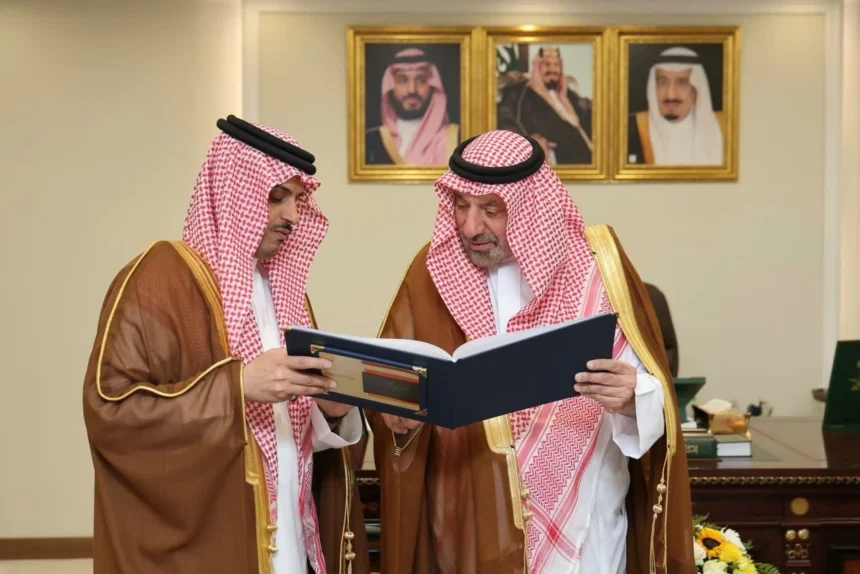
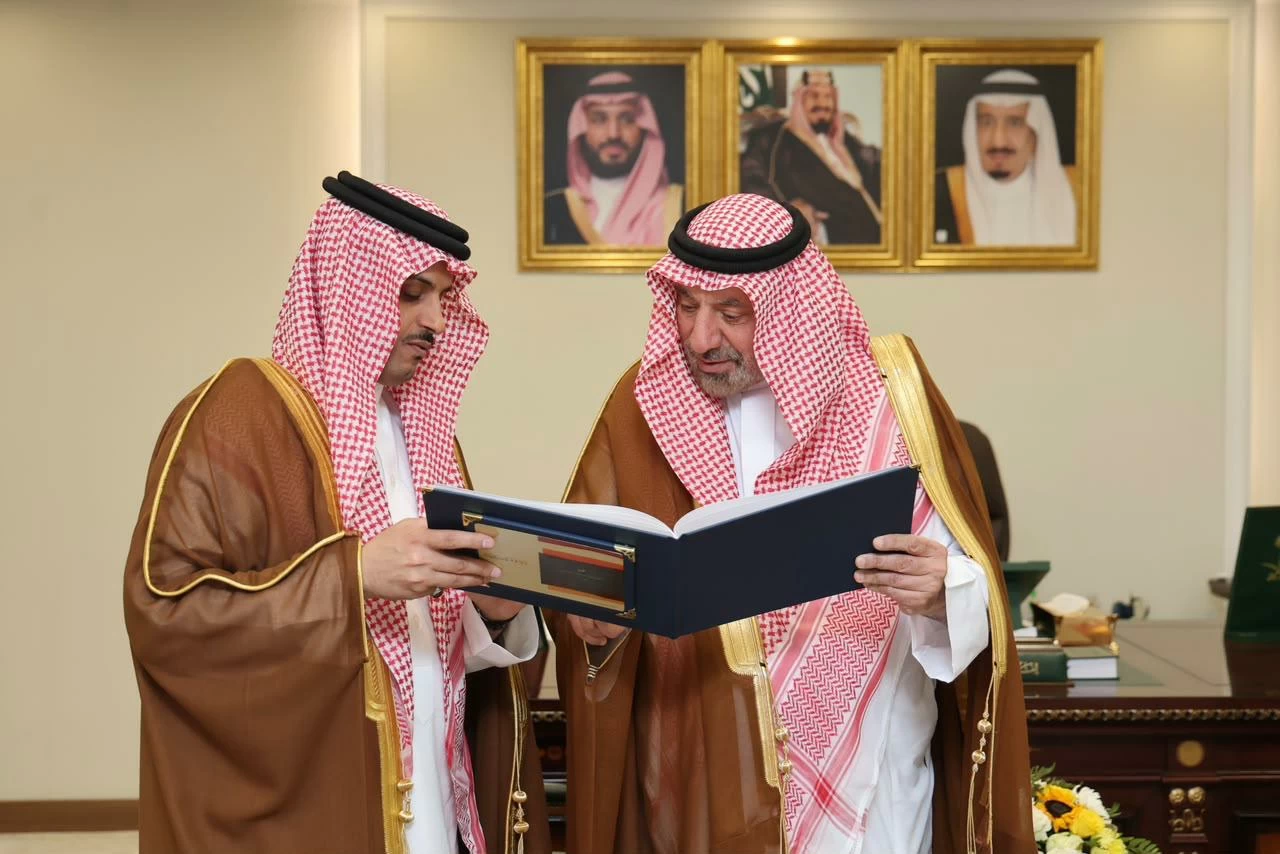
جاء ذلك خلال لقائه في مكتبه، مدير فرع هيئة التراث بمنطقة نجران حمد بن مانع أبوساق، وعددًا من منسوبي الفرع.
واطّلع أمير نجران على تقرير عن أعمال المسح والتنقيب الأثري في المنطقة، التي نفذتها هيئة التراث خلال عام 2026، وشملت الأعمال مشروعًا للمسح والتوثيق الأثري في محافظة ثار؛ بهدف استكمال حصر المواقع الأثرية وتوثيقها وفق أحدث المعايير العلمية، وبناء قاعدة بيانات وطنية للمواقع الأثرية والتراثية.
وأسفرت أعمال هذا الموسم عن العثور على عدد من القطع الأثرية المتنوعة في مواد صنعها وأشكالها وأغراض استخدامها، ومنها المصنوعات الفخارية والمنحوتات الحجرية والمصنوعات المعدنية.
من جانبه، أوضح مدير فرع الهيئة أن منطقة نجران شهدت حتى الآن تنفيذ 15 موسمًا من أعمال التنقيب العلمي، بمشاركة فريق من المتخصصين والكوادر الوطنية في هيئة التراث، إلى جانب متعاونين ومتطوعين وخبراء أكاديميين من عدة جامعات سعودية.
وأشار إلى أن هذه المشاريع أسهمت في اكتشاف مواقع أثرية جديدة وتوثيقها، وتسجيل 9118 عنصرًا أثريًا متنوعًا، شملت مواقع الاستيطان والفنون الصخرية والنقوش الكتابية والمنشآت الحجرية والمدافن وطرق القوافل التاريخية، كما أسهمت في الكشف عن أساسات وحدات معمارية جديدة داخل مدينة الأخدود، وعن الجزء المتبقي من سور حصن الأخدود.
The Emir of Najran, Prince Jalwa bin Abdulaziz bin Musaid, confirmed the unlimited support that the wise leadership – may Allah protect it – provides for the care and preservation of national heritage, pointing to the rich historical and cultural sites and the abundant wealth of architectural heritage in the region.
This came during his meeting in his office with the Director of the Heritage Authority branch in Najran, Hamad bin Mani Abusaq, and a number of branch staff.
The Emir of Najran reviewed a report on the archaeological survey and excavation works in the region, which were carried out by the Heritage Authority during the year 2026. The works included a project for archaeological survey and documentation in the Al-Thar governorate; aimed at completing the inventory of archaeological sites and documenting them according to the latest scientific standards, and building a national database for archaeological and heritage sites.
The works of this season resulted in the discovery of a number of diverse archaeological pieces in terms of their materials, shapes, and purposes of use, including pottery, stone carvings, and metal artifacts.
For his part, the director of the authority branch explained that the Najran region has witnessed the implementation of 15 seasons of scientific excavation works so far, with the participation of a team of specialists and national cadres from the Heritage Authority, along with collaborators, volunteers, and academic experts from several Saudi universities.
He pointed out that these projects have contributed to the discovery of new archaeological sites and their documentation, and the registration of 9,118 diverse archaeological elements, including settlement sites, rock art, inscriptions, stone structures, tombs, and historical caravan routes. They also contributed to revealing the foundations of new architectural units within the city of Al-Akhudud, and the remaining part of the wall of Al-Akhudud Fort.