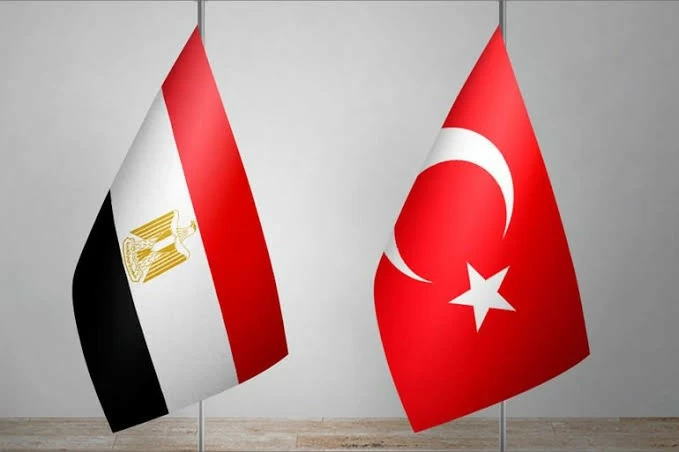
جددت وزارة الدفاع التركية استعداد بلادها لإبرام اتفاق مع مصر لترسيم مناطق الاختصاص البحري في شرق البحر المتوسط، معتبرةً أن الاتفاق المحتمل قد يمنح القاهرة أكثر من 15 ألف كيلومتر مربع إضافية من المناطق البحرية، مقارنة باتفاق محتمل يمكن أن تبرمه مع اليونان.
وبحسب موقع «turkiyetoday» جاء الموقف التركي، اليوم (الأربعاء)، في تصريحات لمصادر بوزارة الدفاع رداً على أسئلة الصحفيين عقب الإحاطة الإعلامية الأسبوعية للوزارة، التي رحبت أيضاً بموافقة مجلس النواب الليبي على مذكرة التفاهم البحرية الموقعة بين تركيا وليبيا عام 2019.
وأكدت المصادر أن أي اتفاق لترسيم الحدود البحرية ينبغي أن يراعي الحقوق والمصالح المشروعة للدول الساحلية، وأن يسهم في تعزيز الاستقرار الإقليمي.
أنقرة تجدد عرضها على القاهرة
وقالت مصادر وزارة الدفاع التركية إن أنقرة مستعدة لتوقيع اتفاقاً مع مصر بشأن تحديد مناطق الاختصاص البحري، على أساس المصالح المتبادلة.
وأضافت أن التقديرات التركية تشير إلى أن إبرام القاهرة اتفاقاً مع أنقرة قد يمنح مصر أكثر من 15 ألف كيلومتر مربع إضافياً من الاختصاص البحري، مقارنة باتفاق محتمل مع اليونان.
وشددت الوزارة على أن تركيا ستواصل الدفاع عن حقوقها ومصالحها في شرق المتوسط، في إطار القانون الدولي، مع العمل على دعم السلام والأمن والاستقرار في المنطقة.
ولم يتضمن التصريح التركي إعلاناً عن مفاوضات رسمية جديدة بين القاهرة وأنقرة أو التوصل إلى اتفاق، بل جاء في إطار تجديد الاستعداد التركي للتفاوض.
خلافات سابقة بشأن الاتفاق التركي الليبي
وكانت مصر قد أبدت اعتراضات على اتفاق ترسيم الحدود البحرية الموقع بين تركيا وليبيا عام 2019، بسبب مخاوف تتعلق بحقوقها البحرية والحدود التي أعلنتها.
وفي المقابل، دافع وزير الخارجية التركي هاكان فيدان عن الاتفاق، واصفاً إياه بأنه مشروع من الناحيتين القانونية والسياسية، ومؤكداً أن بلاده تسعى إلى إطلاق مبادرات دبلوماسية لتعزيز السلام والأمن والاستقرار والازدهار في منطقة البحر المتوسط.
ويعكس تجدد العرض التركي استمرار التباينات بشأن ترسيم المناطق البحرية في شرق المتوسط، حيث تتداخل المطالب البحرية والمصالح الاقتصادية والحسابات الجيوسياسية لعدد من دول المنطقة.
البرلمان الليبي يوافق على مذكرة التفاهم البحرية
ورحبت وزارة الدفاع التركية بموافقة مجلس النواب الليبي، في 20 أكتوبر، على مذكرة التفاهم البحرية الموقعة بين أنقرة وطرابلس، ووصفت الخطوة بأنها تطور يدعم الموقف التركي القائم، بحسب تعبيرها، على القانون الدولي ومبادئ الإنصاف.
ووقعت تركيا وليبيا المذكرة في إسطنبول يوم 27 نوفمبر 2019، خلال محادثات جمعت الرئيس التركي رجب طيب أردوغان ورئيس حكومة الوفاق الوطني الليبية آنذاك فائز السراج.
ووقع الاتفاق رسمياً وزيرا خارجية البلدين في ذلك الوقت، مولود جاويش أوغلو ومحمد الطاهر سيالة، ودخل حيز التنفيذ في 8 ديسمبر 2019، وفق سجل المعاهدات التابع للأمم المتحدة.
وحظيت موافقة البرلمان الليبي بدعم مؤسسات وشخصيات سياسية ليبية، فيما دافع رئيس مجلس النواب الليبي، صالحين عبد النبي، عن القرار، واصفاً إياه بأنه قرار سيادي يتوافق مع القانون الدولي ويحمي مصالح ليبيا.
اعتراضات يونانية وأوروبية
وأثار الاتفاق التركي الليبي انتقادات من اليونان والاتحاد الأوروبي، في ظل الخلافات القائمة بشأن ترسيم الحدود البحرية ومناطق الاختصاص الاقتصادي في شرق المتوسط.
وتؤكد أنقرة باستمرار دعمها لوحدة ليبيا والحوار السياسي والاستقرار، فيما تظل قضايا ترسيم الحدود البحرية من الملفات التي تتقاطع فيها المصالح الإقليمية مع التفسيرات المختلفة للقانون الدولي.
The Turkish Ministry of Defense renewed its country’s readiness to conclude an agreement with Egypt to delineate maritime jurisdiction areas in the eastern Mediterranean, considering that the potential agreement could grant Cairo more than 15,000 square kilometers of additional maritime areas, compared to a potential agreement it could reach with Greece.
According to the website “turkiyetoday,” the Turkish position came today (Wednesday) in statements from sources at the Ministry of Defense in response to journalists’ questions following the ministry’s weekly media briefing, which also welcomed the Libyan House of Representatives’ approval of the maritime memorandum of understanding signed between Turkey and Libya in 2019.
The sources confirmed that any agreement to delineate maritime borders should take into account the legitimate rights and interests of coastal states and contribute to enhancing regional stability.
Ankara Renews Its Offer to Cairo
Turkish Ministry of Defense sources stated that Ankara is ready to sign an agreement with Egypt regarding the determination of maritime jurisdiction areas, based on mutual interests.
They added that Turkish estimates indicate that Cairo concluding an agreement with Ankara could grant Egypt more than 15,000 square kilometers of additional maritime jurisdiction, compared to a potential agreement with Greece.
The ministry emphasized that Turkey will continue to defend its rights and interests in the eastern Mediterranean within the framework of international law, while working to support peace, security, and stability in the region.
The Turkish statement did not include an announcement of new formal negotiations between Cairo and Ankara or reaching an agreement, but rather came as a renewal of Turkey’s readiness to negotiate.
Previous Disputes Regarding the Turkish-Libyan Agreement
Egypt had expressed objections to the maritime border delineation agreement signed between Turkey and Libya in 2019, due to concerns regarding its maritime rights and the borders it declared.
In contrast, Turkish Foreign Minister Hakan Fidan defended the agreement, describing it as legitimate from both legal and political perspectives, and affirming that his country seeks to launch diplomatic initiatives to enhance peace, security, stability, and prosperity in the Mediterranean region.
The renewal of the Turkish offer reflects the ongoing disparities regarding the delineation of maritime areas in the eastern Mediterranean, where maritime claims, economic interests, and geopolitical calculations of several countries in the region intersect.
The Libyan Parliament Approves the Maritime Memorandum of Understanding
The Turkish Ministry of Defense welcomed the Libyan House of Representatives’ approval, on October 20, of the maritime memorandum of understanding signed between Ankara and Tripoli, describing the step as a development that supports the existing Turkish position, which it claims is based on international law and principles of fairness.
Turkey and Libya signed the memorandum in Istanbul on November 27, 2019, during talks between Turkish President Recep Tayyip Erdoğan and the then Prime Minister of the Libyan Government of National Accord, Fayez al-Sarraj.
The agreement was officially signed by the foreign ministers of both countries at that time, Mevlüt Çavuşoğlu and Mohamed Taher Siala, and it came into effect on December 8, 2019, according to the United Nations treaty registry.
The approval of the Libyan parliament received support from Libyan institutions and political figures, while the Speaker of the Libyan House of Representatives, Saleh Abdul Nabi, defended the decision, describing it as a sovereign decision that complies with international law and protects Libya’s interests.
Greek and European Objections
The Turkish-Libyan agreement has drawn criticism from Greece and the European Union, amid ongoing disputes regarding the delineation of maritime borders and economic jurisdiction areas in the eastern Mediterranean.
Ankara consistently affirms its support for the unity of Libya, political dialogue, and stability, while issues of maritime border delineation remain among the files where regional interests intersect with differing interpretations of international law.