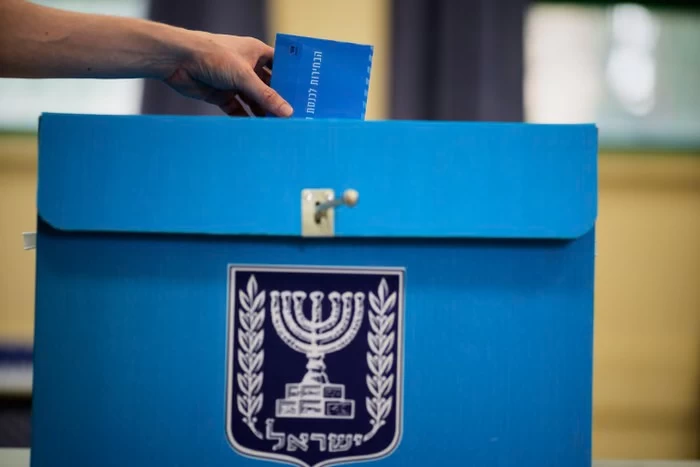
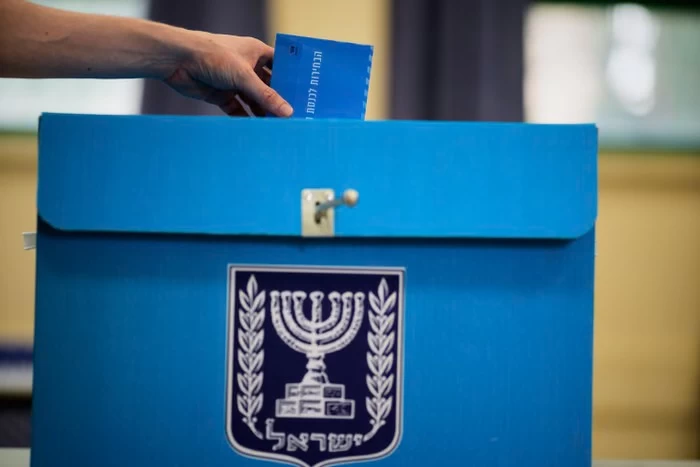
دخلت إسرائيل مرحلة جديدة من الغموض السياسي، بعدما أظهرت النتائج الأولية للانتخابات البرلمانية فرز نحو 91% من الأصوات، مع توقعات بحصول معسكر رئيس الوزراء بنيامين نتنياهو على 53 مقعدًا، مقابل 48 مقعدًا للمعسكر المعارض بقيادة غادي آيزنكوت، فيما تتجه الأحزاب العربية إلى تحقيق نتيجة قياسية تبلغ 19 مقعدًا في الكنيست.
وبحسب صحيفة «الغاريان» لا يُتوقع أن تؤدي عملية فرز الأصوات الغيابية المتبقية إلى تغيير جوهري في النتائج، ما يعني أن أيًا من المعسكرين الرئيسيين لن يتمكن بمفرده من بلوغ عتبة الأغلبية البرلمانية البالغة 61 مقعدًا من أصل 120.
وتفتح هذه النتائج الباب أمام أسابيع من المفاوضات السياسية المعقدة، في ظل سعي المعسكرين إلى حشد الدعم اللازم لتشكيل الحكومة المقبلة، وسط تساؤلات بشأن استعداد أحزاب المعارضة اليهودية للتحالف مع الأحزاب العربية لإنهاء حكم نتنياهو.
مفاوضات الائتلاف تبدأ الخميس
وفي مؤشر على بدء التحركات الرسمية لتشكيل الحكومة، أعلن يائير غولان، زعيم حزب الديمقراطيين المنتمي إلى يسار الوسط والشريك الأصغر في معسكر آيزنكوت، أنه سيجتمع مع عدد من القادة السياسيين الخميس لبحث ترتيبات تشكيل الائتلاف الحكومي.
وبحسب صحيفة «تايمز أوف إسرائيل»، من المقرر أن يجري غولان محادثات مع غادي آيزنكوت، الذي يقود المعسكر المعارض ويرأس حزب «ياشار»، ويائير لابيد، القيادي في حزب «بياحاد» المعارض.
ويمثل هذا التحرك بداية رسمية لمفاوضات الائتلاف، في وقت يُعد فيه غولان، القائد المعارض الوحيد الذي أعلن حتى ذلك الحين تأييده للتعاون مع الأحزاب التي يمثلها المواطنون الفلسطينيون في إسرائيل.
وتتوقف الحسابات السياسية المقبلة على إمكانية التوصل إلى تفاهمات بين القوى المعارضة والأحزاب العربية، بما يسمح بتشكيل حكومة بديلة أو تقديم دعم برلماني لحكومة أقلية.
الأحزاب العربية تحقق نتيجة قياسية
برزت الأحزاب العربية بوصفها أحد أبرز الفائزين في الانتخابات، مع توقع حصولها على 19 مقعدًا، في نتيجة غير مسبوقة وفقًا للتقرير، تمنحها قدرة مؤثرة في تحديد هوية الحكومة المقبلة.
وقال يوسف جبارين، رئيس القائمة المشتركة ذات القاعدة العربية، إن الناخبين الإسرائيليين صوّتوا من أجل قيادة جديدة، مؤكدًا أن أي طرف يسعى إلى تقديم بديل حقيقي لحكومة نتنياهو سيتعين عليه الدخول في حوار مع الأحزاب العربية.
وأضاف جبارين، في تصريحات لوكالة الصحافة الفرنسية، أنه مستعد للتعاون مع حكومة تقودها المعارضة بهدف إزاحة نتنياهو، لكنه لا يؤيد بالضرورة الانضمام رسميًا إلى ائتلاف حكومي.
وقد يتيح الدعم البرلماني للأحزاب العربية لآيزنكوت وحلفائه تشكيل حكومة أقلية، غير أن استمرار مثل هذه الحكومة وقدرتها على الصمود أمام الخلافات السياسية يظلان موضع شك.
وفي المقابل، يواجه معسكر المعارضة اختبارًا حاسمًا، إذ يتعين عليه الاختيار بين إبرام تفاهم مع الأحزاب العربية والاستفادة من مقاعدها، أو المخاطرة بمنح نتنياهو فرصة جديدة للبقاء في المشهد السياسي عبر انتخابات مبكرة أو حكومة وحدة وطنية.
هرتسوغ يحذر من انتخابات جديدة
من جانبه، أعرب الرئيس الإسرائيلي إسحاق هرتسوغ عن أمله في أن تتمكن القوى السياسية من تجنب إجراء انتخابات برلمانية جديدة، في ظل تعثر فرص تشكيل حكومة تحظى بأغلبية واضحة.
وقال هرتسوغ إنه يتعين على جميع الأطراف بذل كل ما في وسعها لتجنب جولة انتخابية أخرى، داعيًا الأحزاب إلى التحلي بالمرونة والانفتاح على الخيارات المتاحة.
ويملك الرئيس الإسرائيلي صلاحية تكليف المرشح الذي يراه الأقدر على تشكيل الحكومة، بعد المشاورات السياسية اللازمة، ما يجعله طرفًا محوريًا في المرحلة المقبلة.
وتأتي هذه التطورات بعدما أظهرت النتائج الأولية فقدان نتنياهو الأغلبية التي يحتاج إليها لمواصلة الحكم، الأمر الذي يجعل مستقبله السياسي مرتبطًا إلى حد كبير بمواقف الأحزاب المعارضة ومدى استعدادها للتعاون مع القوى العربية.
اتهامات من حزب الليكود وشكاوى بشأن نزاهة الانتخابات
في سياق متصل، أعلنت لجنة الانتخابات المركزية الإسرائيلية تلقيها شكوى من حزب الليكود، الذي يتزعمه نتنياهو، تتهم الأحزاب العربية بالمساس بنزاهة العملية الانتخابية، مؤكدة أنها ستفحص الادعاءات ضمن إجراءات المراجعة المعتادة التي تعقب الانتخابات.
وجاءت الشكوى بعدما أظهرت النتائج الجزئية احتمال اضطلاع الأحزاب العربية بدور حاسم في تحديد هوية الحكومة المقبلة.
واتهم حزب الليكود الأحزاب العربية،بـ«سرقة» الانتخابات، مطالبًا الشرطة وجهاز الأمن الداخلي الإسرائيلي «الشاباك» بالتحقيق في هذه المزاعم.
وتلقي هذه الاتهامات بظلالها على المفاوضات المرتقبة، في وقت قد تتطلب فيه عملية تشكيل الحكومة تفاهمات سياسية غير مسبوقة بين قوى يهودية وعربية.
هآرتس تدعو المعارضة إلى التحالف مع الأحزاب العربية
وفي سياق الجدل بشأن مستقبل الحكومة، نشرت صحيفة «هآرتس» الإسرائيلية افتتاحية دعت فيها معسكر المعارضة إلى تشكيل حكومة بالتعاون مع الأحزاب العربية.
وأشارت الصحيفة إلى أن مجموع مقاعد معسكر آيزنكوت والأحزاب العربية يُتوقع أن يصل إلى 67 مقعدًا، وهو عدد يتجاوز الأغلبية المطلوبة لتشكيل الحكومة، إذا توافرت التفاهمات السياسية اللازمة.
واعتبرت الافتتاحية أن النتائج تمثل إنجازًا غير مسبوق للمجتمع العربي، الذي صوّت بأعداد كبيرة لصالح الشراكة السياسية، رغم التحديات والتحفظات المرتبطة بالمشاركة الانتخابية، وما وصفته الصحيفة بحملة تحريض عنصرية.
وحذرت «هآرتس» من أن تجاهل المقاعد العربية لمجرد أنها جاءت بأصوات الناخبين العرب سيكون بمثابة إهانة للمواطنين الذين شاركوا بكثافة في الانتخابات دعمًا للاندماج والشراكة السياسية.
الأمم المتحدة تدعو الحكومة المقبلة إلى تغيير المسار
على الصعيد الدولي، أعرب مفوض الأمم المتحدة السامي لحقوق الإنسان فولكر تورك عن أمله في أن تتبنى الحكومة الإسرائيلية المقبلة تغييرًا جوهريًا في سياساتها، وأن تلتزم بالقانون الدولي.
وقال تورك، خلال حديثه إلى الصحفيين في نيويورك، إن على إسرائيل احترام التزاماتها بموجب القانون الدولي والقانون الدولي الإنساني والقانون الدولي لحقوق الإنسان.
وأضاف أن الحكومة المقبلة ينبغي أن تغير مسارها بصورة كبيرة، وألا تستمر في النهج العسكري الذي اعتبر أنه يتعامل مع الالتزامات الدولية كما لو كانت غير ملزمة.
وتضع هذه التصريحات ملف السياسات الأمنية والعسكرية الإسرائيلية ضمن القضايا التي قد تواجه الحكومة المقبلة ضغوطًا دولية بشأنها، بالتزامن مع الأزمة السياسية الداخلية التي كشفت عنها نتائج الانتخابات.
ومع استمرار فرز الأصوات واستعداد الأحزاب لبدء المفاوضات، تبقى إسرائيل أمام مرحلة سياسية مفتوحة على عدة سيناريوهات، تتراوح بين تشكيل ائتلاف معارض بدعم عربي، أو حكومة أقلية، أو حكومة وحدة وطنية، وصولًا إلى احتمال إجراء انتخابات جديدة إذا أخفقت القوى السياسية في التوصل إلى اتفاق.
Israel has entered a new phase of political uncertainty, as the preliminary results of the parliamentary elections show that about 91% of the votes have been counted, with expectations that Prime Minister Benjamin Netanyahu’s camp will secure 53 seats, compared to 48 seats for the opposition camp led by Gadi Eisenkot, while the Arab parties are set to achieve a record result of 19 seats in the Knesset.
According to the Guardian newspaper, it is not expected that the counting of the remaining absentee ballots will lead to a significant change in the results, meaning that neither of the two main camps will be able to reach the parliamentary majority threshold of 61 seats out of 120 on their own.
These results open the door to weeks of complex political negotiations, as both camps seek to gather the necessary support to form the next government, amid questions about the willingness of Jewish opposition parties to ally with Arab parties to end Netanyahu’s rule.
Coalition negotiations begin Thursday
In a sign that official moves to form a government are underway, Yair Golan, leader of the center-left Democratic Party and the smaller partner in Eisenkot’s camp, announced that he will meet with several political leaders on Thursday to discuss arrangements for forming the coalition government.
According to the Times of Israel, Golan is scheduled to hold talks with Gadi Eisenkot, who leads the opposition camp and heads the Yashar party, and Yair Lapid, a leader in the opposition Yesh Atid party.
This move represents the official beginning of coalition negotiations, at a time when Golan is the only opposition leader who has publicly expressed support for cooperating with the parties representing Palestinian citizens in Israel.
Future political calculations depend on the possibility of reaching understandings between the opposition forces and the Arab parties, allowing for the formation of an alternative government or providing parliamentary support for a minority government.
Arab parties achieve a record result
The Arab parties have emerged as one of the major winners in the elections, with expectations of securing 19 seats, an unprecedented result according to the report, granting them significant influence in determining the identity of the next government.
Yousef Jabareen, head of the Joint List with an Arab base, stated that Israeli voters voted for new leadership, emphasizing that any party seeking to provide a real alternative to Netanyahu’s government will have to engage in dialogue with the Arab parties.
Jabareen added, in statements to Agence France-Presse, that he is ready to cooperate with an opposition-led government aimed at ousting Netanyahu, but he does not necessarily support officially joining a government coalition.
Parliamentary support from the Arab parties could allow Eisenkot and his allies to form a minority government, but the sustainability of such a government and its ability to withstand political disagreements remain in doubt.
Conversely, the opposition camp faces a critical test, as it must choose between reaching an understanding with the Arab parties and benefiting from their seats, or risking giving Netanyahu a new opportunity to remain in the political scene through early elections or a national unity government.
Herzog warns of new elections
For his part, Israeli President Isaac Herzog expressed hope that political forces could avoid holding new parliamentary elections, amid the stalled prospects of forming a government with a clear majority.
Herzog stated that all parties must do everything in their power to avoid another electoral round, calling on the parties to be flexible and open to available options.
The Israeli president has the authority to appoint the candidate he deems most capable of forming the government, after the necessary political consultations, making him a key player in the upcoming phase.
These developments come after preliminary results showed that Netanyahu has lost the majority he needs to continue ruling, which means his political future is largely dependent on the positions of the opposition parties and their willingness to cooperate with Arab forces.
Accusations from Likud and complaints about election integrity
In a related context, the Israeli Central Elections Committee announced that it received a complaint from the Likud party, led by Netanyahu, accusing the Arab parties of undermining the integrity of the electoral process, confirming that it will examine the allegations as part of the usual review procedures following elections.
The complaint came after partial results indicated the possibility of the Arab parties playing a decisive role in determining the identity of the next government.
Likud accused the Arab parties of “stealing” the elections, calling on the police and the Israeli internal security service, the Shin Bet, to investigate these allegations.
These accusations cast a shadow over the anticipated negotiations, at a time when the process of forming a government may require unprecedented political understandings between Jewish and Arab forces.
Haaretz calls on the opposition to ally with Arab parties
In the context of the debate over the future of the government, the Israeli newspaper Haaretz published an editorial calling on the opposition camp to form a government in cooperation with the Arab parties.
The newspaper noted that the total number of seats for Eisenkot’s camp and the Arab parties is expected to reach 67 seats, a number that exceeds the majority required to form a government, if the necessary political understandings are reached.
The editorial considered the results an unprecedented achievement for the Arab community, which voted in large numbers in favor of political partnership, despite the challenges and reservations associated with electoral participation, and what the newspaper described as a campaign of racist incitement.
Haaretz warned that ignoring Arab seats simply because they came from Arab voters would be an insult to the citizens who participated in large numbers in the elections in support of integration and political partnership.
The United Nations calls on the next government to change course
On the international front, the UN High Commissioner for Human Rights Volker Turk expressed hope that the next Israeli government would adopt a fundamental change in its policies and commit to international law.
Turk stated, during a talk with reporters in New York, that Israel must respect its obligations under international law, international humanitarian law, and international human rights law.
He added that the next government should significantly change its course and not continue with a military approach that treats international obligations as if they were non-binding.
These statements place the issue of Israeli security and military policies among the issues that the next government may face international pressure regarding, alongside the internal political crisis revealed by the election results.
As the counting of votes continues and parties prepare to begin negotiations, Israel remains in a politically open phase with several scenarios, ranging from forming an opposition coalition with Arab support, a minority government, or a national unity government, to the possibility of new elections if political forces fail to reach an agreement.