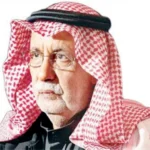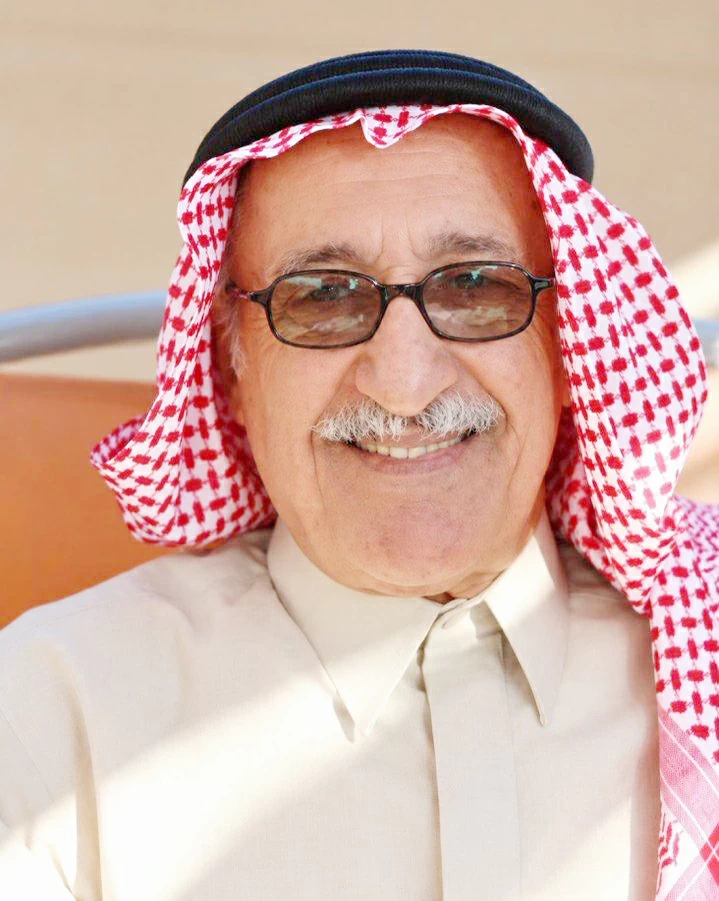
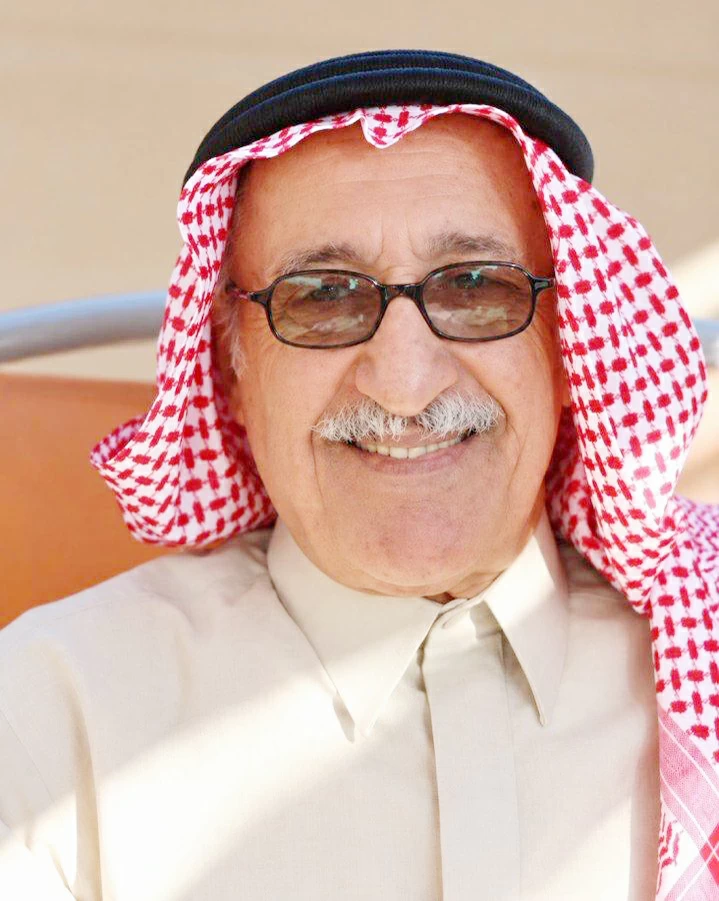
كما تعذّر على محبيه القبض عليه في حياته بحكم زهده في جمع نتاجه، تعذّر مُجدّداً بالرحيل القبض على الشاعر المفكّر محمد العلي الكائن الذي احترف الإنتاج فكراً وشعراً ونقداً وفلسفة، مؤثراً خلع عمامة رجل الدِّين، وارتداء عباءة الفلسفة، وراهن على وعي المجتمع وكسب الرهان. وليس غريباً أن يطلق عليه معرّي القرن الحادي والعشرين؛ بحكم ما تناول من قضايا وما ناقش من أفكار جريئة. وربما رحل العلي مطمئناً على فضاء الثقافة المحلية لانتصار قِيم الخير والحُبّ والجمال.
يؤكد الشاعر الراحل علي الدميني في مقدّمة كتابه «أمام مرآة محمد العلي» أن ثراء العلي انبثق من جذر نزوعه الذاتي إلى كسر القيد والبحث عن مزيد من آفاق الحُريّة، وجدله مع التراث وثورته على القوالب المعادة والسكونية.
ويذهب الناقد أحمد بوقري إلى أنّنا فقدنا برحيل محمد العلي علماً فكرياً وشعرياً تأسيسياً ترك بصمات واضحة على مشهدنا الأدبي المعاصر. وعدّ بوقري الاقتراب من شخصه باعتباره رمزية حداثية مهمة يماثل الاقتراب من تجربته الشعرية ناهيك عن الفكرية، ويراه اقتراباً نقدياً وإبداعياً محفوفاً بالرهبة والإجلال والتقدير.
وأضاف: «ربما كنت بمستطيعٍ أكثر وبثقة أعلى أقتربُ من بنيته الفكرية وطروحاتها وشذراتها وإيجازاته التأملية إلى اللحظة؛ لأني أعرفها وتربى جيلنا عليها.. أيديولوجياً وسياسياً، وأستطيع تأملها ومحاورتها والاختلاف معها أحياناً والخروج عليها»، لافتاً إلى أنه يخشى الاقتراب من شعريته ويقف مرتعداً أمامها؛ كون الشاعر المهم والمُقلّ، الذي له جبروته اللغوي والدلالي، والجمالي وتكثيفات صوره الفنية، وله مجازاته ورؤيته واستبصاراته الفكرية، وله حظوة تأسيسيته للمعنى الحداثي الإبداعي في مشهدنا الشعري، مشيراً إلى أنه بتأثير القليل القليل من قوله الشعري المكثّف أسس بروحية تجديدية بصيرة كياناً متماسكاً من الشعرية في تجربتنا الشعرية السعودية الحديثة. وأوضح بوقري أن القول الشعري كله الذي أُنتِج عقب قصيدته «لا ماء في الماء» اغترف من ينبوعها وتدفقاتها وجريانها في شرايين الجسد الشعري المعاصر.. واتكأ على مقترحاتها الجمالية والتشكيلية الأولى.
وعدّ الشاعر هاشم الجحدلي محمد العلي الرائد والمعلم الذي لم يجترح الخطوة الأولى بل واصل المشوار ولم يعنه انتهاء الماراثون، ولا خسارة خاسر ولا كسب كاسب؛ إذ بقي العلي صامداً في الرهان على جدوى الإبداع وجدارة الفكر. وكشف الجحدلي معرفته بالعلي مبكراً من زاويته الأطول في تاريخه «كان يا ماكان» التي نُشرت بداية الثمانينيات في «عكاظ»، ولفت إلى أنه أول أو ثاني صوت تصله مباركته وتشجيعه وهو طالب الثانوية في بلدة «ثول» عبر رسالة حملها صالح الصالح، مشيراً إلى مرافقته للعلي في رحلة تاريخية لمدة 10 أيام إلى القاهرة بقيادة عراب الصداقات محمد القشعمي. وكانت فرصة تاريخية لكي أقترب من تاريخه ورؤاه، وهذا ما حفّزني على كتابة ما يشبه السيرة له، ونشرت أجزاء منها في «عكاظ». وأضاف: «محمد العلي قيمة وقامة كبيرة في مشهدنا الثقافي وعندما تكتب سيرة هذا المشهد سوف يحتل المكانة اللائقة به».
فيما يؤكد الكاتب أحمد عدنان أن العلي لم يكن يكتب القصيدة فحسب، بل كان يكتب موقفاً ورؤيةً وانحيازاً للإنسان. رحل الجسد وبقي أثر الكلمة، وبقي صوت المثقف الذي لم يتخلَّ عن أسئلته ولا عن حقه في الاختلاف. عزاؤنا أن الكبار لا يغيبون ما دامت كلماتهم حيّة في الذاكرة والوجدان والضمير، فيما عوّل الكاتب البحريني عارف الموسوي على إرث العلي من المقالات الأدبية والفكرية، وتجربته الشعرية التي ناهزت السبعين عاماً وأكثر. وقال الموسوي: لم يكن العلي ظلاً عابراً؛ بل كان حضوراً فاعلاً ومشروعاً بارزاً تمثّل في محطات من التحولات على مستوى القضايا الفكرية، وفي مستوى تخلق الشعرية.
Just as it was impossible for his admirers to grasp him during his life due to his asceticism in accumulating his work, it has become impossible again with his departure to grasp the thinker and poet Muhammad Al-Ali, a being who mastered the production of thought, poetry, criticism, and philosophy, preferring to remove the turban of a religious man and don the cloak of philosophy, betting on the awareness of society and winning the bet. It is not strange that he is referred to as the modern-day Al-Ma’arri of the twenty-first century; given the issues he addressed and the bold ideas he discussed. Perhaps Al-Ali departed reassured about the local cultural space, confident in the triumph of values of goodness, love, and beauty.
The late poet Ali Al-Dumaini confirms in the introduction to his book “In Front of the Mirror of Muhammad Al-Ali” that Al-Ali’s richness stemmed from his intrinsic desire to break free and seek more horizons of freedom, as well as his dialogue with heritage and his rebellion against recycled and static molds.
Critic Ahmed Bouqri argues that with the departure of Muhammad Al-Ali, we have lost a foundational intellectual and poetic figure who left clear marks on our contemporary literary scene. Bouqri considered approaching his persona as an important modernist symbol, akin to approaching his poetic experience, not to mention his intellectual one, viewing it as a critical and creative approach filled with awe, reverence, and appreciation.
He added: “Perhaps I could have approached his intellectual structure and its propositions and contemplative summaries with more capability and higher confidence up to this moment; because I know it and our generation was raised on it… ideologically and politically, and I can contemplate it, engage with it, disagree with it at times, and even challenge it,” noting that he fears approaching his poetry and stands trembling before it; as the important and sparse poet, who possesses linguistic, semantic, and aesthetic grandeur, and the intensifications of his artistic images, along with his metaphors and insights, has a foundational significance for the modern creative meaning in our poetic scene. Bouqri pointed out that the entirety of the poetic discourse produced after his poem “No Water in Water” drew from its spring and its flows, coursing through the veins of contemporary poetic bodies… and leaned on its initial aesthetic and formative suggestions.
Poet Hashim Al-Jahdali regarded Muhammad Al-Ali as a pioneer and teacher who did not merely take the first step but continued the journey, undeterred by the marathon’s end, nor by the loss of the loser or the gain of the winner; for Al-Ali remained steadfast in betting on the efficacy of creativity and the merit of thought. Al-Jahdali revealed his early acquaintance with Al-Ali from his longest angle in history “Once Upon a Time,” which was published in the early 1980s in “Okaz,” noting that he was the first or second voice to receive his blessings and encouragement while he was a high school student in the town of “Thoul” through a message carried by Saleh Al-Saleh, pointing out that he accompanied Al-Ali on a historical journey for 10 days to Cairo, led by the friendship architect Muhammad Al-Qash’ami. It was a historic opportunity to get closer to his history and visions, which motivated me to write what resembles a biography for him, and I published parts of it in “Okaz.” He added: “Muhammad Al-Ali is a significant value and stature in our cultural scene, and when you write the biography of this scene, he will occupy the place befitting him.”
Meanwhile, writer Ahmed Adnan asserts that Al-Ali did not only write poetry, but he wrote a stance, a vision, and a bias towards humanity. The body has departed, but the impact of the word remains, and the voice of the intellectual who did not abandon his questions or his right to differ remains. Our consolation is that the great do not fade away as long as their words are alive in memory, sentiment, and conscience, while Bahraini writer Aref Al-Mousawi relied on Al-Ali’s legacy of literary and intellectual articles, and his poetic experience that spanned nearly seventy years or more. Al-Mousawi said: Al-Ali was not a fleeting shadow; rather, he was an active presence and a prominent project represented in stations of transformations at the level of intellectual issues and in the creation of poetry.