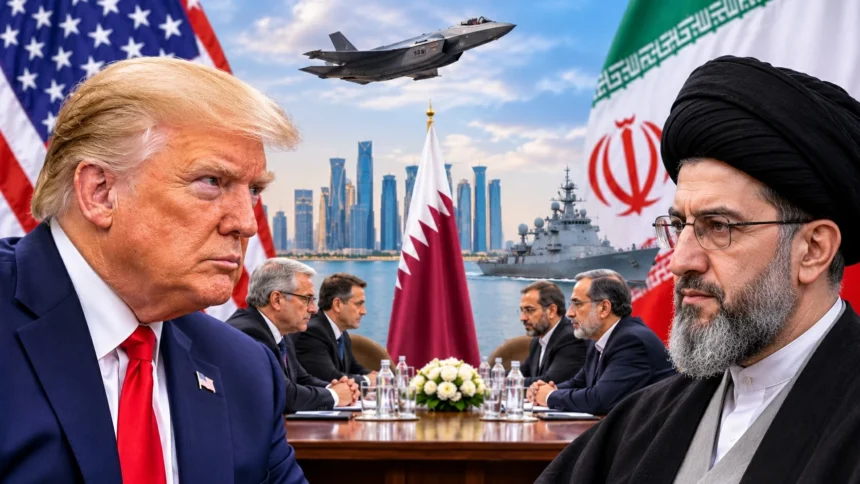
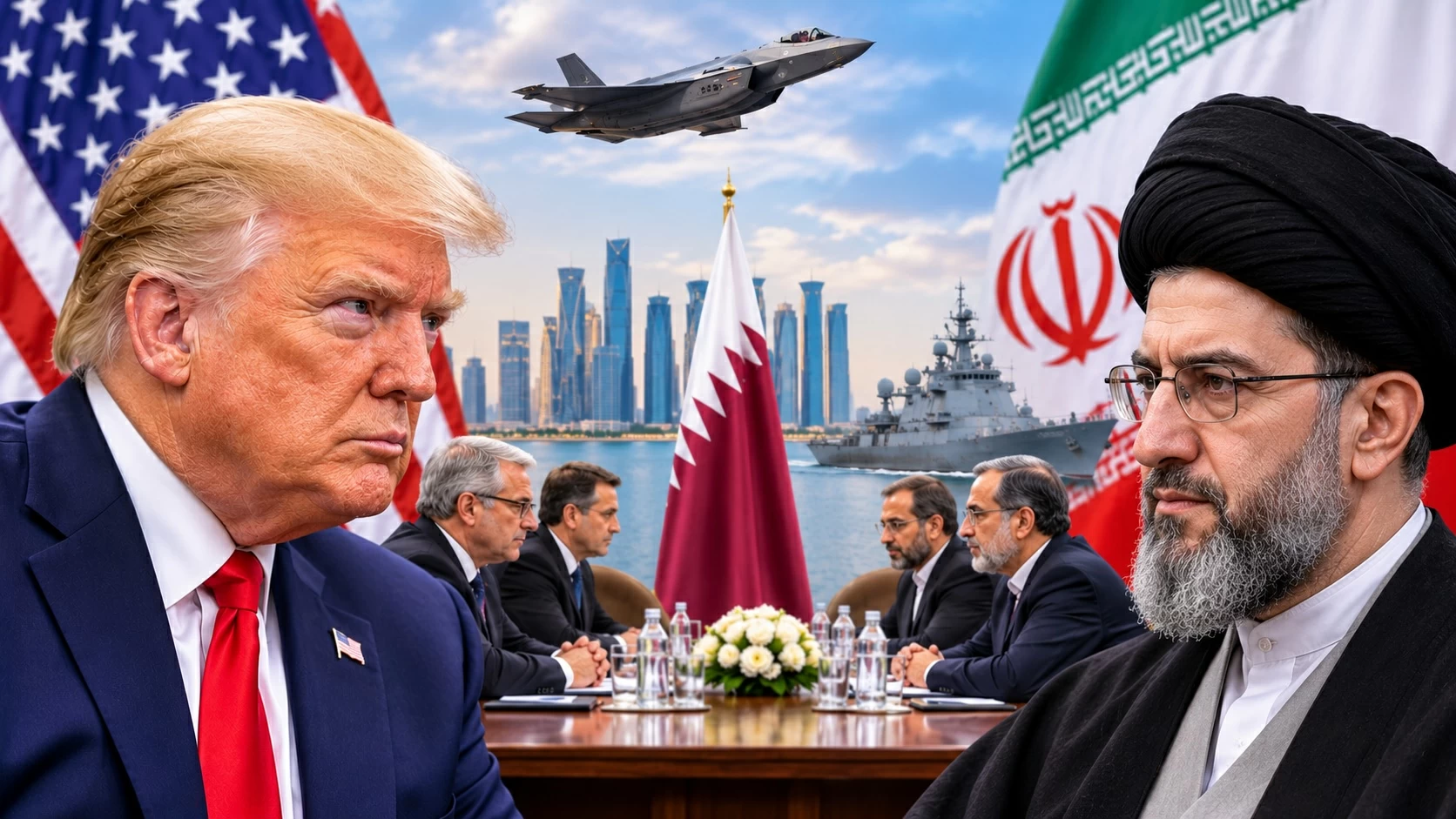
تتسارع التحركات الدبلوماسية في المنطقة لمنع عودة المواجهة العسكرية بين الولايات المتحدة وإيران، مع دخول الوساطة القطرية مرحلةً مكثفةً، وسط مؤشرات على إحراز تقدماً في الاتصالات بين الجانبين، يقابلها استمرار الخلافات بشأن الشروط المطلوبة لاستئناف المفاوضات النووية.
محادثات 12 ساعة في طهران
ونقل موقع «أكسيوس» الأمريكي، اليوم (السبت)، عن مصادر دبلوماسية قولها إن الوسطاء القطريين أجروا محادثاتٍ مكثفةً استمرت أكثر من 12 ساعة مع مسؤولين إيرانيين في طهران، (الجمعة)، على أن تتواصل المناقشات في الدوحة، في محاولةٍ للتوصل إلى تفاهمات تتيح استئناف الحوار المباشر بين واشنطن وطهران.
وأكد مصدرٌ دبلوماسيٌ أن الوسطاء القطريين ظلوا على اتصالٍ منتظمٍ بالبيت الأبيض طوال المحادثات، مشيراً إلى إحراز «تقدمٍ إيجابيٍ»، مع استمرار الجهود لتقريب وجهات النظر والتوصل إلى اتفاقٍ أوليٍ.
وتركز الوساطة على إقناع الطرفين باتخاذ خطواتٍ متبادلةٍ خلال أيامٍ، تمهد لاستئناف المفاوضات بشأن البرنامج النووي الإيراني وملفات الخلاف الأخرى.
تنازلات نووية إيرانية
وتتمثل أبرز العقبات في تمسك إدارة الرئيس دونالد ترمب بحصولها على تنازلاتٍ نوويةٍ إيرانيةٍ قبل العودة إلى طاولة المفاوضات، مقابل اشتراط طهران رفع الحصار البحري الأمريكي، والإفراج عن أموالها المجمدة، والسماح لها باستئناف بيع النفط.
وفي محاولةٍ لتجاوز هذه الخلافات، يطرح الوسطاء القطريون مقترحاً يسمح لمفتشي الأمم المتحدة بزيارة المنشآت النووية الإيرانية التي تعرضت للقصف، مقابل تخفيفٍ أمريكيٍ لبعض العقوبات، بما يوفر أرضيةً لبناء الثقة بين الطرفين.
ضربات بعد الانتخابات
وعلى المسار العسكري، تتزايد المؤشرات على احتمال استئناف العمليات الأمريكية عقب انتخابات التجديد النصفي للكونجرس، المقررة في الثالث من نوفمبر القادم.
ونقلت شبكة «MS NOW» عن ثلاثة مسؤولين في المنطقة أن واشنطن أبلغت حلفاءها بضرورة الاستعداد لجولة ضرباتٍ عسكريةٍ قصيرةٍ ومكثفةٍ ضد إيران، قد تبدأ في الرابع من نوفمبر في حال خسارة الجمهوريين انتخابات الكونغرس، وسط مخاوف إقليمية من ردٍ إيرانيٍ يستهدف منشآت الطاقة والبنية التحتية.
وكانت وكالة «أسوشيتد برس» نقلت عن دبلوماسيين أن مسؤولين أمريكيين طلبوا من دولٍ في الشرق الأوسط الاستعداد لاحتمال استئناف الهجمات، وكذلك لاحتمال تعرضها لردودٍ إيرانيةٍ، مؤكدةً أن ترمب لم يتخذ قراراً نهائياً بشأن تنفيذ الضربات.
وتسعى دولٌ إقليميةٌ إلى تكثيف الضغوط الدبلوماسية لتجنب التصعيد، وحث طهران على قبول استئناف المفاوضات قبل الانتخابات الأمريكية، في ظل مخاوف من أن تؤدي أي ضرباتٍ جديدةٍ إلى مواجهةٍ أوسع تهدد أمن المنطقة وإمدادات الطاقة.
انقسام داخل إدارة ترمب
وفي واشنطن، تتباين المواقف داخل الدائرة المقربة من ترمب بشأن التعامل مع إيران؛ إذ يتبنى وزيرا الحرب بيت هيجسيث والخارجية ماركو روبيو موقفاً متشدداً، ويشككان في إمكانية التوصل إلى اتفاقٍ نوويٍ مع القيادة الإيرانية، ويدعوان إلى مواصلة إضعاف قدراتها عبر الضغط العسكري.
في المقابل، يميل نائب الرئيس جي دي فانس ومبعوثا ترمب ستيف ويتكوف وجاريد كوشنر إلى منح المسار الدبلوماسي فرصةً جديدةً، واستئناف المفاوضات بدلاً من العودة الفورية إلى العمليات العسكرية.
أما وزير الخزانة سكوت بيسنت، فيدعم استمرار سياسة الضغط الاقتصادي، ومنح العقوبات والقيود المالية مزيداً من الوقت لتحقيق أهدافها.
وكان ترمب أقر، (الجمعة)، باستمرار الاتصالات مع طهران، قائلاً إن الإيرانيين يريدون التفاوض، لكنه أبدى تشككاً في طبيعة الصراع، واصفاً إياه بأنه حربٌ «ليست تقليديةً».
ضغوط وانقسامات متصاعدة
وتواجه الإدارة الأمريكية ضغوطاً إضافيةً مع تصاعد الانقسامات داخل القاعدة الجمهورية بشأن جدوى الانخراط العسكري في الشرق الأوسط، وتداعيات أي مواجهةٍ جديدةٍ على الداخل الأمريكي.
وبينما تحاول الدوحة استثمار ما وصفته المصادر الدبلوماسية بالتقدم الإيجابي، تظل الأيام التي تسبق انتخابات التجديد النصفي حاسمةً في تحديد ما إذا كانت واشنطن وطهران ستنجحان في تحويل الاتصالات إلى اتفاقٍ يفتح نافذةً للحل السياسي، أم أن تعثر الوساطة سيدفع المنطقة مجدداً نحو مواجهةٍ عسكريةٍ مفتوحةٍ.
Diplomatic moves in the region are accelerating to prevent a return to military confrontation between the United States and Iran, as Qatari mediation enters an intensive phase, amid indications of progress in communications between the two sides, countered by ongoing disagreements over the conditions required to resume nuclear negotiations.
12-Hour Talks in Tehran
The American website “Axios” reported today (Saturday) that Qatari mediators held intensive talks lasting more than 12 hours with Iranian officials in Tehran on Friday, with discussions set to continue in Doha, in an attempt to reach understandings that would allow for the resumption of direct dialogue between Washington and Tehran.
A diplomatic source confirmed that the Qatari mediators remained in regular contact with the White House throughout the talks, noting that “positive progress” has been made, while efforts continue to bridge differences and reach a preliminary agreement.
The mediation focuses on convincing both sides to take reciprocal steps in the coming days, paving the way for the resumption of negotiations regarding the Iranian nuclear program and other contentious issues.
Iranian Nuclear Concessions
The main obstacles include the Trump administration’s insistence on obtaining Iranian nuclear concessions before returning to the negotiating table, while Tehran demands the lifting of the American maritime blockade, the release of its frozen funds, and permission to resume oil sales.
In an attempt to overcome these disagreements, the Qatari mediators are proposing a plan that would allow UN inspectors to visit Iranian nuclear facilities that have been bombed, in exchange for some easing of American sanctions, which would provide a basis for building trust between the two sides.
Strikes After the Elections
On the military front, indications are increasing that American operations may resume following the upcoming congressional midterm elections scheduled for November 3.
The “MS NOW” network reported that three officials in the region stated that Washington has informed its allies to prepare for a round of short and intensive military strikes against Iran, which could begin on November 4 if the Republicans lose the congressional elections, amid regional fears of an Iranian response targeting energy facilities and infrastructure.
The “Associated Press” reported that diplomats said American officials have asked countries in the Middle East to prepare for the possibility of resuming attacks, as well as the potential for Iranian retaliations, confirming that Trump has not made a final decision regarding the execution of strikes.
Regional countries are seeking to intensify diplomatic pressures to avoid escalation and urge Tehran to accept the resumption of negotiations before the American elections, amid fears that any new strikes could lead to a broader confrontation threatening regional security and energy supplies.
Divisions Within the Trump Administration
In Washington, positions within Trump’s inner circle vary regarding how to deal with Iran; Defense Secretary Pete Hegseth and Secretary of State Marco Rubio adopt a hardline stance, doubting the possibility of reaching a nuclear agreement with the Iranian leadership, and calling for continued weakening of its capabilities through military pressure.
In contrast, Vice President JD Vance and Trump’s envoys Steve Witkoff and Jared Kushner lean towards giving the diplomatic track a new chance and resuming negotiations instead of immediately returning to military operations.
Meanwhile, Treasury Secretary Scott Pruitt supports the continuation of economic pressure policies, allowing sanctions and financial restrictions more time to achieve their goals.
Trump acknowledged on Friday the continuation of communications with Tehran, stating that the Iranians want to negotiate, but he expressed skepticism about the nature of the conflict, describing it as a “non-traditional” war.
Increasing Pressures and Divisions
The U.S. administration is facing additional pressures as divisions within the Republican base escalate regarding the feasibility of military engagement in the Middle East and the implications of any new confrontation on domestic American affairs.
While Doha attempts to capitalize on what diplomatic sources describe as positive progress, the days leading up to the midterm elections are crucial in determining whether Washington and Tehran will succeed in transforming communications into an agreement that opens a window for a political solution, or whether the failure of mediation will push the region once again toward open military confrontation.