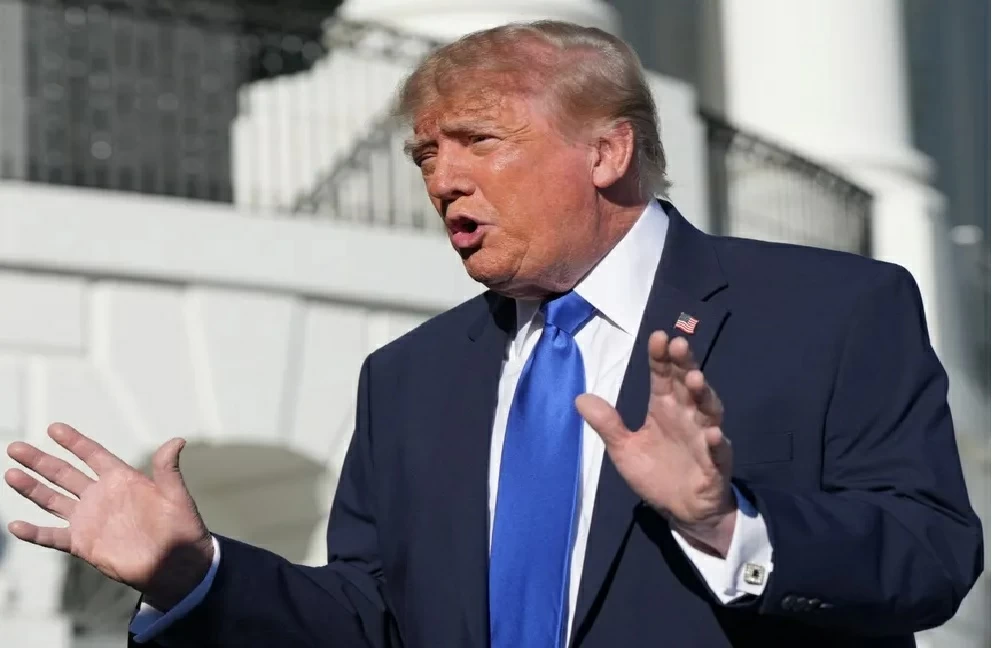
رغم الهجوم على جزيرة قشم الإيرانية، وقبل ساعات من انتخابات التجديد النصفي للكونغرس، تغيرت نبرة الرئيس دونالد ترمب بشأن إيران، وأعلن أن التوصل إلى اتفاق أمراً ممكناً، إلا أن مسؤولا إيرانيا اعتبر أن التوصل إلى اتفاق لايزال أمرا بعيد المنال .
تفاؤل بشأن فرص التسوية
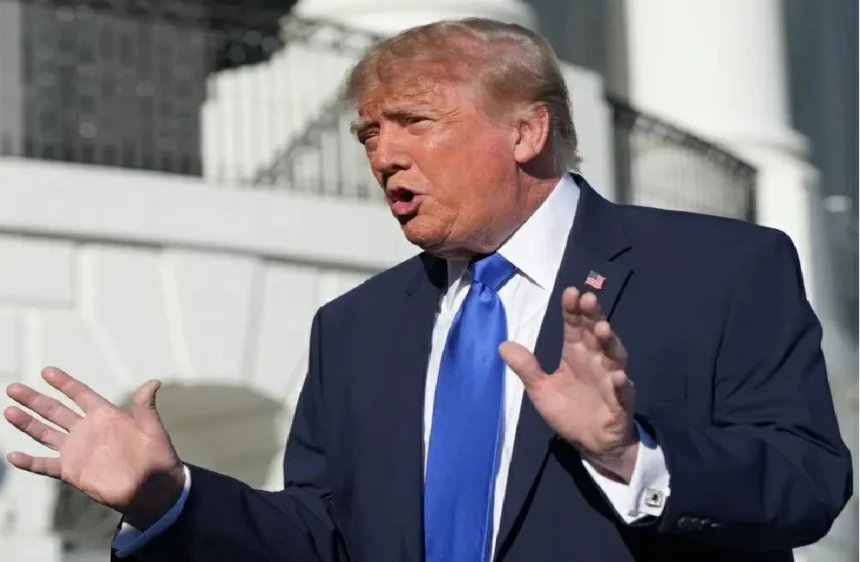
وكتب ترمب على منصته تروث سوشيال قبيل انتخابات منتصف الولاية، المقررة (الثلاثاء)، «أسعار النفط تهبط بشكل حاد، لأن الناس يشعرون بأنه لن تكون هناك حرب مع إيران. إيران ترغب في التوصل إلى تسوية في أقرب وقت ممكن. قد يحدث ذلك!».
وكان ترمب هدد مطلع هذا الأسبوع بأنه مستعد لتوجيه «ضربةً ساحقةً» لإيران، وذكر أنه لا يزال عليه «التعامل» مع موقع أو موقعين نوويين إيرانيين. وذكرت صحيفة «وول ستريت جورنال»، (الاثنين)، أن الولايات المتحدة شنّت هجوماً على جزيرة قشم الإيرانية، رغم إشارة ترمب إلى إحراز تقدماً في المفاوضات مع طهران لإنهاء الحرب المستمرة منذ ثمانية أشهر.
وقال نائب الرئيس جيه دي فانس: «يشعر الرئيس وأنا بقدرٍ من التفاؤل حيال فرص التوصل إلى تسوية (مع إيران) عبر التفاوض»، مضيفاً: «أحرزنا بالفعل بعض التقدم، وسنرى ما إذا كان بإمكاننا تحقيق المزيد».
ومساء (الاثنين)، أكد ترمب مجدداً خلال مداخلة أخيرة على شبكة «فوكس نيوز» (Fox News)، قبيل انطلاق عملية الاقتراع «إنهم مصرون بشدةٍ على التوصل إلى اتفاق».
مباحثات مكثفة غير مباشرة
من جهتها، أعلنت إيران أنها تخوض مباحثات مكثفةً غير مباشرةٍ مع الولايات المتحدة، سعياً لإنهاء الحرب في الشرق الأوسط وتجنّب جولة تصعيدٍ جديدةٍ، في ظل جهود دبلوماسيةٍ حثيثةٍ دفعت أسعار النفط إلى التراجع. وأبدت طهران استعداداً مشروطاً لإعادة فتح مضيق هرمز الاستراتيجي خلال يومين بدلاً من سبعة أيام كما نصّت خطتها الأولية.
وكان وزير الخارجية الإيراني عباس عراقجي، قال لوكالة الأنباء الرسمية (إرنا): «نظراً إلى حساسية الوضع الراهن وخطورته، المشاورات والمحادثات مكثفةٌ للغاية». فيما أفاد الرئيس مسعود بيزشكيان أن المرشد الأعلى مجتبى خامنئي منح الحكومة بعض الصلاحيات في التفاوض.
ويأتي التوتر المتجدد بعد انتخابات في إسرائيل لم تحسم نتائجها عودة بنيامين نتنياهو إلى رئاسة الوزراء، وعشية انتخابات التجديد النصفي في الولايات المتحدة، والتي يخشى ترمب وحزبه الجمهوري أن تفقدهما الغالبية في الكونغرس.
وقدمت إيران في سبتمبر عبر قطر، خطةً لإعادة فتح مضيق هرمز خلال سبعة أيام، لكن ترمب رفضها، مع إبقاء الباب مفتوحاً أمام مواصلة المفاوضات غير المباشرة.
Despite the attack on the Iranian island of Qeshm, and just hours before the midterm elections for Congress, President Donald Trump changed his tone regarding Iran, announcing that reaching an agreement is possible.
Optimism about Settlement Opportunities
Trump wrote on his Truth Social platform ahead of the midterm elections scheduled for (Tuesday), “Oil prices are dropping sharply because people feel there will be no war with Iran. Iran wants to reach a settlement as soon as possible. That could happen!”
Earlier this week, Trump threatened that he was prepared to deliver a “devastating blow” to Iran, mentioning that he still had to “deal” with one or two Iranian nuclear sites. The Wall Street Journal reported on (Monday) that the United States launched an attack on the Iranian island of Qeshm, despite Trump’s indication of progress in negotiations with Tehran to end the eight-month-long war.
Vice President JD Vance stated, “The president and I feel a degree of optimism about the chances of reaching a settlement (with Iran) through negotiation,” adding, “We have already made some progress, and we will see if we can achieve more.”
On (Monday) evening, Trump reiterated during a final appearance on Fox News, just before the voting process began, “They are very eager to reach an agreement.”
Intensive Indirect Talks
For its part, Iran announced that it is engaged in intensive indirect talks with the United States, seeking to end the war in the Middle East and avoid a new escalation, amid vigorous diplomatic efforts that have driven oil prices down. Tehran expressed a conditional willingness to reopen the strategic Strait of Hormuz within two days instead of the seven days stipulated in its initial plan.
Iranian Foreign Minister Abbas Araghchi told the official news agency (IRNA), “Given the sensitivity and seriousness of the current situation, consultations and discussions are extremely intensive.” Meanwhile, President Masoud Pezeshkian stated that Supreme Leader Mojtaba Khamenei granted the government some powers in negotiations.
The renewed tension comes after elections in Israel that did not decisively return Benjamin Netanyahu to the premiership, and on the eve of the midterm elections in the United States, which Trump and his Republican Party fear could cost them the majority in Congress.
In September, Iran, through Qatar, presented a plan to reopen the Strait of Hormuz within seven days, but Trump rejected it while keeping the door open for continued indirect negotiations.