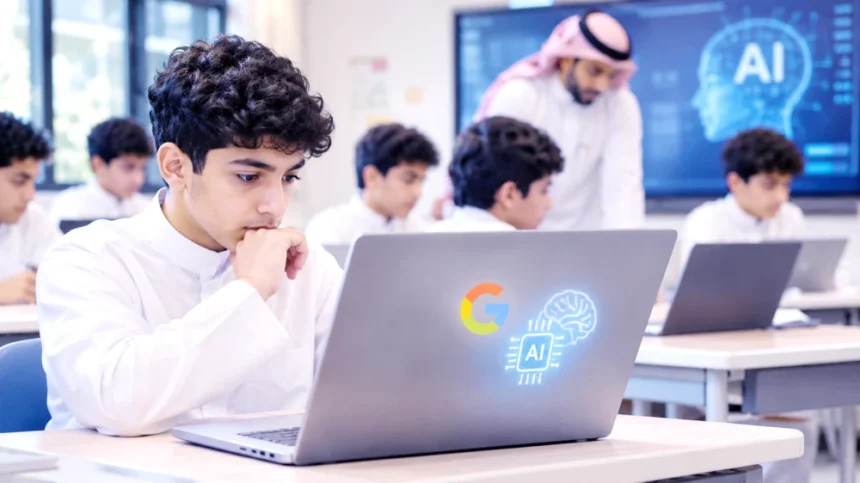
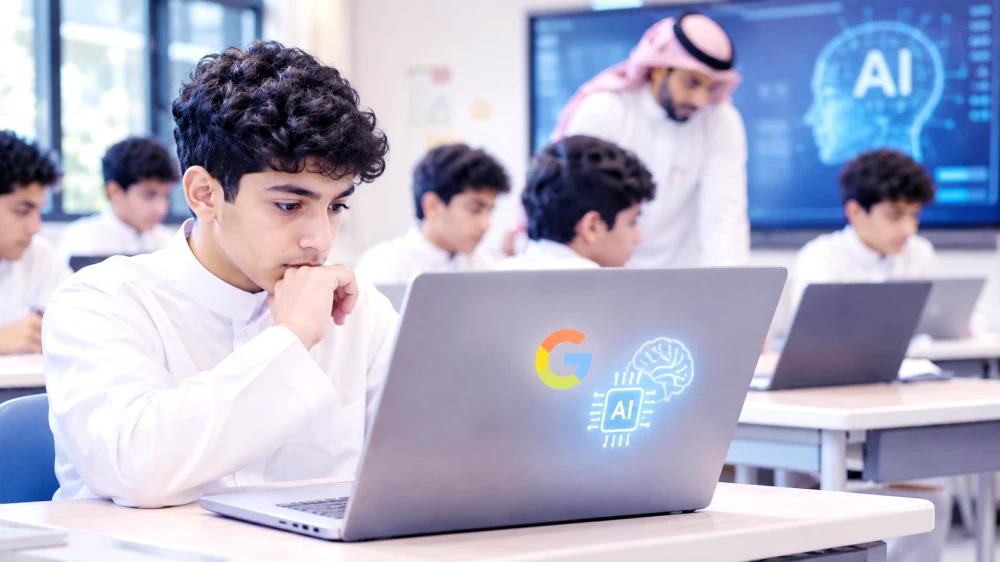
وضعت شركة «قوقل» المؤسسات التعليمية أمام خيارات جديدة للتحكم في استخدام أدوات الذكاء الاصطناعي داخل المدارس، بعدما أتاحت إمكانية تعطيل بعض هذه الخدمات، وسط تساؤلات بشأن تأثير القرار على وظائف البحث الرقمي المتاحة للطلاب.
ويتيح التغيير للمدارس، تقييد استخدام أدوات الذكاء الاصطناعي ضمن بيئاتها التعليمية، إلا أن تعطيل بعض الميزات قد يمتد تأثيره إلى خدمات البحث المرتبطة بها، ما يجعل القرار أكثر تعقيداً بالنسبة إلى إدارات المدارس.
ويعكس هذا التوجه، اتساع الجدل بشأن حضور الذكاء الاصطناعي في الفصول الدراسية، خصوصاً مع تزايد الاعتماد على الأدوات الرقمية في البحث وإعداد الواجبات والوصول إلى المعلومات.
وتواجه المؤسسات التعليمية تحدياً في تحقيق التوازن بين الاستفادة من التقنيات الحديثة والمحافظة على استقلالية العملية التعليمية، إلى جانب تحديد مستوى الصلاحيات الممنوحة للطلاب في استخدام المساعدات الذكية.
وتبرز أهمية توفير خيارات تحكم أكثر مرونة، تسمح للمدارس بتنظيم استخدام الذكاء الاصطناعي دون التأثير غير المقصود على الخدمات التعليمية الأساسية.
ويضع هذا التطور شركات التقنية أمام اختبار يتعلق بقدرتها على تلبية حاجات المؤسسات التعليمية، مع احترام سياساتها في إدارة المحتوى والأدوات الرقمية.
Google has presented educational institutions with new options to control the use of artificial intelligence tools within schools, after allowing the possibility to disable some of these services, amid questions about the impact of the decision on the digital search functions available to students.
This change allows schools to restrict the use of artificial intelligence tools within their educational environments, but disabling certain features may extend its impact to the associated search services, making the decision more complex for school administrations.
This trend reflects the growing debate about the presence of artificial intelligence in classrooms, especially with the increasing reliance on digital tools for research, homework preparation, and access to information.
Educational institutions face the challenge of balancing the benefits of modern technologies while maintaining the independence of the educational process, as well as determining the level of permissions granted to students in using smart assistants.
The importance of providing more flexible control options is highlighted, allowing schools to organize the use of artificial intelligence without unintended effects on essential educational services.
This development puts tech companies to the test regarding their ability to meet the needs of educational institutions while respecting their policies on managing content and digital tools.