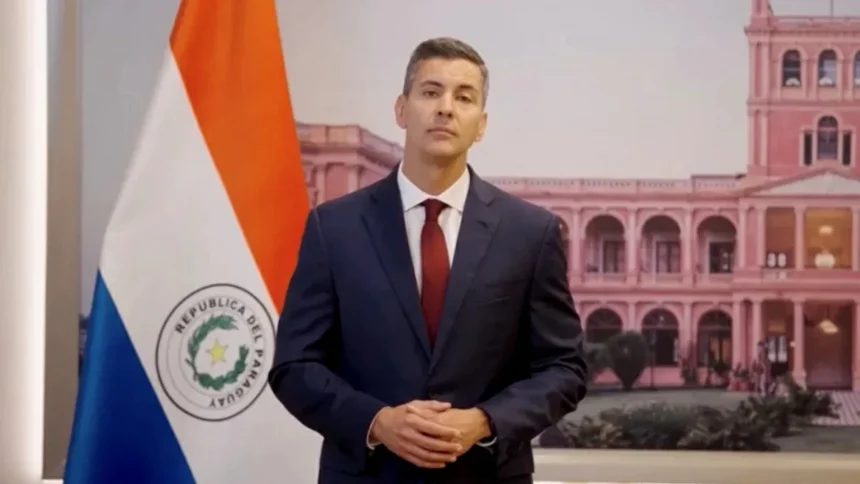
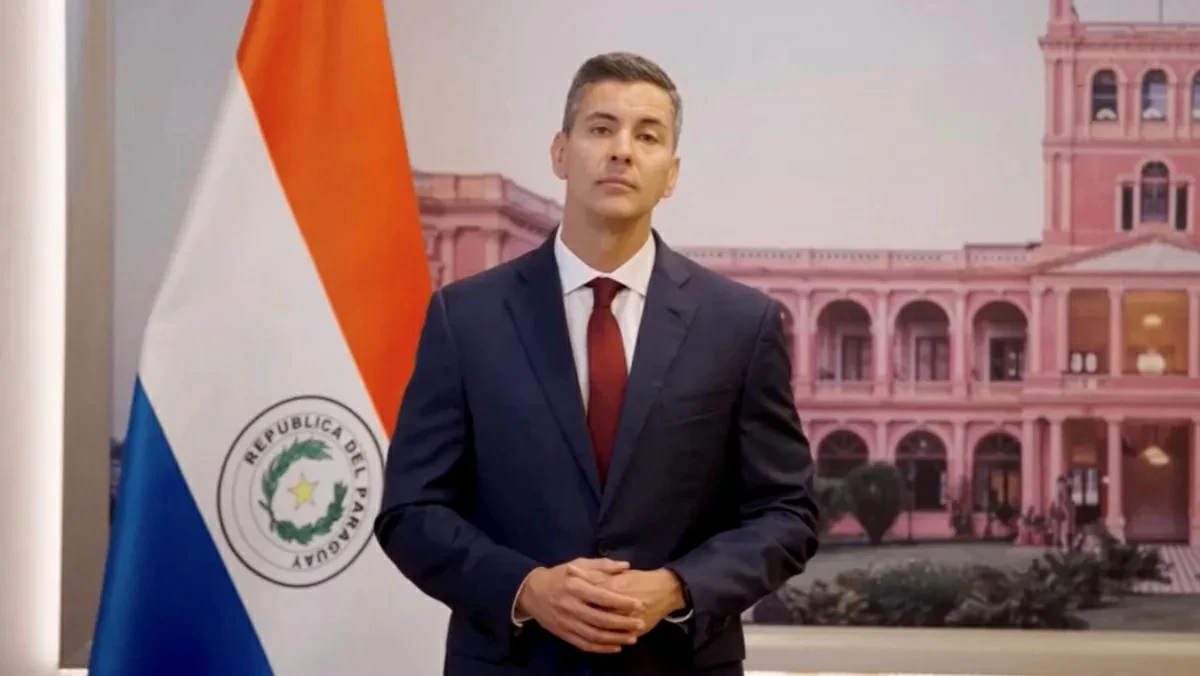
دخلت باراجواي في نفق أزمة سياسية، مع إقالة الرئيس السابق سانتياجو بينيا ووضعه قيد الإقامة الجبرية، بالتزامن مع أداء نائبه بيدرو أليانا اليمين الدستورية رئيساً جديداً للبلاد، في تداعيات مالية وسياسية غير مسبوقة تفجرت إثر انهيار بنك «أوينو» الرقمي، وامتدت التحقيقات فيها إلى مسؤولين حكوميين وقيادات مصرفية بارزة.
تورط في تضارب المصالح
وصوّت 44 عضواً من أصل 45 في مجلس الشيوخ لمصلحة عزل بينيا، بعد اتهامه بالإخفاق في أداء مهامه والتورط في تضارب المصالح والتدخل في الرقابة المصرفية، فيما اختار المجلس استكمال إجراءات عزله رغم تقديمه استقالته (الخميس)، في خطوة حرمت الرئيس السابق من الحصانة والامتيازات القانونية المرتبطة بمنصبه.
وأدى أليانا اليمين الدستورية خلفاً لبينيا، متعهداً بمعالجة تداعيات الانهيار المصرفي وإعادة أموال المودعين المتضررين، واستكمال الولاية الرئاسية حتى أغسطس 2028. وقال إن حكومته لن تتخلى عن ملايين المواطنين الذين تضررت مدخراتهم جراء الأزمة.
وفي تطور قضائي، نفذت الشرطة مذكرة توقيف بحق بينيا، وأخضعته للإقامة الجبرية في منزله بالعاصمة أسونسيون، لحين مثوله أمام مكتب الادعاء العام، المقرر اليوم (السبت)، للإدلاء بإفادته بشأن شبهات تتعلق بالإضرار بالثقة وإساءة استخدام النفوذ وتحقيق مكاسب شخصية. وأكد ممثلو الادعاء أن التهم النهائية لا تزال قيد التحديد.
توقيف الرئيس السابق للبنك المركزي
ولم تتوقف التحقيقات عند الرئيس السابق، إذ صدرت مذكرة توقيف بحق الرئيس السابق للبنك المركزي كارلوس كارفالو، الذي استقال من منصبه وسط اتهامات بالتقصير في الرقابة على البنك، كما جرى احتجاز عدد من كبار المسؤولين التنفيذيين السابقين في «أوينو»، وفتح تحقيقات شملت 27 مسؤولاً ومديراً وشخصية مرتبطة بالمؤسسة.
وتفجرت الأزمة مطلع الأسبوع الجاري، بعدما تدخل البنك المركزي إثر اكتشاف مخالفات مالية وتراجع ملاءة «أوينو» إلى ما دون الحد القانوني، وسط شبهات بشأن إقراض شركات مرتبطة بالمساهم المسيطر على البنك، ومخاوف من توظيف أموال عامة في أنشطة تنطوي على مخاطر مالية.
وتفاقمت التداعيات بعدما عجز ملايين العملاء عن الوصول إلى حساباتهم ومدخراتهم، إذ كان البنك يضم نحو ثلاثة ملايين عميل، ويدير أموالاً عامة تقدر بنحو 850 مليون دولار، بينها أموال مرتبطة بصناديق التقاعد والرعاية الصحية الحكومية.
إجراءات لصرف دفعات أولية للمتضررين
وتشير التقديرات إلى أن ضمان الودائع يغطي نحو 97% من العملاء، فيما بدأت السلطات بالفعل إجراءات لصرف دفعات أولية للمتضررين، على أن تستكمل عمليات التعويض تدريجياً. وأثارت الأزمة تساؤلات بشأن علاقة بينيا بالمؤسسة المصرفية، بعدما تبين أنه كان يمتلك حصة في المجموعة القابضة المالكة للبنك حتى مارس 2025، فضلاً عن تعيينه كارفالو، الرئيس السابق لـ«أوينو»، على رأس البنك المركزي، الجهة المسؤولة عن مراقبة القطاع المصرفي.
ونفى بينيا ارتكاب أي مخالفات، مؤكداً استعداده للتعاون مع التحقيقات، فيما نفى البنك المركزي وجود تضارب في المصالح، مشيراً إلى أن كارفالو تنحى عن المشاركة في القرارات المتعلقة بالبنك.
وأشعل انهيار «أوينو» احتجاجات واسعة في العاصمة، وسط مطالبات بمحاسبة المسؤولين وإعادة المدخرات، كما دفع الأزمة إلى تفكيك الدائرة المقربة من الرئيس السابق، مع استقالة وزير الداخلية وكبير موظفي الرئاسة وعدد من مستشاريه.
وبينما تسعى الإدارة الجديدة إلى احتواء التداعيات المالية واستعادة ثقة المواطنين، تواجه باراجواي اختباراً سياسياً واقتصادياً صعباً، في أزمة كشفت حجم التشابك بين المصالح المالية والسلطة السياسية، ووضعت مستقبل الرقابة المصرفية وثقة المودعين على المحك.
Paraguay has entered a tunnel of political crisis, with the ousting of former president Santiago Peña and his house arrest, coinciding with the swearing-in of his deputy Pedro Alliana as the new president of the country, amidst unprecedented financial and political repercussions that erupted following the collapse of the digital bank “Owino,” with investigations extending to government officials and prominent banking leaders.
Involvement in Conflict of Interest
Forty-four out of 45 members of the Senate voted in favor of removing Peña, after accusing him of failing to perform his duties and being involved in a conflict of interest and interference in banking oversight, while the council chose to continue the impeachment process despite his resignation (on Thursday), a move that deprived the former president of the immunity and legal privileges associated with his position.
Alliana took the oath of office in place of Peña, pledging to address the repercussions of the banking collapse and to return the funds of the affected depositors, and to complete the presidential term until August 2028. He stated that his government would not abandon the millions of citizens whose savings were harmed due to the crisis.
In a judicial development, the police executed an arrest warrant against Peña, placing him under house arrest at his home in the capital Asunción, until he appears before the public prosecutor’s office, scheduled for today (Saturday), to provide his testimony regarding suspicions related to undermining trust, abuse of power, and personal gain. Prosecutors confirmed that the final charges are still being determined.
Arrest of the Former Central Bank President
The investigations did not stop with the former president, as an arrest warrant was issued against the former president of the central bank, Carlos Carvalho, who resigned from his position amid accusations of negligence in overseeing the bank. Several former senior executives of “Owino” were also detained, and investigations have been opened involving 27 officials, directors, and individuals associated with the institution.
The crisis erupted earlier this week after the central bank intervened upon discovering financial irregularities and the solvency of “Owino” falling below the legal threshold, amidst suspicions regarding lending to companies linked to the controlling shareholder of the bank, and fears of using public funds in activities involving financial risks.
The repercussions worsened after millions of customers were unable to access their accounts and savings, as the bank had about three million customers and managed public funds estimated at around $850 million, including funds linked to pension and government healthcare schemes.
Measures to Disburse Initial Payments to Affected Individuals
Estimates indicate that deposit insurance covers about 97% of customers, while authorities have already begun procedures to disburse initial payments to the affected individuals, with compensation processes to be completed gradually. The crisis raised questions about Peña’s relationship with the banking institution, as it became clear that he owned a stake in the holding group that owns the bank until March 2025, in addition to appointing Carvalho, the former president of “Owino,” to head the central bank, the entity responsible for overseeing the banking sector.
Peña denied committing any violations, affirming his readiness to cooperate with the investigations, while the central bank denied any conflict of interest, indicating that Carvalho had stepped down from participating in decisions related to the bank.
The collapse of “Owino” ignited widespread protests in the capital, with demands for accountability from officials and the return of savings, and also led to the dismantling of the inner circle of the former president, with the resignation of the Minister of the Interior, the Chief of Staff, and several of his advisors.
While the new administration seeks to contain the financial repercussions and restore citizens’ trust, Paraguay faces a difficult political and economic test, in a crisis that revealed the extent of the intertwining of financial interests and political power, putting the future of banking oversight and depositor confidence at stake.