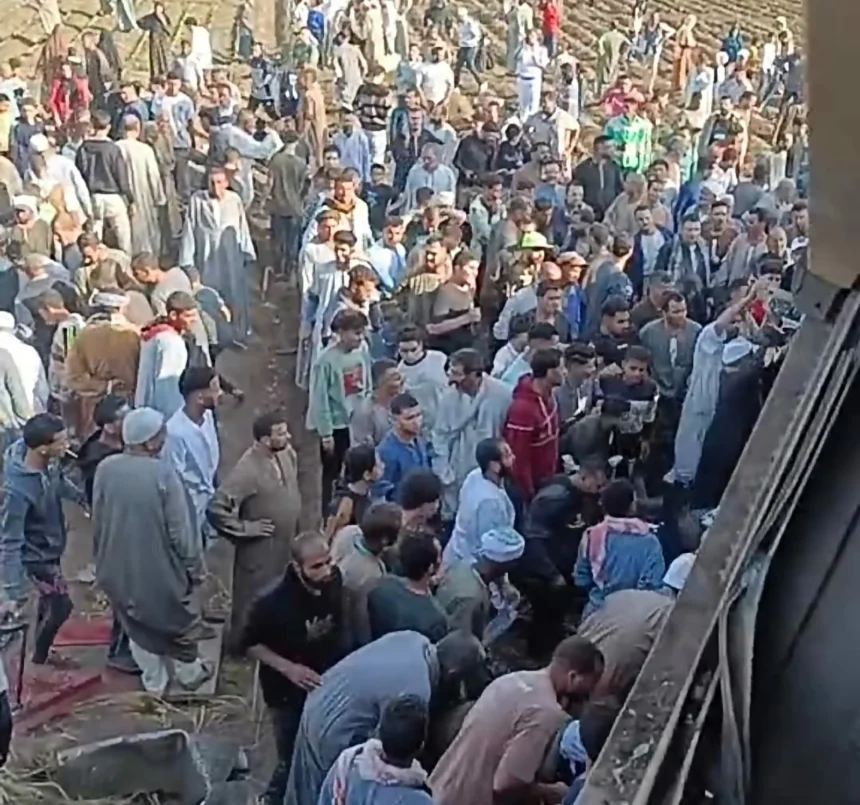
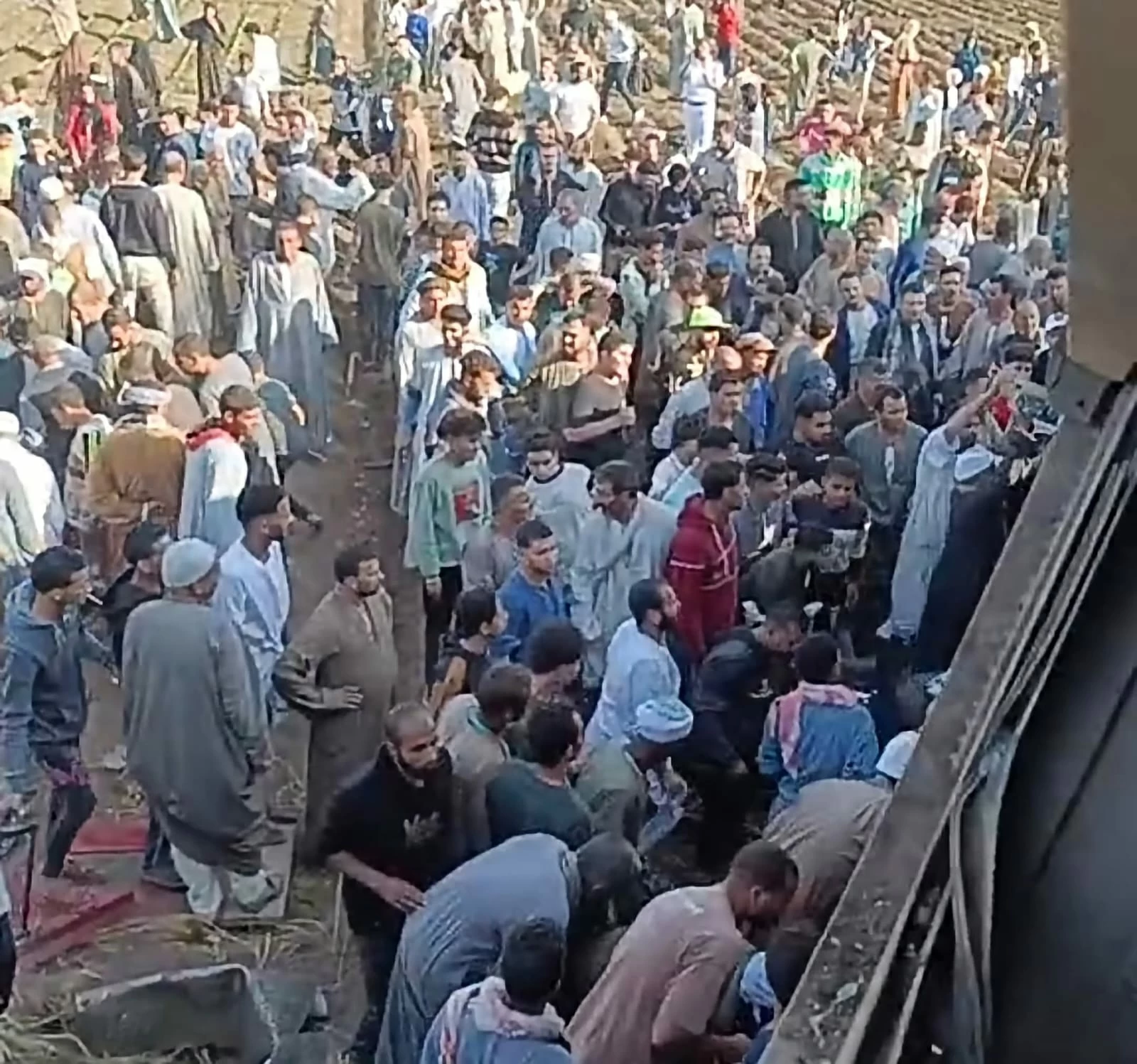
شهد مركز العياط بمحافظة الجيزة المصرية، الأحد، حادث تصادم بين قطارين على خط القاهرة – أسوان، أسفر عن خروج عدد من العربات عن القضبان ووقوع إصابات بين الركاب، فيما دفعت هيئة السكك الحديدية بفرق الطوارئ والأوناش إلى موقع الحادث، بالتزامن مع تحرك سيارات الإسعاف لنقل المصابين إلى المستشفيات.
وأعلنت الهيئة القومية لسكك حديد مصر وقوع التصادم بين القطار رقم 134 «تحيا مصر»، المتجه من الجيزة إلى الفيوم، ومؤخرة القطار رقم 2010 المتجه من القاهرة إلى أسوان، في المنطقة الواقعة بين محطتي كفر عمار والرقة بمركز العياط.
وأوضحت الهيئة أن الحادث وقع نتيجة خروج بعض العربات عن القضبان، ما أدى إلى تصادم القطارين وسقوط إصابات بين الركاب، مؤكدة نقل المصابين إلى المستشفيات لتلقي الرعاية الطبية اللازمة.
وفيما يتعلق بحصيلة الإصابات، أفادت تقارير إعلامية مصرية أولية بإصابة نحو 60 شخصا، بينما تداولت معلومات لاحقة حصيلة تصل إلى 120 مصابا، ولم يتسن تأكيد الرقم الأخير من بيان رسمي منشور.
بوابة أخبار اليوم الإلكترونية+2
ودفعت هيئة الإسعاف المصرية بـ12 سيارة إسعاف إلى موقع الحادث، وفقا لما أوردته تقارير محلية، فيما انتقلت الأجهزة الأمنية وقوات الحماية المدنية إلى المنطقة للتعامل مع تداعيات التصادم، وتأمين موقع الحادث والمساعدة في إجلاء الركاب ونقل المصابين.
وأكدت هيئة السكك الحديدية الدفع بفرق الطوارئ والأوناش إلى موقع الواقعة، للعمل على رفع آثار التصادم وتحريك العربات المتضررة، تمهيدا لاستعادة حركة القطارات وانتظام التشغيل على خط القاهرة – السد العالي في الاتجاهين.
وأعربت الهيئة عن تمنياتها بالشفاء العاجل للمصابين، مؤكدة تكثيف جهود فرق العمل لإنجاز عمليات رفع آثار الحادث في أسرع وقت ممكن، وإعادة حركة القطارات إلى معدلاتها الطبيعية.
ويُعد خط القاهرة – أسوان أحد أهم محاور شبكة السكك الحديدية في مصر، إذ يربط العاصمة بمحافظات الوجه القبلي وصولا إلى جنوب البلاد، ويشهد حركة كثيفة لقطارات الركاب، بما فيها القطارات المتجهة إلى محافظات الصعيد والفيوم، وهو ما يجعل أي حادث أو تعطل في هذا المسار مؤثرا في حركة السفر والتنقل بين القاهرة والمحافظات الجنوبية.
ويعيد الحادث تسليط الضوء على تحديات السلامة في شبكة السكك الحديدية المصرية، التي شهدت خلال السنوات الماضية حوادث تصادم وخروج قطارات عن القضبان، دفعت السلطات إلى الإعلان عن خطط لتحديث البنية التحتية وأنظمة الإشارات والاتصالات، وتجديد الجرارات والعربات ورفع كفاءة التشغيل.
وسبق أن شهد مركز العياط نفسه، في 10 سبتمبر الماضي، حادث تصادم بين قطاري بضائع داخل حوش محطة البليدة، أسفر عن إصابة سائق أحد القطارين ومساعده وخروج جرار وعربتين عن القضبان، ووجه وزير النقل حينها بتشكيل لجنة فنية عاجلة لتحديد أسباب الحادث والمسؤوليات الفنية.
ولا تزال أسباب حادث التصادم الأخير قيد التحقق، إذ يتطلب تحديد ملابساته فحص الحالة الفنية للقطارين والقضبان وأنظمة الإشارات والتحكم، إلى جانب مراجعة إجراءات التشغيل والاتصالات بين سائقي القطارات ومراكز المراقبة، قبل إعلان النتائج الرسمية للتحقيقات.
The Al-Ayyat Center in the Giza Governorate of Egypt witnessed a collision between two trains on the Cairo – Aswan line on Sunday, resulting in several carriages derailing and injuries among passengers. The railway authority dispatched emergency teams and cranes to the accident site, coinciding with the movement of ambulances to transport the injured to hospitals.
The National Authority for Egyptian Railways announced that the collision occurred between train number 134 “Long Live Egypt,” heading from Giza to Fayoum, and the rear of train number 2010, heading from Cairo to Aswan, in the area between the Kafr Ammar and Al-Raqa stations in the Al-Ayyat Center.
The authority explained that the accident occurred due to some carriages derailing, which led to the collision of the two trains and injuries among passengers, confirming that the injured were transported to hospitals for necessary medical care.
Regarding the injury toll, initial Egyptian media reports indicated that about 60 people were injured, while later information circulated a figure reaching 120 injured, although the latter number could not be confirmed by an official published statement.
Akhabar Al-Youm Electronic Portal +2
The Egyptian Ambulance Authority dispatched 12 ambulances to the accident site, according to local reports, while security agencies and civil protection forces moved to the area to deal with the aftermath of the collision, secure the accident site, and assist in evacuating passengers and transporting the injured.
The railway authority confirmed the deployment of emergency teams and cranes to the incident site to work on clearing the aftermath of the collision and moving the damaged carriages, in preparation for restoring train movement and regular operations on the Cairo – High Dam line in both directions.
The authority expressed its wishes for the speedy recovery of the injured, emphasizing the intensification of efforts by work teams to complete the clearing operations as quickly as possible and restore train movement to its normal rates.
The Cairo – Aswan line is one of the most important corridors of the railway network in Egypt, as it connects the capital with the governorates of Upper Egypt, reaching the south of the country. It experiences heavy traffic of passenger trains, including those heading to the governorates of Upper Egypt and Fayoum, which makes any accident or disruption on this route impactful on travel and transportation between Cairo and the southern governorates.
The accident highlights the safety challenges in the Egyptian railway network, which has witnessed collisions and derailments in recent years, prompting authorities to announce plans to upgrade infrastructure and signaling and communication systems, as well as renew locomotives and carriages and improve operational efficiency.
Previously, the Al-Ayyat Center itself witnessed a collision between two freight trains inside the Bulaida station yard on September 10, resulting in injuries to the driver of one of the trains and his assistant, and the derailment of a locomotive and two carriages. At that time, the Minister of Transport directed the formation of an urgent technical committee to determine the causes of the accident and the technical responsibilities.
The causes of the recent collision are still under investigation, as determining the circumstances requires examining the technical condition of the two trains, the tracks, and the signaling and control systems, in addition to reviewing operational procedures and communications between train drivers and monitoring centers, before announcing the official results of the investigations.