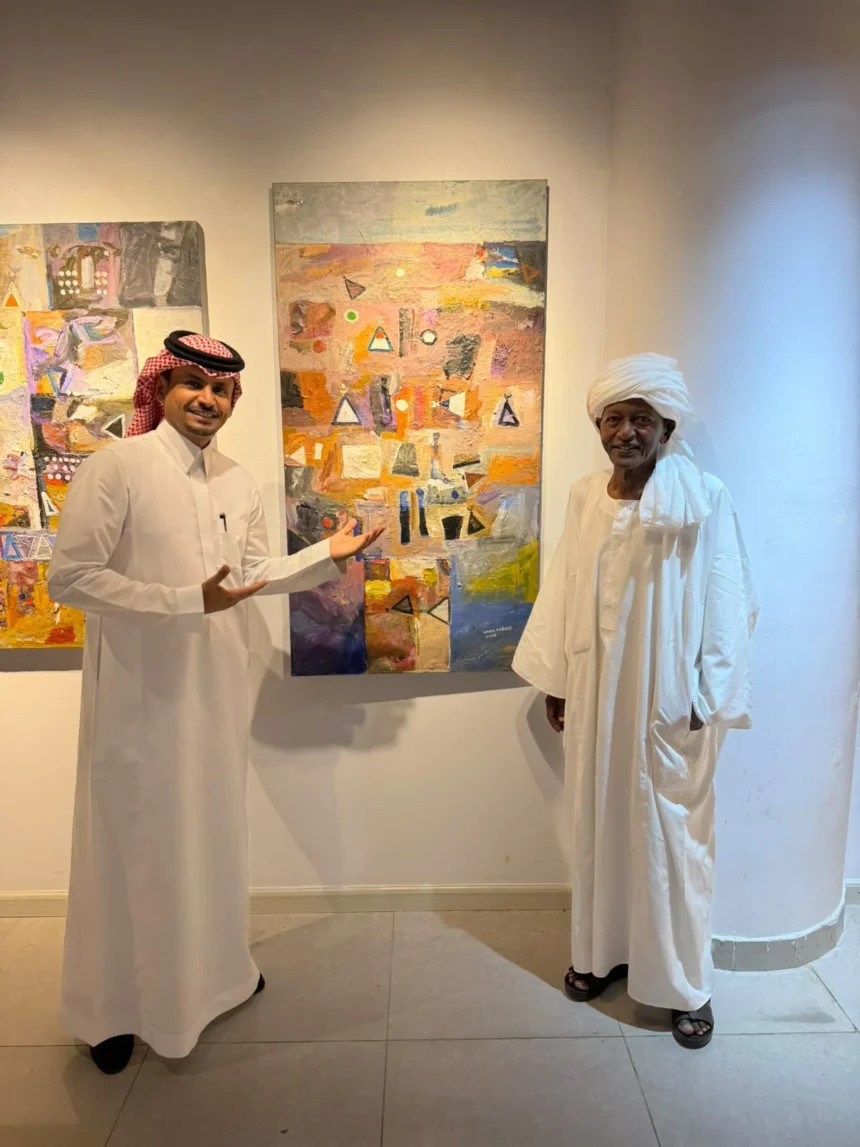
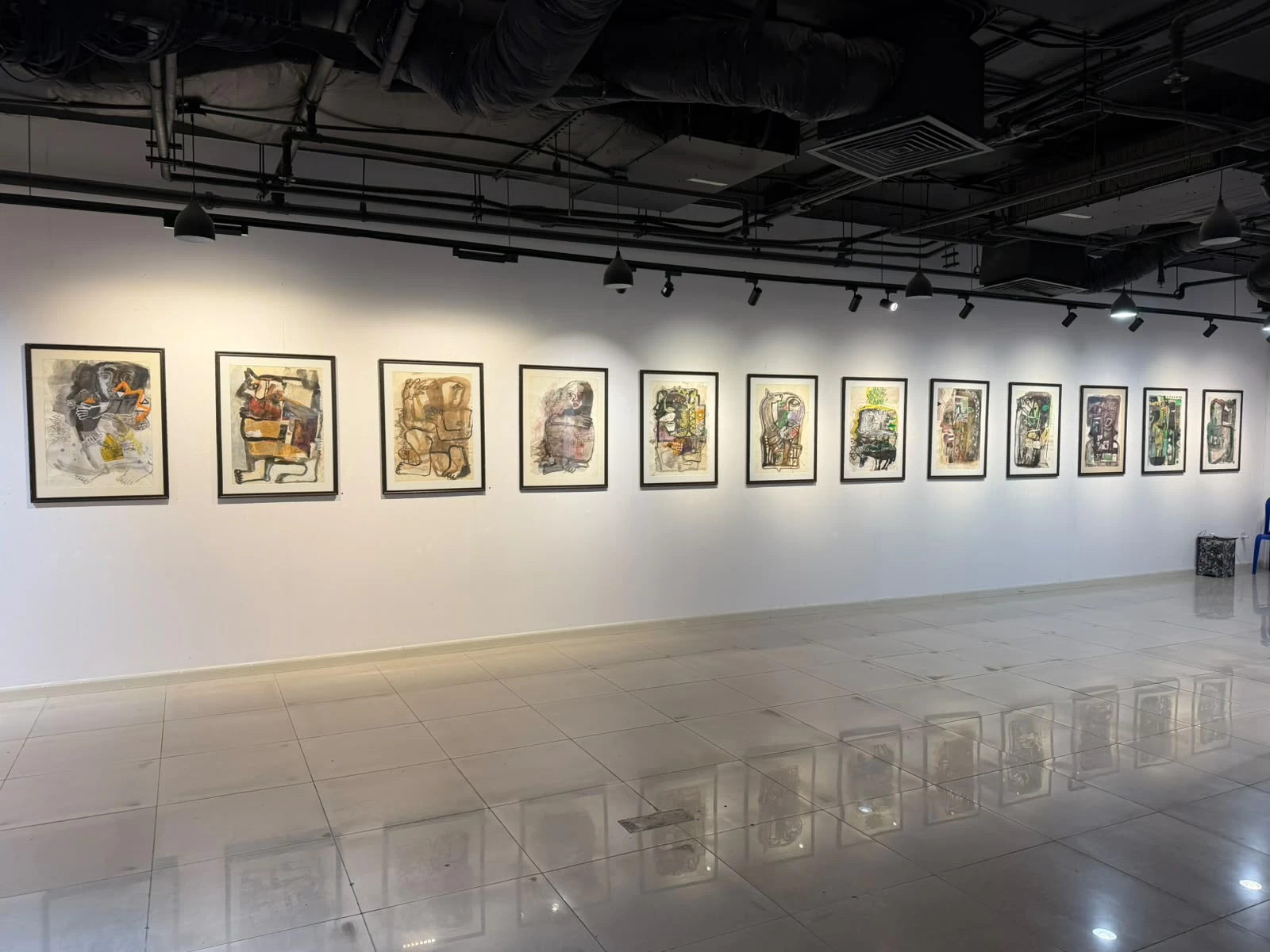
تحضر الذاكرة السودانية برموزها وألوانها وملامح إنسانها في معرض الفنان التشكيلي عمر صبير «أنا أم درمان» الذي يستضيفه أتيليه جدة للفنون الجميلة بحي الروضة حتى 12 نوفمبر الجاري.
وافتتح المعرض في الثالث من نوفمبر على شرف المهندس خالد النهدي، مقدما أعمالا تتنوع بين التجريد والتعبير وتستعيد مفردات البيئة السودانية في تكوينات تجمع الأشكال الإنسانية والطيور والرموز الشعبية مع المساحات الهندسية والألوان الدافئة.
وتكشف اللوحات عن تأثر صبير بمدرسة الخرطوم الفنية التي جمعت بين الموروث الثقافي السوداني وأساليب الفن الحديث. ويتجلى هذا التأثير في توظيف الرموز المحلية والألوان الترابية ضمن تكوينات تتداخل فيها الخطوط والمساحات وتتنوع ملامس الخامات.
وأبدى المهتم بالفنون البصرية عبدالرحمن المسبحي إعجابه بالأعمال المعروضة، مشيرا إلى ما تحمله من لغة تشكيلية خاصة تتجاور فيها الأشكال الإنسانية والطيور والرموز مع مساحات لونية متداخلة وخامات كثيفة الملمس تمنح اللوحات عمقا وتفتح المجال لقراءات متعددة.
وفي أعمال صبير تتجاوز مفردات التراث حدود النقل المباشر، إذ يعيد الفنان تشكيلها وفق رؤيته مستحضرا صلته بالمكان وذاكرته الثقافية. وتتيح هذه المعالجة للمشاهد تتبع مشاعر الانتماء وتفاصيل الحياة السودانية عبر الأشكال والألوان وما تحمله من إشارات ودلالات.
The Sudanese memory, with its symbols, colors, and the features of its people, is present in the exhibition of the visual artist Omar Sabir titled “I am Omdurman,” hosted by the Jeddah Atelier of Fine Arts in the Al-Rawdah neighborhood until November 12.
The exhibition was inaugurated on November 3 in the presence of engineer Khalid Al-Nahdi, showcasing works that vary between abstraction and expression, recalling the elements of the Sudanese environment in compositions that combine human forms, birds, and popular symbols with geometric spaces and warm colors.
The paintings reveal Sabir’s influence by the Khartoum School of Art, which blended Sudanese cultural heritage with modern art techniques. This influence is evident in the use of local symbols and earthy colors within compositions where lines and spaces intertwine, and the textures of materials vary.
Visual arts enthusiast Abdulrahman Al-Masbahi expressed his admiration for the exhibited works, noting the unique artistic language they carry, where human forms, birds, and symbols coexist with interwoven color spaces and dense-textured materials that give the paintings depth and open the door to multiple interpretations.
In Sabir’s works, the elements of heritage transcend the limits of direct representation, as the artist reshapes them according to his vision, invoking his connection to the place and his cultural memory. This approach allows the viewer to trace feelings of belonging and the details of Sudanese life through shapes and colors and the signs and meanings they carry.