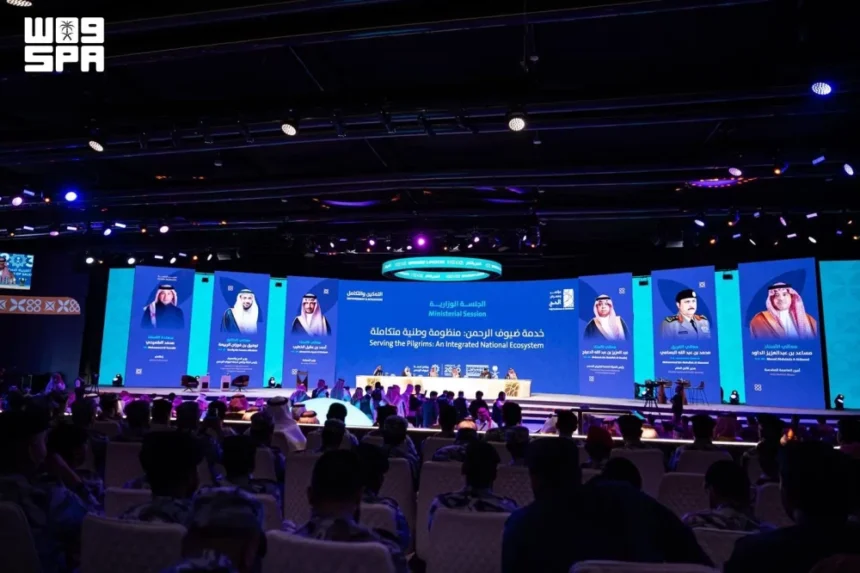
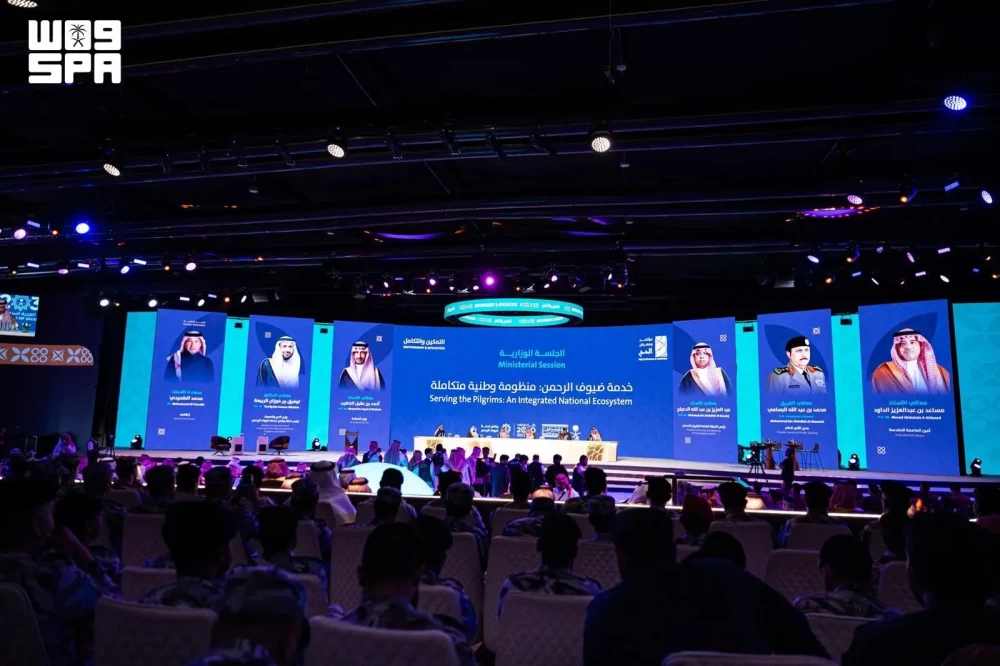
ناقشت جلسة بحثية في مؤتمر الحج اليوم، حوكمة وكلاء الذكاء الاصطناعي في عمليات الحج، والحماية النظامية لحقوق ضيوف الرحمن في البيئة الرقمية، وطرحًا علميًا لحماية نسيج كسوة الكعبة المشرفة بتقنية النانو.
وشارك في الجلسة أستاذ قسم الكيمياء الحيوية ورئيس وحدة الخلايا الجذعية بمركز الملك فهد للبحوث الطبية الدكتور فيصل عبدالرحمن الزهراني، والأستاذ المشارك بجامعة أم القرى الدكتورة أميرة محمد الحربي، والباحثة والمحامية إسراء سعد القرني.
واستعرضت الجلسة إطارًا مقترحًا لحوكمة الذكاء الاصطناعي في الأنظمة الحرجة، يتكون من أربع طبقات، تبدأ بتقييم الحاجة الفعلية لاستخدام الوكيل الذكي وأثره، ثم بناء روابط البيانات ومنح الوكلاء درجة منخفضة جدًا من الاستقلالية، تليها الحوكمة التشغيلية، وتنتهي بالتقييم المستمر للمؤشرات، ومؤشرات الأداء الرئيسة بعد كل دورة عمل.
وتناولت الحوكمة التشغيلية بوصفها جوهر الإطار لتحديد صلاحيات الوكيل والمسؤولية عن أفعاله، استنادًا إلى العدالة وخصوصية البيانات والتدخل البشري والامتثال والسلامة، مع التأكيد على المساءلة المؤسسية لضبط الاستخدام وتقييمه.
وقدمت دراسة حالة مقترحة لإدارة الحشود في منشأة الجمرات، تقوم على فصل وكيل تحليل صور الكاميرات عن وكيل اتخاذ القرار؛ إذ يحوّل الأول بيانات نطاقات المراقبة إلى مؤشرات مجهولة الهوية، فيما يعتمد الثاني على البيانات الوصفية دون الاطلاع على الفيديو، لاقتراح إجراءات مثل التأخير أو الاستمرار أو التصعيد.
كما تناولت التدرج في التطبيق، بدءًا بنموذج «الظل» لاختبار أداء النظام قبل الانتقال إلى تنفيذ أعمال محدودة، ومراعاة متطلبات حماية البيانات والأمن السيبراني واستضافة الأنظمة داخل المملكة، وتبني مبدأ «الخصوصية حسب التصميم»، دون خصائص للتعرف على الوجوه أو التقاط الصوت أو أوامر مباشرة لتتبع الأفراد.
وفي محور الحماية النظامية، استعرضت الجلسة دراسة اعتمدت المنهج الوصفي التحليلي لبحث الحقوق المتأثرة بالتحول الرقمي، وتحليل حماية البيانات الشخصية والخصوصية وحقوق المستفيد في الخدمات الإلكترونية، وتقييم كفاية الحماية النظامية وسبل تعزيزها.
وتناولت الدراسة مفهوم الحماية بوصفه شاملًا لضبط جمع البيانات واستخدامها والاحتفاظ بها ومشاركتها مع الجهات المختصة، إلى جانب حماية المستفيد وتحديد المسؤولية والمساءلة عند وقوع الضرر.
وأكدت أهمية وضوح النصوص النظامية في بيان الحقوق والالتزامات، وشمول الحماية لمختلف مراحل التعامل مع البيانات، وتحديد مسؤوليات الجهات المقدمة للخدمات الرقمية لضيوف الرحمن، وفاعلية تطبيق الضمانات المقررة لحماية الحقوق وإمكانية الاستفادة منها عند الحاجة.
وفي جانب العناية بكسوة الكعبة المشرفة، استعرضت الجلسة طرحًا بحثيًا لاختبار طلاءات نانوية طاردة للماء ومعالجات مضادة للبكتيريا، مع الحفاظ على لون النسيج وملمسه، ومراعاة تعدد مكوناته من الحرير والقطن والأصباغ والتطريز وخيوط الذهب.
وشملت خيارات المعالجة طلاءً من السليكا يساعد على انزلاق قطرات الماء، ومركبات مثبتة على السطح لاختبار أثرها على البكتيريا، وجسيمات فضة نانوية تُحضّر بطرق حيوية، لقياس فاعليتها وكمية الفضة المتحررة منها.
وتضمن الطرح خطة للتحقق التجريبي بمقارنة عينات معالجة بأخرى غير معالجة، وقياس امتصاص الماء وبقايا البكتيريا وثبات اللون والملمس، واختبار استمرار الفاعلية بعد التعرض للرطوبة والاحتكاك والتنظيف والتطييب، تمهيدًا لتقييم ملاءمة المعالجة في ظروف أقرب للاستخدام الفعلي، وبحث توسيع تطبيقاتها مستقبلًا إلى أقمشة المنازل والفنادق.
A research session at the Hajj conference today discussed the governance of artificial intelligence agents in Hajj operations, the regulatory protection of the rights of the guests of Allah in the digital environment, and a scientific proposal for protecting the fabric of the Kaaba using nanotechnology.
Participating in the session were Dr. Faisal Abdulrahman Al-Zahrani, a professor in the Department of Biochemistry and head of the Stem Cell Unit at King Fahd Medical Research Center, Dr. Ameera Mohammed Al-Harbi, an associate professor at Umm Al-Qura University, and researcher and lawyer Israa Saad Al-Qarni.
The session presented a proposed framework for the governance of artificial intelligence in critical systems, consisting of four layers, starting with assessing the actual need for the use of the intelligent agent and its impact, then building data links and granting agents a very low degree of autonomy, followed by operational governance, and ending with the continuous evaluation of indicators and key performance indicators after each work cycle.
Operational governance was addressed as the core of the framework to define the agent’s powers and accountability for its actions, based on fairness, data privacy, human intervention, compliance, and safety, while emphasizing institutional accountability to regulate and evaluate usage.
A proposed case study for crowd management at the Jamaraat facility was presented, which separates the image analysis agent from the decision-making agent; the former converts surveillance data into anonymized indicators, while the latter relies on metadata without viewing the video to suggest actions such as delay, continuation, or escalation.
The session also discussed the gradual implementation, starting with a “shadow” model to test system performance before moving to limited operational tasks, considering data protection and cybersecurity requirements, hosting systems within the Kingdom, and adopting the principle of “privacy by design,” without features for facial recognition, audio capture, or direct commands to track individuals.
In the regulatory protection axis, the session reviewed a study that adopted a descriptive analytical approach to examine the rights affected by digital transformation, analyzing the protection of personal data and privacy and the rights of beneficiaries in electronic services, and evaluating the adequacy of regulatory protection and ways to enhance it.
The study addressed the concept of protection as comprehensive for regulating the collection, use, retention, and sharing of data with relevant authorities, alongside protecting the beneficiary and defining responsibility and accountability in the event of harm.
The importance of clarity in regulatory texts in stating rights and obligations was emphasized, as well as the comprehensiveness of protection across various stages of data handling, defining the responsibilities of entities providing digital services to the guests of Allah, and the effectiveness of applying the established guarantees to protect rights and the possibility of benefiting from them when needed.
In the aspect of caring for the Kaaba’s covering, the session reviewed a research proposal to test water-repellent nanocoatings and antibacterial treatments while maintaining the color and texture of the fabric, considering its various components of silk, cotton, dyes, embroidery, and gold threads.
The treatment options included a silica coating that aids in the sliding of water droplets, surface-fixed compounds to test their effect on bacteria, and silver nanoparticles prepared through biological methods, to measure their effectiveness and the amount of silver released from them.
The proposal included a plan for experimental verification by comparing treated samples with untreated ones, measuring water absorption, bacterial residues, color and texture stability, and testing the persistence of effectiveness after exposure to moisture, friction, cleaning, and perfuming, in preparation for assessing the suitability of the treatment under conditions closer to actual use, and exploring the expansion of its applications in the future to household and hotel fabrics.