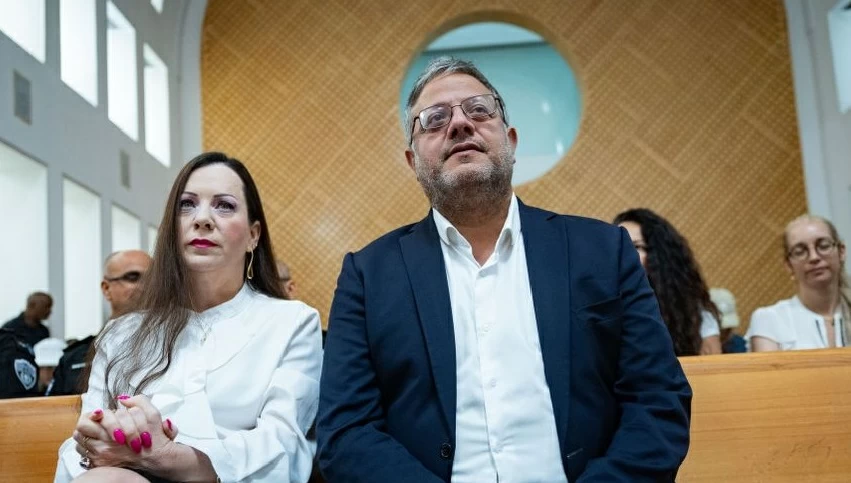
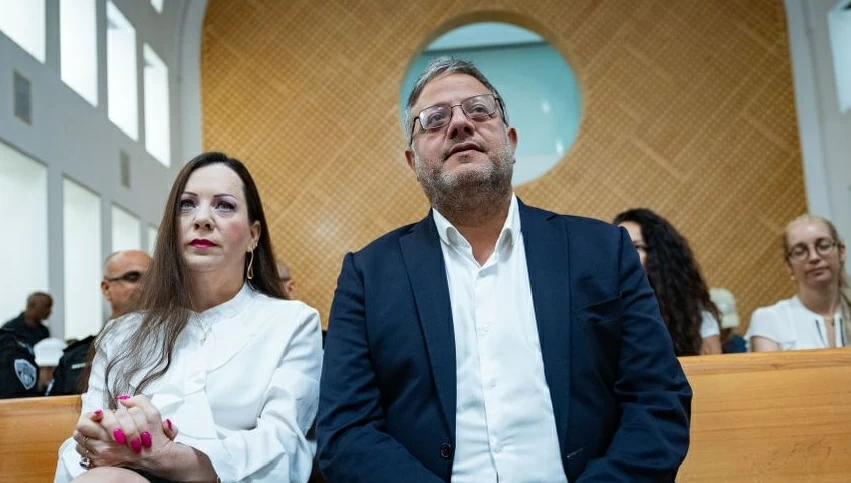
في مشهد سياسي صاخب داخل الكنيست الإسرائيلي، انتهى تصعيد لفظي شاركت فيه النائبة تالي غوتليب، المنتمية إلى حزب (عوتسما يهوديت) الذي يتزعمه إيتمار بن غفير، بإخراجها من اجتماع اللجنة التنظيمية، بعدما تخللت الجلسة اتهامات للنواب العرب بدعم الإرهاب وعبارات حادة أثارت احتجاجات واسعة داخل القاعة.
وشهد الاجتماع الأول للجنة التنظيمية للكنيست، الأربعاء، توترًا متصاعدًا بين نواب الائتلاف والمعارضة، وسط تبادل الاتهامات والإهانات، ما دفع رئيس اللجنة روي فولكمان إلى التدخل مرارًا لمحاولة ضبط الجلسة وإعادة النظام إلى قاعة الاجتماع.
وبحسب تقارير إعلامية إسرائيلية، جاءت المواجهة بعدما وجهت غوتليب اتهامات إلى نواب من الأحزاب العربية، ووصفتهم بأنهم «داعمون للإرهاب»، فيما طالب نواب عرب رئيس اللجنة بالتدخل ووقف التصريحات التي اعتبروها تحريضية ومسيئة. وتصاعدت حدة المواجهة عندما اقتربت غوتليب من النائب وليد الهوشلة، عضو حزب القائمة العربية الموحدة، وكررت اتهامه بدعم الإرهاب، قبل أن يأمر رئيس اللجنة بإخراجها من القاعة إثر استمرار مقاطعتها ومداخلاتها الحادة.
وخلال مرافقتها إلى الخارج، تعالت أصوات نواب عرب بعبارات «برا، برا»، في مشهد عكس حجم التوتر الذي خيم على الاجتماع، بينما واصلت غوتليب إطلاق تصريحاتها؛ بحسب ما أوردته وسائل إعلام إسرائيلية. ولم تقتصر الفوضى على غوتليب، إذ شهد الاجتماع إخراج النائبين ألموغ كوهين وإيريز تدمور أيضًا، بعد سلسلة من المشادات والمقاطعات، في وقت اتهم فيه نواب من الائتلاف أعضاء الأحزاب العربية بإثارة التوتر داخل اللجنة.
وفي المقابل، دافع حزب (عوتسما يهوديت) عن غوتليب، واعتبر إخراجها من الاجتماع خطوة مخزية، زاعمًا أنها تعرضت للإقصاء بسبب تصريحاتها السياسية، فيما أعلن حزب الليكود عزمه تقديم شكوى إلى لجنة الأخلاقيات البرلمانية بشأن إخراج عدد من نوابه.
ويأتي التصعيد في ظل انقسامات سياسية حادة داخل الكنيست الجديد، وتوتر متزايد بشأن مشاركة الأحزاب العربية في ترتيبات تشكيل الحكومة واللجان البرلمانية، وسط خلافات حول طبيعة التعاون السياسي وحدوده.
In a tumultuous political scene within the Israeli Knesset, a verbal escalation involving Deputy Tali Gottlieb, a member of the (Otzma Yehudit) party led by Itamar Ben Gvir, ended with her being removed from a committee meeting after the session was filled with accusations against Arab lawmakers of supporting terrorism and sharp remarks that sparked widespread protests inside the hall.
The first meeting of the Knesset’s organizing committee on Wednesday witnessed rising tensions between coalition and opposition members, with accusations and insults exchanged, prompting committee chairman Roy Folkman to intervene repeatedly in an attempt to maintain order and restore calm to the meeting room.
According to Israeli media reports, the confrontation arose after Gottlieb directed accusations at lawmakers from Arab parties, describing them as “supporters of terrorism,” while Arab lawmakers demanded the committee chairman intervene and stop what they considered inciting and offensive statements. The confrontation intensified when Gottlieb approached Deputy Walid al-Houshaileh, a member of the Joint Arab List, and repeated her accusation of him supporting terrorism, before the committee chairman ordered her removal from the hall due to her continued interruptions and sharp interjections.
As she was escorted out, the voices of Arab lawmakers rose with chants of “Out, out,” reflecting the level of tension that overshadowed the meeting, while Gottlieb continued to make her statements, according to Israeli media reports. The chaos was not limited to Gottlieb, as deputies Almog Cohen and Erez Tadmor were also removed from the meeting after a series of altercations and interruptions, while coalition members accused Arab party members of inciting tension within the committee.
In contrast, the (Otzma Yehudit) party defended Gottlieb, considering her removal from the meeting a disgraceful step, claiming she was marginalized due to her political statements, while the Likud party announced its intention to file a complaint with the parliamentary ethics committee regarding the removal of several of its members.
This escalation comes amid sharp political divisions within the new Knesset and increasing tensions regarding the participation of Arab parties in the arrangements for forming the government and parliamentary committees, amidst disagreements over the nature and limits of political cooperation.