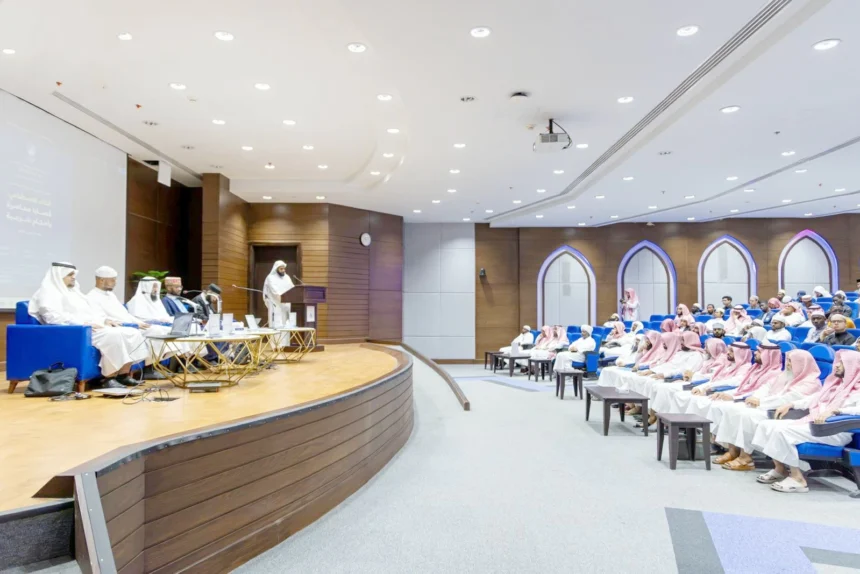
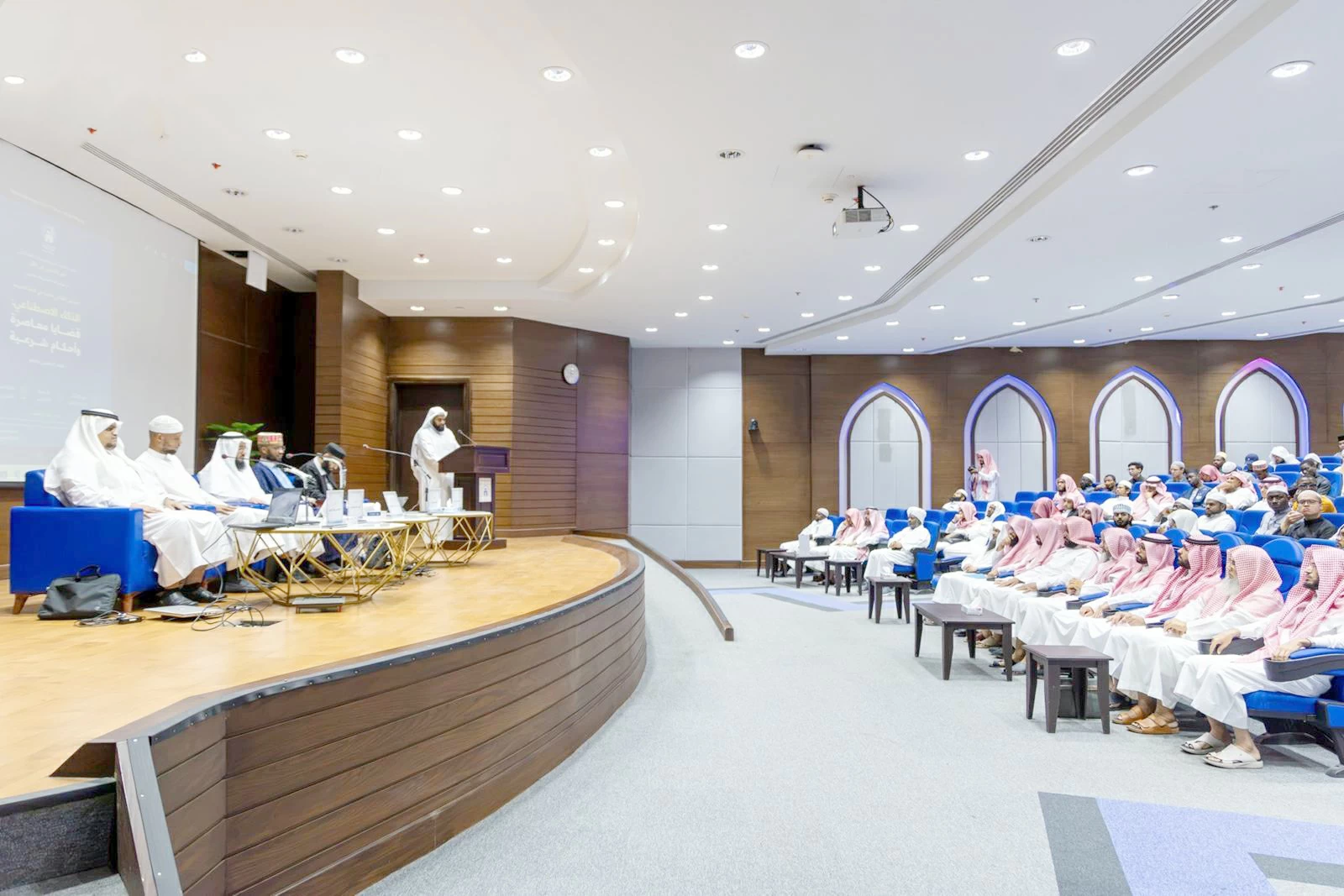
ناقش ملتقى نظّمته الجامعة الإسلامية بالمدينة المنورة، بعنوان «الذكاء الاصطناعي: قضايا معاصرة وأحكام شرعية»، ثلاثة محاور علمية شملت الدراسات الفقهية والأصولية والقضائية، وذلك ضمن فعاليات أسبوع الدراسات العليا الثاني، المقام تحت شعار «من التمكين إلى الأثر» بمقر الجامعة.
واستعرض الملتقى، من خلال خمس أوراق بحثية، عدداً من القضايا والأحكام الشرعية المرتبطة بتطبيقات الذكاء الاصطناعي، وأثر التقنيات الحديثة في العقود والضمان والفتاوى والقضاء.
وتناولت الأوراق البحثية دور القواعد الفقهية والمقاصد الشرعية في ضبط استخدامات الذكاء الاصطناعي، وأثر هذه التقنيات في العقود والضمان، إلى جانب القضايا الفقهية والأصولية والقضائية المرتبطة بتطبيقاتها.
A forum organized by the Islamic University in Medina, titled “Artificial Intelligence: Contemporary Issues and Legal Rulings,” discussed three scientific axes that included jurisprudential, foundational, and judicial studies. This was part of the activities of the second week of graduate studies, held under the slogan “From Empowerment to Impact” at the university’s premises.
The forum presented, through five research papers, a number of issues and legal rulings related to the applications of artificial intelligence, as well as the impact of modern technologies on contracts, guarantees, fatwas, and the judiciary.
The research papers addressed the role of jurisprudential rules and legal objectives in regulating the uses of artificial intelligence, and the impact of these technologies on contracts and guarantees, in addition to the jurisprudential, foundational, and judicial issues related to their applications.