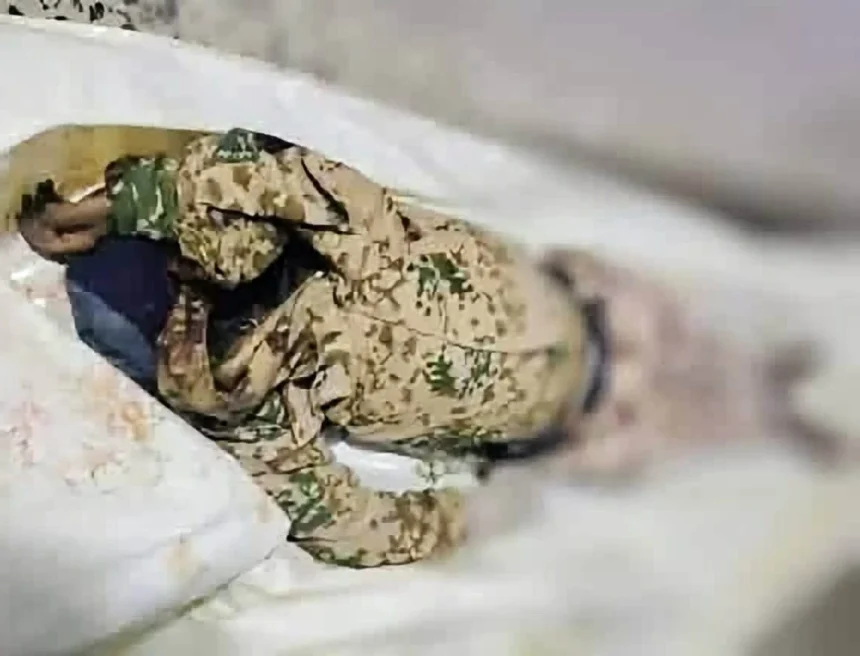
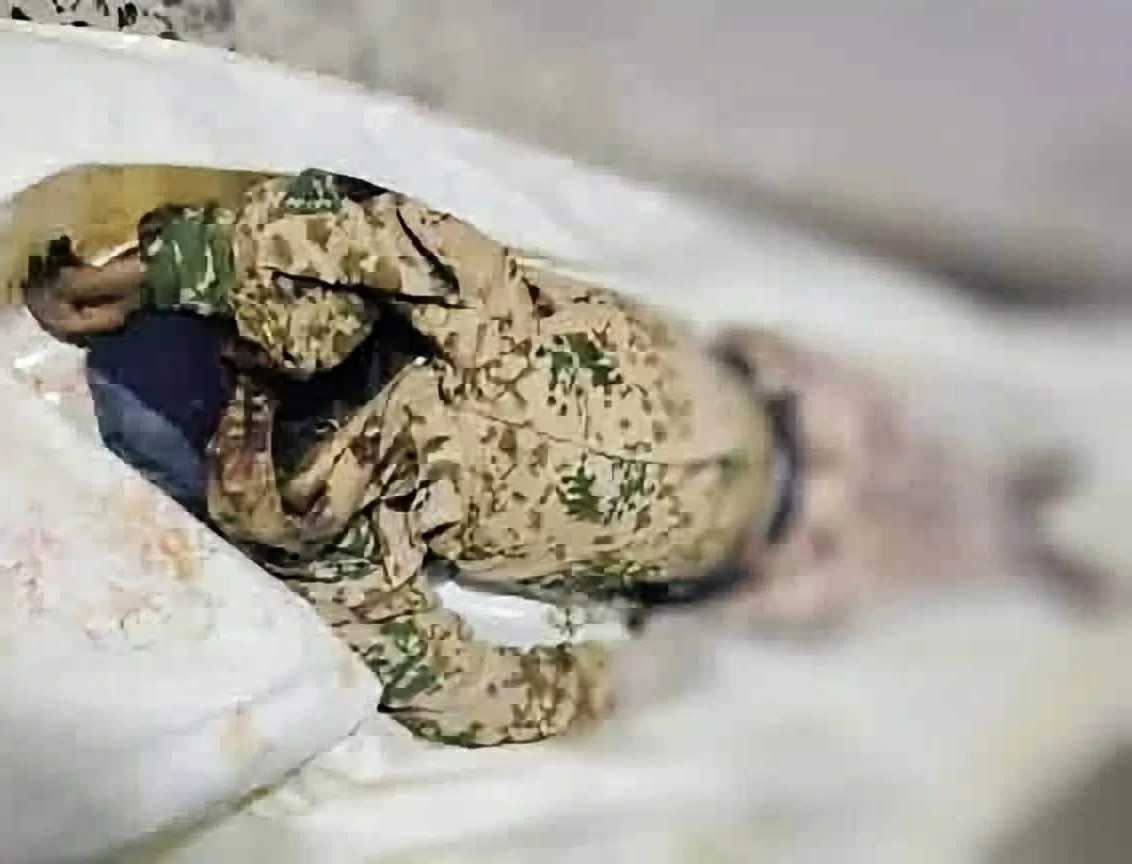
وثق مركز المعلومات والتأهيل لحقوق الإنسان، تعرض 11 جثماناً على الأقل من قتلى القوات الحكومية اليمنية والمقاومة في محافظة تعز لانتهاكات شملت التشويه والتمثيل والحروق بمواد كيميائية، محذراً من أن هذه الممارسات ترقى إلى جرائم حرب تستوجب المساءلة الدولية.
وأوضح المركز، وهو منظمة إقليمية حاصلة على الصفة الاستشارية لدى الأمم المتحدة، في تقرير حقوقي، اليوم (الخميس)، أن ثمانية جثامين تسلمتها الجهات العسكرية والطبية عبر اللجنة الدولية للصليب الأحمر في أكتوبر الماضي أظهرت، وفق تقرير المستشفى العسكري في تعز، تعرضها للتشويه المتعمد، بما في ذلك استخدام مواد كيميائية حارقة وتكسير الأطراف وطمس معالم الوجوه.
وأشار إلى أن ثلاثة جثامين أخرى تعرضت لانتهاكات في جبهة سنامات بجبل صبر خلال نوفمبر الجاري، وفق شهادات أسر الضحايا ومصادر محلية، شملت بتر الأطراف وفقء الأعين وقطع الأذنين، وصب مادة الأسيد على أحد الجثامين، وقطع رأس آخر وانتزاع قلب الثالث.
ودعا المركز إلى ضرورة استكمال التحقق الطبي والجنائي من تفاصيل الواقعة، مؤكداً أن التمثيل بالجثامين، سواء عبر التشويه أو الحرق أو تقطيع الأعضاء، يمثل انتهاكاً جسيماً للقانون الدولي الإنساني وحرمة الموتى والكرامة الإنسانية.
وقال إن القانون الدولي الإنساني، بما في ذلك القاعدة 113 من قواعد القانون الدولي الإنساني العرفي والمادة الثالثة المشتركة من اتفاقيات جنيف، يحظر تدنيس جثامين القتلى والاعتداء على كرامة الأشخاص الذين أصبحوا خارج القتال، فيما يجرّم نظام روما الأساسي للمحكمة الجنائية الدولية هذه الأفعال ضمن جرائم الحرب.
وكشف التقرير عن سوابق لاحتجاز جثامين مقاتلي المقاومة في تعز منذ عام 2016 واستخدام بعضها في المساومة وصفقات تبادل، معتبراً أن الوقائع الأخيرة تشير إلى تصعيد في الانتهاكات من احتجاز الجثامين إلى تشويهها بعد الموت.
وطالب المركز بفتح تحقيق دولي مستقل وعاجل، وإخضاع الجثامين للفحص الطبي والطب الشرعي، وتحديد طبيعة المواد الكيميائية المستخدمة، وحفظ الأدلة والشهادات، والتحقيق في المسؤوليات الفردية والقيادية، بما يضمن عدم إفلات المتورطين من العقاب.
وأكد المركز أن الاعتداء على جثامين الضحايا لا ينتهك حرمة الموتى فحسب، بل يمس كرامة أسرهم والمجتمع، داعياً الأمم المتحدة والمنظمات الدولية إلى التحرك العاجل للتحقيق والمساءلة.
The Information and Rehabilitation Center for Human Rights documented that at least 11 corpses of Yemeni government forces and resistance fighters in Taiz Governorate have been subjected to violations including mutilation, desecration, and burns with chemical substances, warning that these practices amount to war crimes that warrant international accountability.
The center, a regional organization with consultative status at the United Nations, clarified in a human rights report today (Thursday) that eight corpses received by military and medical authorities through the International Committee of the Red Cross last October showed, according to the military hospital report in Taiz, signs of deliberate mutilation, including the use of burning chemicals, limb amputation, and obliteration of facial features.
It noted that three other corpses were subjected to violations on the Snamat front in Mount Saber during this November, according to testimonies from the victims’ families and local sources, which included limb amputation, eye gouging, ear cutting, pouring acid on one of the corpses, decapitating another, and removing the heart of the third.
The center called for the necessity of completing medical and forensic verification of the details of the incident, emphasizing that the desecration of corpses, whether through mutilation, burning, or dismemberment, constitutes a grave violation of international humanitarian law and the sanctity of the dead and human dignity.
It stated that international humanitarian law, including Rule 113 of the customary international humanitarian law and Common Article 3 of the Geneva Conventions, prohibits the desecration of the bodies of the deceased and assaults on the dignity of persons who are out of combat, while the Rome Statute of the International Criminal Court criminalizes these acts as war crimes.
The report revealed precedents of the detention of the bodies of resistance fighters in Taiz since 2016, with some being used for bargaining and exchange deals, considering that the recent incidents indicate an escalation in violations from the detention of corpses to their mutilation after death.
The center demanded the opening of an independent and urgent international investigation, subjecting the corpses to medical and forensic examination, determining the nature of the chemical substances used, preserving evidence and testimonies, and investigating individual and leadership responsibilities, ensuring that those involved do not escape punishment.
The center affirmed that the assault on the corpses of the victims not only violates the sanctity of the dead but also affects the dignity of their families and the community, calling on the United Nations and international organizations to take urgent action for investigation and accountability.