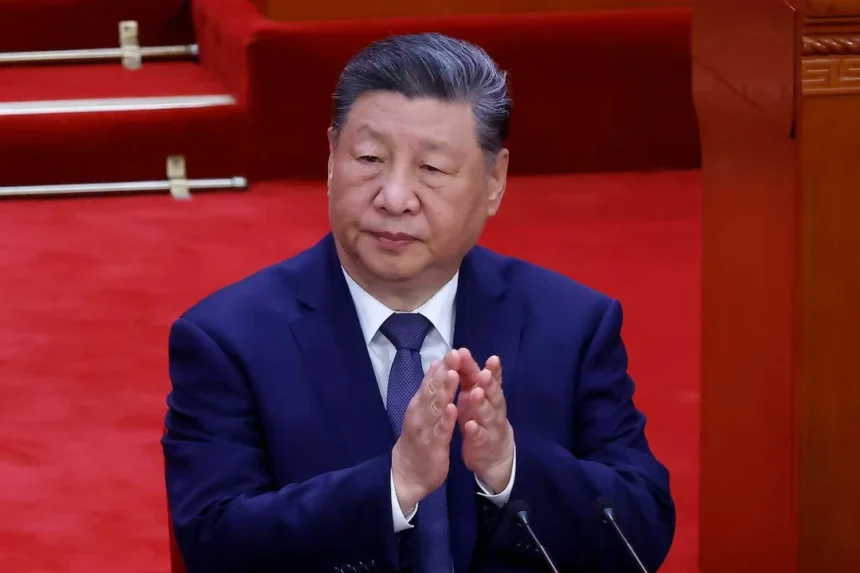
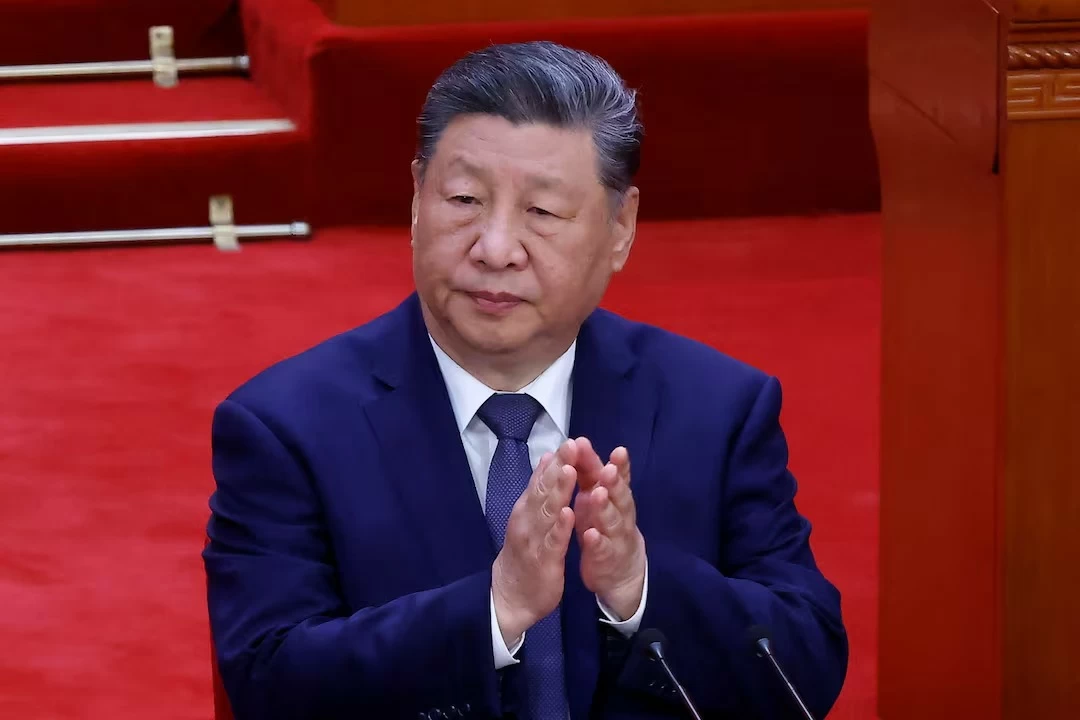
جدد الرئيس الصيني شي جين بينغ، تمسك بلاده بمسألة إعادة توحيد تايوان مع البر الرئيسي الصيني، مؤكداً أن «تيار التاريخ لا يمكن إيقافه»، ومشدداً على أن تحقيق ما وصفه بالوحدة الكاملة للوطن سيحدث حتماً، في تصريحات أثارت رفضاً جديداً من حكومة تايوان، التي أكدت تمسكها برفض صيغة «دولة واحدة ونظامان».
وقال شي، خلال كلمة ألقاها، اليوم (الخميس) في قاعة الشعب الكبرى بالعاصمة بكين، إن حل قضية تايوان يمثل «مهمة تاريخية ثابتة» للحزب الشيوعي الصيني، مضيفاً أن إعادة توحيد الوطن بالكامل أمر لا بد من تحقيقه.
ولم يتطرق الرئيس الصيني في خطابه إلى استخدام القوة العسكرية لتحقيق هذا الهدف، لكنه جدد تأكيد سياسة بلاده القائمة على ما تسميه «إعادة التوحيد السلمي»، إلى جانب صيغة «دولة واحدة ونظامان».
وتعتبر بكين تايوان جزءاً من أراضيها، رغم رفض الجزيرة الخاضعة لحكم ديمقراطي لهذا الموقف، فيما تواصل الحكومة الصينية طرح نموذج للحكم الذاتي تحت السيادة الصينية، وهو نموذج لا يحظى بتأييد أي من الأحزاب السياسية الرئيسية في تايوان.
تايوان ترفض صيغة «دولة واحدة ونظامان»
وفي رد سريع على تصريحات شي، رفض مجلس شؤون البر الرئيسي التايواني المقترح الصيني، مؤكداً أن الحكومة والشعب في تايوان لا يمكنهما قبول صيغة «دولة واحدة ونظامان»، التي قال إنها تعني في نهاية المطاف الخضوع لحكم الحزب الشيوعي الصيني.
وقال المتحدث باسم المجلس، ليانغ ون جيه، إن التصريحات المتعلقة بإعادة توحيد تايوان لا تختلف كثيراً عن المواقف الصينية السابقة، في إشارة إلى استمرار تمسك بكين برؤيتها السياسية تجاه الجزيرة.
وتتمسك حكومة الرئيس التايواني لاي تشينغ تي بحق سكان الجزيرة في تقرير مستقبلهم السياسي، وترفض المطالب الصينية التي تعتبر تايوان جزءاً لا يتجزأ من أراضيها.
29 طائرة عسكرية صينية حول الجزيرة
وعلى الرغم من تأكيد شي جين بينغ على تفضيل إعادة التوحيد السلمي، تواصل القوات المسلحة الصينية تنفيذ أنشطة عسكرية بصورة يومية في محيط تايوان، بالتزامن مع توسيع نطاق تحركاتها في المحيط الهادئ.
وفي تطور ميداني متزامن مع تصريحات الرئيس الصيني، أعلنت وزارة الدفاع التايوانية رصد 29 طائرة عسكرية صينية، من بينها مقاتلات من طراز «J-16» وطائرات مسيّرة، تنفذ دورية مشتركة للاستعداد القتالي حول الجزيرة، بالتنسيق مع سفن حربية صينية، اعتباراً من الخميس.
وتأتي هذه التحركات في ظل استمرار التوترات العسكرية والسياسية بين بكين وتايبيه، مع تزايد المخاوف من انعكاسات النشاط العسكري الصيني على أمن منطقة شرق آسيا والمحيط الهادئ.
قمة مرتقبة بين شي وترمب تزيد أهمية الملف
وتكتسب تصريحات الرئيس الصيني أهمية إضافية لتزامنها مع الاستعدادات لقمة منتدى التعاون الاقتصادي لدول آسيا والمحيط الهادئ «أبيك»، المقرر عقدها بعد أسبوع في مدينة شنتشن الصينية، حيث من المنتظر أن يلتقي شي جين بينغ الرئيس الأمريكي دونالد ترمب مجدداً.
ويأتي ملف تايوان ضمن أبرز القضايا الحساسة في العلاقات الأمريكية الصينية، خصوصاً في ظل الخلافات المتعلقة بالأمن الإقليمي والتجارة والتكنولوجيا والسياسة العسكرية في منطقة المحيطين الهندي والهادئ.
كما تتزامن التصريحات مع اقتراب انتخابات محلية مهمة في تايوان، والمقرر إجراؤها بعد أكثر من أسبوعين، ما يضيف بعداً سياسياً داخلياً إلى توقيت الرسائل الصادرة عن بكين.
وكانت السلطات التايوانية قد دعت مواطنيها الشهر الماضي إلى تجنب المشاركة في الفعاليات الصينية المرتبطة بإحياء ذكرى الزعيم الثوري صن يات صن، متهمة بكين بتقديم قراءة مشوهة لتاريخه وإرثه السياسي.
صن يات صن.. شخصية تاريخية محل خلاف بين بكين وتايبيه
وألقى شي خطابه بمناسبة الذكرى الـ160 لميلاد صن يات صن، الذي يُعد من أبرز الشخصيات التاريخية في الصين، وأسهم في قيادة ثورة عام 1911 التي أنهت قروناً من الحكم الإمبراطوري ومهدت لقيام جمهورية الصين.
ووصف الرئيس الصيني صن يات صن بأنه بطل وطني عظيم ووطني مخلص ورائد للثورة الديمقراطية الصينية، مشيراً إلى تمسكه بوحدة البلاد وتضامن الشعب الصيني، ومعارضته كل ما من شأنه تقسيم الدولة أو الأمة.
وتعتبر بكين صن يات صن شخصية وطنية بارزة ومقدمة تاريخية للثورة الشيوعية التي انتهت عام 1949 بانتصار الحزب الشيوعي، وفرار حكومة جمهورية الصين المهزومة إلى تايوان، حيث استمرت في الحكم هناك.
وفي المقابل، يحظى صن بمكانة رمزية كبيرة في تايوان، إذ يُعرف رسمياً بلقب «أبو الأمة»، وتُعرض صورته داخل المكتب الرئاسي، رغم أن مبادئه السياسية الثلاثة لم تعد مادة دراسية إلزامية للطلاب.
خلاف تاريخي حول هوية الصين والانتصار في الحرب العالمية الثانية
ولا يقتصر الخلاف بين بكين وتايبيه على مستقبل تايوان، بل يمتد إلى تفسير محطات رئيسية من التاريخ الصيني، وفي مقدمتها دور الأطراف الصينية في الانتصار بالحرب العالمية الثانية.
وتبدي تايوان اعتراضاً على محاولات بكين نسب الفضل إليها في تحقيق النصر على اليابان، مؤكدة أن حكومة جمهورية الصين هي التي قاتلت إلى جانب الحلفاء خلال الحرب العالمية الثانية، في حين لم تكن جمهورية الصين الشعبية قد تأسست آنذاك، إذ أُعلنت عام 1949.
وفي الوقت نفسه، تصف بكين الرئيس التايواني لاي تشينغ تي بأنه شخصية انفصالية، وترفض إجراء حوار مباشر معه، بينما يؤكد لاي أن تحديد مستقبل تايوان السياسي حق حصري لشعبها.
وتعكس التصريحات الصينية الأخيرة استمرار التباعد بين موقفي الطرفين، في ظل تمسك بكين بمبدأ «الصين الواحدة» ورفض تايبيه الخضوع لنموذج الحكم الذي تطرحه السلطات الصينية.
Chinese President Xi Jinping reaffirmed his country’s commitment to the issue of reunifying Taiwan with mainland China, asserting that “the tide of history cannot be stopped,” and emphasizing that achieving what he described as the complete unity of the homeland will inevitably happen. These statements provoked a new rejection from the Taiwanese government, which reiterated its refusal of the “one country, two systems” formula.
During a speech delivered today (Thursday) at the Great Hall of the People in Beijing, Xi stated that resolving the Taiwan issue represents a “historical mission” for the Chinese Communist Party, adding that complete reunification of the homeland is a necessity.
The Chinese president did not address the use of military force to achieve this goal in his speech, but he reiterated his country’s policy based on what it calls “peaceful reunification,” alongside the “one country, two systems” formula.
Beijing considers Taiwan a part of its territory, despite the island’s democratic government rejecting this stance, while the Chinese government continues to propose a model of autonomy under Chinese sovereignty, a model that lacks support from any of the major political parties in Taiwan.
Taiwan Rejects the “One Country, Two Systems” Formula
In a swift response to Xi’s statements, the Mainland Affairs Council of Taiwan rejected the Chinese proposal, asserting that the government and people of Taiwan cannot accept the “one country, two systems” formula, which it claims ultimately means submission to the rule of the Chinese Communist Party.
The council’s spokesperson, Liang Wenjie, stated that the remarks regarding Taiwan’s reunification do not differ much from previous Chinese positions, indicating Beijing’s continued adherence to its political vision regarding the island.
The government of Taiwanese President Lai Ching-te insists on the right of the island’s residents to determine their political future and rejects Chinese demands that consider Taiwan an inseparable part of its territory.
29 Chinese Military Aircraft Around the Island
Despite Xi Jinping’s emphasis on preferring peaceful reunification, the Chinese armed forces continue to conduct military activities daily around Taiwan, coinciding with the expansion of their movements in the Pacific.
In a field development coinciding with the Chinese president’s statements, Taiwan’s Ministry of Defense announced the detection of 29 Chinese military aircraft, including J-16 fighter jets and drones, conducting a joint patrol for combat readiness around the island, in coordination with Chinese warships, starting Thursday.
These movements come amid ongoing military and political tensions between Beijing and Taipei, with increasing concerns about the implications of Chinese military activity on the security of the East Asia and Pacific region.
Upcoming Summit Between Xi and Trump Increases the Importance of the Issue
Xi’s statements gain additional significance as they coincide with preparations for the Asia-Pacific Economic Cooperation (APEC) summit, scheduled to be held in a week in Shenzhen, China, where Xi Jinping is expected to meet again with U.S. President Donald Trump.
The Taiwan issue is among the most sensitive matters in U.S.-China relations, especially amid disputes related to regional security, trade, technology, and military policy in the Indo-Pacific region.
Moreover, the statements coincide with the approach of important local elections in Taiwan, scheduled to take place in just over two weeks, adding an internal political dimension to the timing of the messages coming from Beijing.
Last month, Taiwanese authorities urged their citizens to avoid participating in Chinese events related to commemorating revolutionary leader Sun Yat-sen, accusing Beijing of presenting a distorted reading of his history and political legacy.
Sun Yat-sen: A Historical Figure of Dispute Between Beijing and Taipei
Xi delivered his speech on the occasion of the 160th anniversary of Sun Yat-sen’s birth, who is considered one of the most prominent historical figures in China and contributed to leading the 1911 revolution that ended centuries of imperial rule and paved the way for the establishment of the Republic of China.
The Chinese president described Sun Yat-sen as a great national hero, a loyal patriot, and a pioneer of the Chinese democratic revolution, noting his commitment to the unity of the country and solidarity of the Chinese people, and his opposition to anything that would divide the state or the nation.
Beijing considers Sun Yat-sen a prominent national figure and a historical precursor to the communist revolution that ended in 1949 with the victory of the Communist Party, while the defeated government of the Republic of China fled to Taiwan, where it continued to rule.
In contrast, Sun holds significant symbolic status in Taiwan, where he is officially known as the “Father of the Nation,” and his image is displayed inside the presidential office, although his three political principles are no longer mandatory study material for students.
Historical Dispute Over China’s Identity and Victory in World War II
The dispute between Beijing and Taipei is not limited to Taiwan’s future but extends to the interpretation of key milestones in Chinese history, particularly the role of Chinese parties in the victory of World War II.
Taiwan objects to Beijing’s attempts to claim credit for the victory over Japan, asserting that the government of the Republic of China fought alongside the Allies during World War II, while the People’s Republic of China had not yet been established, as it was declared in 1949.
At the same time, Beijing describes Taiwanese President Lai Ching-te as a separatist figure and refuses to engage in direct dialogue with him, while Lai insists that determining Taiwan’s political future is an exclusive right of its people.
Recent Chinese statements reflect the ongoing divergence between the positions of both sides, amid Beijing’s insistence on the “one China” principle and Taipei’s rejection of submission to the governance model proposed by Chinese authorities.