
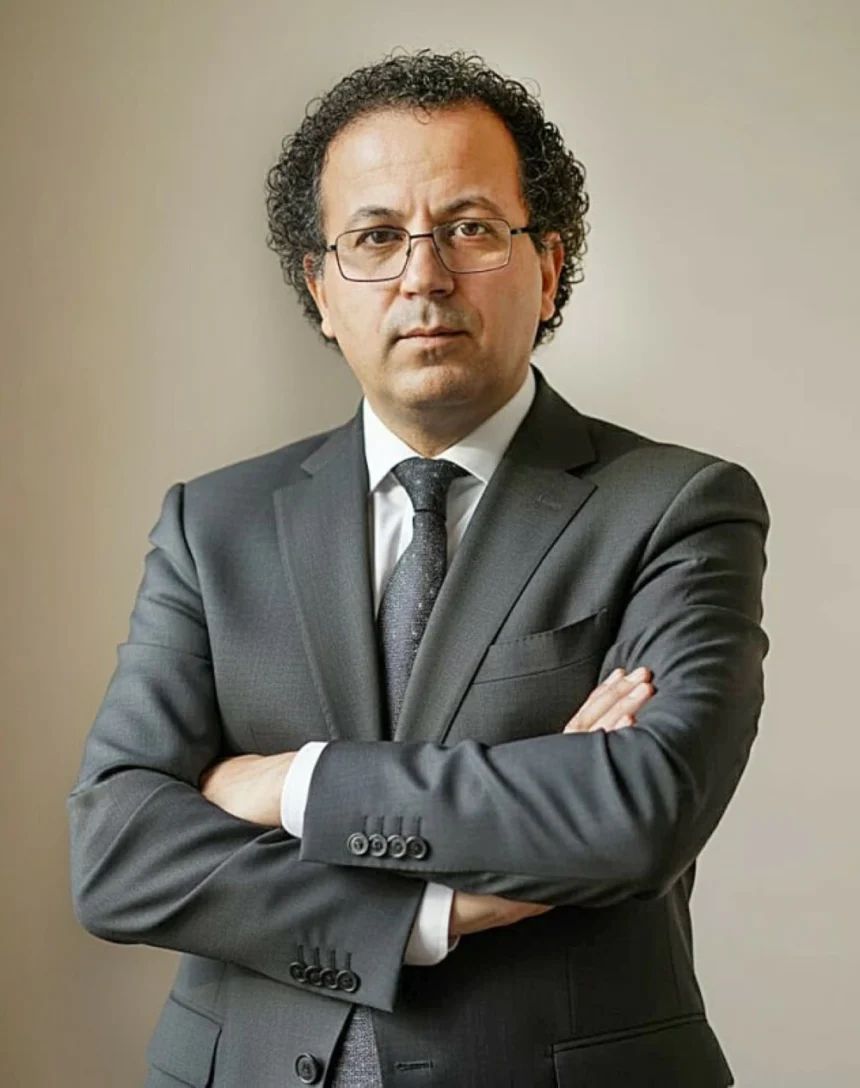
تعالج القصص الـ13 المكونة للمجموعة القصصية «سوابيط مظلمة» للكاتب السعودي موسى الثنيان، الصادرة عن دار الانتشار العربي سنة 2021، إشكالية عدم رضى الشخصيات على حالها ووضعها، وكيف ترى نفسها مكبّلة بإكراهات داخلية وأخرى خارجية تجعلها عاجزة عن الفعل وغير قادرة على تغيير أوضاعها، بل تمنعها في بعض الأحيان من التعبير عما يخالجها من رغبات ومساعٍ وأحلام يقظة، وتحول دون قدرة الشخصيات على تحويلها إلى أفعال منفلتة من سلطة رقابتها.
تمكّن موسى الثنيان من رسم شخصيات قصصية تجد جلّها نفسها تعيش وضعيات وجودية صعبة تحدّ من كل محاولاتها لتغيير واقعها، فتشعر بأنها عاجزة وأن حرّيتها منقوصة، وحتى لو تحقّقت بعض رغباتها تكون في منظورها غير ذات جدوى، ولا ترضى بها، وتبقى كل مساعيها للانعتاق حبيسة أحلام يقظتها، فتتساكن مع أوضاعها وترضخ لسلطتها، كما يظهر ذلك في قصة «سوابيط مظلمة» أول قصة في المجموعة وأطولها التي جعل منها الكاتب عنواناً للمجموعة.
توسيعاً منه لما تعانيه شخصياته القصصية من إكراهات وبغية جعل هذه الأخيرة كوناً قصصياً مؤطراً لعوالم مجموعته، نوّع الكاتب من شخصياته فراوحت بين شخصيات آدمية وأخرى حيوانية، وتحديداً الطيورالتي كان لها حضور كبير في جل قصص المجموعة، كما حضرت الجمادات كشخصيات أسند لها الإنسان بعض الأدوار كالفزاعة وعصفور الساعة التي تنجح في أدائها مؤقتاً، ثم سرعان ما تتوقّف بفعل أسباب خارجة عن إرادتها، دون أن ننسى توظيفه لشخصيات من عالم الجن.
تتماهى شخصيات المجموعة في ما تعيشه من وضعيات (الخضوع لإكراهات داخلية وخارجية، العجز، الضيق…) ولا ترغب في استمرارها وتحاول بكل ما أوتيت من رغبات لتجاوزها، وهو الأمر الذي يقود إلى تقاطع طموحاتها، المتمثلة في الغالب في رفضها واقعها وحالها، وعملها على التعايش معه حين تدرك فشل مساعيها لتغييره، وتعي أن أي محاولة منها لتغييره تفوق إرادتها، ليؤكد القاص أن ما يهمه ليس نجاح أو فشل الشخصيات بقدر ما يهمه النفاذ إلى أزمتها النفسية والوجودية.
في الغالب ما تخيَّب مساعي الشخصيات وطموحاتها وتعجز عن التمكن من الوصول إلى مرادها، أو تصل إلى ما لم تكن ترغب فيه، ولو وصلت إلى مسعاها يكون ذلك بعد فوات الأوان ويصير بلوغها له من دون جدوى. تجد الشخصيات نفسَها عموماً عاجزة عن التحرّر (فيروز، الفزاعة، السمكة…)، أو تدرك أنها كانت ضحية لخداع فترضى بحالها وتقبل بوضعها، وبهذا المعنى ترصد قصص المجموعة حجم آمال الشخصيات وصلابة ما يواجهها من إكراهات.
لكن ما تريد قصص مجموعة «سوابيط مظلمة» تأكيده هو أن الشخصيات المحركة لأحداثها، حتى لو كانت عاجزة عن تغيير وضعها بفعل قوة الإكراه التي تقلل من شأن رغباتها وتحد من طموحها، فإننا نجد هذه الشخصيات على الأقل واعية بهذا الإكراه وبجسامته وصعوبة حلحلته، ويُحسب لها محاولة إثارته والخوض فيه، أو على الأقل تبدو لنا الشخصيات تتمتع بالقدرة على اقتناص ما يسعدها ولو للحظات مسروقة من الزمن نكاية في تلك الإكراهات.
تقترب قصص هذه المجموعة من عوالم الحكاية الشعبية، من حيث اجتراح الكاتب لعوالم القرى كفضاءات لأحداث قصصه، ومن حيث حضور شخصيات إنسانية من طبقات اجتماعية دنيا تعيش أغلبها في البادية تشكّل الحكاية مكوناً أساسياً لثقافتها ولنظرتها لذاتها وللعالم من حولها، كما تحضر شخصيات حيوانية تؤكد تقارب الإنسان مع الطبيعة، إضافة إلى شخصيات أخرى عبارة عن جمادات صنعها الإنسان لاستعماله في حاجاته وشخصيات أخرى خرافية مؤسسة لعالم قصصي موسوم بواقعية سحرية.
تتداخل بعض قصص المجموعة مع عوالم الحكاية الشعبية عبْر جسر الحلم بأحداثها وشخصياتها وتحولاتها المفاجئة التي تمتد من الممكن إلى العجيب والخارق، بل تصير القصة في بعض الأحيان إعادة كتابة للحكاية الشعبية، وبالتالي تكون امتدادات لها، لكن بصيغة جديدة تلائم العوالم القصصية التي اختلقها الكاتب كما هي الحال في قصة «سمكة البدحة».
The 13 stories that make up the short story collection “Dark Swamps” by Saudi writer Mousa Al-Thunayan, published by Dar Al-Intishar Al-Arabi in 2021, address the issue of the characters’ dissatisfaction with their condition and situation, and how they see themselves shackled by internal and external constraints that render them incapable of action and unable to change their circumstances. In fact, these constraints sometimes prevent them from expressing their desires, aspirations, and daydreams, hindering their ability to transform them into actions free from the authority of their own scrutiny.
Mousa Al-Thunayan skillfully portrays characters who find themselves living in difficult existential situations that limit all their attempts to change their reality. They feel powerless and that their freedom is diminished, and even when some of their desires are fulfilled, they perceive them as futile and remain unsatisfied. All their efforts for liberation remain confined to their daydreams, leading them to coexist with their conditions and submit to their authority, as illustrated in the story “Dark Swamps,” the first and longest story in the collection, which the author chose as the title for the collection.
To expand on what his characters endure in terms of constraints and to create a narrative universe that frames the worlds of his collection, the author diversified his characters, ranging from human figures to animal ones, specifically birds, which have a significant presence in most of the stories. Inanimate objects also appear as characters assigned roles by humans, such as the scarecrow and the clock bird, which manage to perform their roles temporarily, only to soon stop due to reasons beyond their control, not to mention the inclusion of characters from the world of jinn.
The characters in the collection resonate with the situations they experience (submission to internal and external constraints, helplessness, distress…) and do not wish for their continuation, trying with all their desires to overcome them. This leads to a convergence of their ambitions, which often manifest in their rejection of their reality and condition, and their attempts to coexist with it when they realize their efforts to change it have failed, recognizing that any attempt to change it exceeds their will. The author emphasizes that what matters to him is not the success or failure of the characters, but rather accessing their psychological and existential crisis.
Often, the characters’ efforts and ambitions are thwarted, leaving them unable to achieve their desires, or they may reach something they did not wish for. Even if they attain their goals, it is often too late, rendering their achievement pointless. The characters generally find themselves incapable of liberation (like Fayrouz, the scarecrow, the fish…), or they realize they have been victims of deception, leading them to accept their condition and situation. In this sense, the stories of the collection reflect the extent of the characters’ hopes and the rigidity of the constraints they face.
However, what the stories of the “Dark Swamps” collection aim to affirm is that the characters driving the events, even if they are powerless to change their situation due to the force of constraints that diminish their desires and limit their ambitions, are at least aware of this constraint and its gravity and the difficulty of unraveling it. They deserve credit for attempting to provoke it and delve into it, or at least the characters appear to have the ability to seize what brings them happiness, even if only for stolen moments from time, in defiance of those constraints.
The stories in this collection approach the realms of folk tales, as the author creates village settings as spaces for his stories’ events, and as they feature human characters from lower social classes, most of whom live in rural areas where storytelling is a fundamental component of their culture and their view of themselves and the world around them. Animal characters also appear, emphasizing the closeness of humans to nature, in addition to other characters that are inanimate objects created by humans for their needs, and other mythical characters that establish a narrative world marked by magical realism.
Some stories in the collection intertwine with the realms of folk tales through a bridge of dreams with their events, characters, and sudden transformations that extend from the possible to the strange and extraordinary. In fact, the story sometimes becomes a rewriting of a folk tale, thus serving as an extension of it, but in a new form that suits the narrative worlds the author has invented, as is the case in the story “The Fish of Al-Badha.”