لم تعد الاحتجاجات المرتبطة بارتفاع تكاليف المعيشة ظاهرة محصورة في دولة أوروبية واحدة، بل تحولت إلى مشهدٍ عابرٍ للحدود امتد من فرنسا إلى إيطاليا وبلجيكا والبرتغال وألبانيا وإسبانيا، وسط تصاعد الضغوط الاقتصادية واتساع دائرة التذمر الشعبي من الأوضاع المعيشية والخدمات العامة.
اشتباكات في إيطاليا
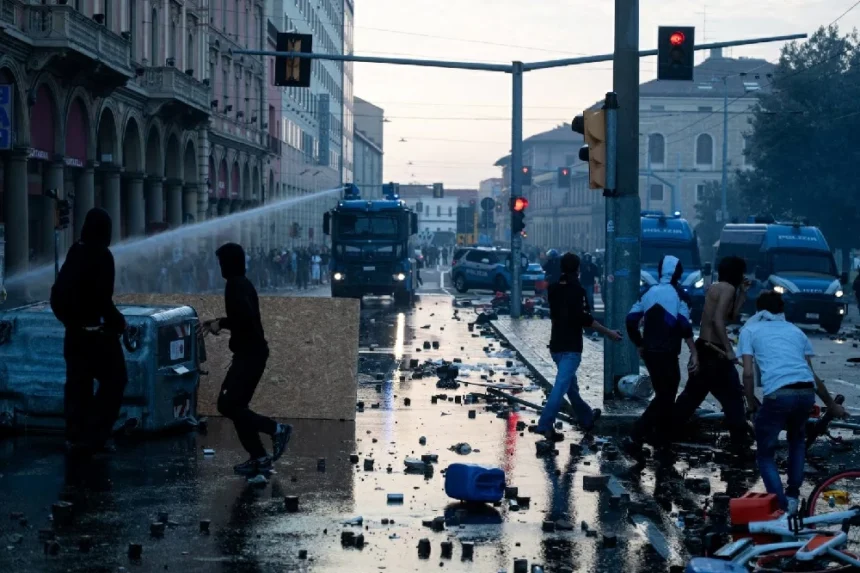
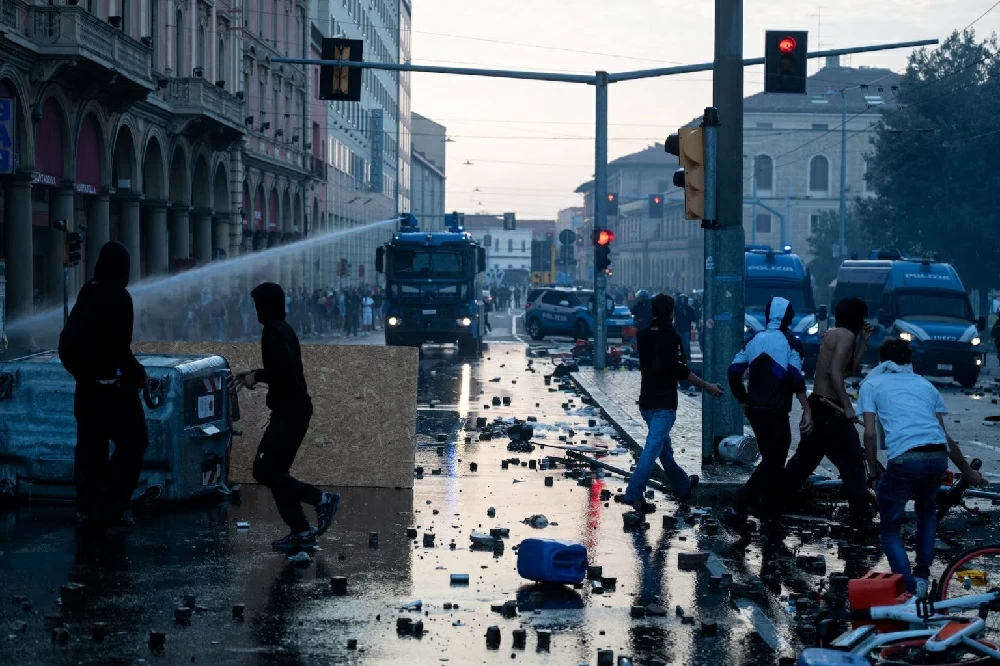
شهدت عدة مدن إيطالية؛ من بينها ميلانو وتورينو وبولونيا وبيرجامو، مواجهات على هامش مظاهرات احتجاجية، بعدما اندس ملثمون بين المتظاهرين ورشقوا قوات الأمن بالحجارة والزجاجات والألعاب النارية، ما أسفر عن إصابات في صفوف الشرطة والمتظاهرين وإجراء عشرات الاعتقالات؛ وفق تقارير إعلامية أوروبية.
البرتغال تحت الضغط
وفي البرتغال، تظاهر عشرات الآلاف في العاصمة لشبونة احتجاجًا على تفاقم أزمة السكن وارتفاع تكاليف المعيشة، مطالبين بتحسين الأجور والمعاشات ومواجهة الارتفاع المتواصل في أسعار المنازل والإيجارات، التي باتت من بين أكثر الملفات إلحاحًا على الساحة السياسية.
أسباب تتشابه أوروبيًا
ورغم اختلاف الظروف المحلية بين دولة وأخرى، فإن المحتجين يرفعون مطالب متقاربة تتمثل في مواجهة الغلاء وارتفاع أسعار الطاقة والوقود والمواد الغذائية، إلى جانب المطالبة بتحسين الرواتب والخدمات العامة، والحد من الضغوط التي تواجه الطبقات المتوسطة وذوي الدخل المحدود.
تداعيات اقتصادية وأمنية
وتنظر الحكومات الأوروبية بقلق إلى اتساع رقعة الاحتجاجات، خصوصًا مع تزايد قدرة أحزاب المعارضة والحركات الاحتجاجية على استثمار حالة الغضب الشعبي. كما تواجه بعض الائتلافات الحاكمة تحديات إضافية في ظل هشاشة التوازنات السياسية وصعوبة تمرير إصلاحات اقتصادية غير شعبية.
وأدت الاحتجاجات في بعض الدول إلى تعطيل حركة النقل والخدمات وشهدت أعمال شغب واشتباكات وعمليات تخريب ونهب طالت متاجر ومرافق عامة، الأمر الذي ضاعف الضغوط الأمنية والاقتصادية على الحكومات الساعية إلى احتواء الموقف ومنع انزلاق الاحتجاجات إلى موجات فوضى أوسع.
اختبار سياسي مفتوح
ويرى مراقبون أن أوروبا تقف أمام اختبار حساس خلال الفترة المقبلة، إذ إن استمرار الضغوط المعيشية دون حلول ملموسة قد يدفع نحو مزيد من الاحتجاجات، في وقت تسابق فيه الحكومات الزمن لاستعادة ثقة الشارع واحتواء حالة الغضب المتنامية قبل أن تتحول إلى أزمة سياسية أشمل على مستوى القارة.
The protests linked to rising living costs are no longer a phenomenon confined to a single European country; they have transformed into a cross-border scene extending from France to Italy, Belgium, Portugal, Albania, and Spain, amid rising economic pressures and a growing public discontent with living conditions and public services.
Clashes in Italy
Several Italian cities, including Milan, Turin, Bologna, and Bergamo, witnessed clashes on the sidelines of protest demonstrations, after masked individuals infiltrated the protesters and threw stones, bottles, and fireworks at security forces, resulting in injuries among police and demonstrators and dozens of arrests, according to European media reports.
Portugal Under Pressure
In Portugal, tens of thousands demonstrated in the capital Lisbon in protest against the worsening housing crisis and rising living costs, demanding better wages and pensions and addressing the continuous increase in housing and rental prices, which have become among the most urgent issues on the political agenda.
Similar Causes Across Europe
Despite the differing local circumstances from one country to another, the protesters raise similar demands focused on addressing inflation and the rising prices of energy, fuel, and food, alongside calls for improved salaries and public services, and reducing the pressures faced by the middle class and low-income individuals.
Economic and Security Implications
European governments are watching with concern the expansion of protests, especially as opposition parties and protest movements increasingly capitalize on the state of public anger. Some ruling coalitions also face additional challenges amid fragile political balances and the difficulty of passing unpopular economic reforms.
The protests in some countries have disrupted transportation and services and have seen riots, clashes, and acts of vandalism and looting targeting stores and public facilities, which has intensified the security and economic pressures on governments seeking to contain the situation and prevent the protests from spiraling into broader waves of chaos.
An Open Political Test
Observers believe that Europe is facing a sensitive test in the upcoming period, as the continuation of living pressures without tangible solutions may lead to further protests, at a time when governments are racing against time to regain public trust and contain the growing anger before it turns into a broader political crisis across the continent.