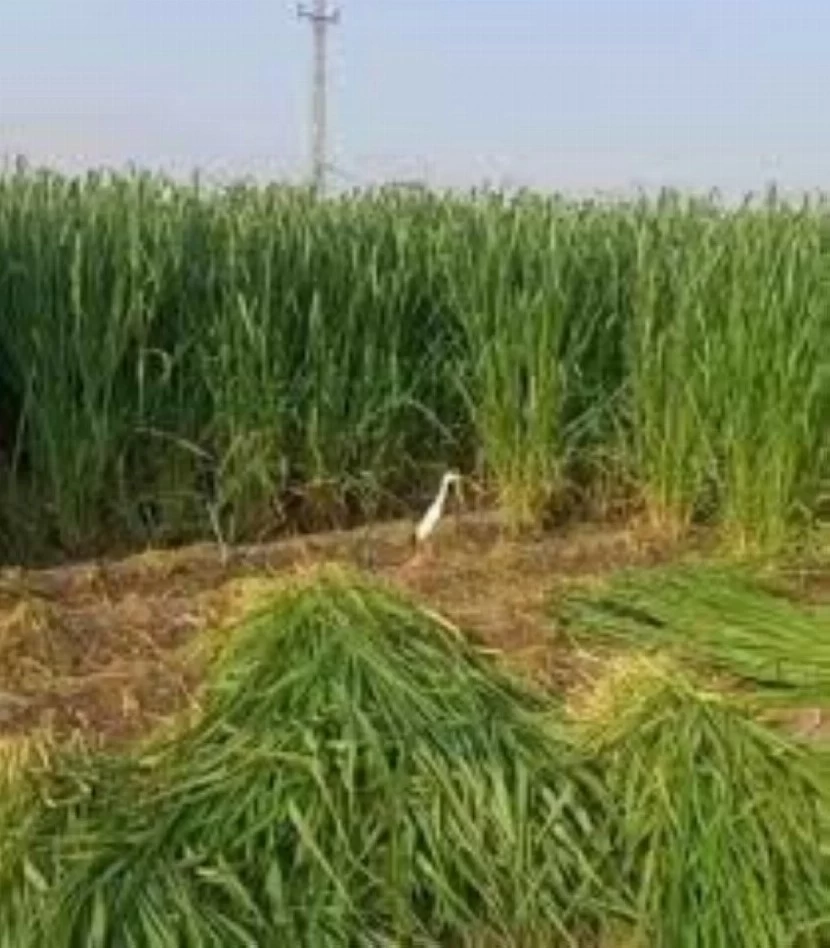
كشفت وزارة البيئة والمياه والزراعة عن بدء تطبيق قرار إيقاف زراعة الأعلاف المعمرة والتحول إلى الأعلاف الموسمية في 16 نوفمبر 2026، بعد 29 يوماً، في خطوة تستهدف الحد من استنزاف المياه الجوفية غير المتجددة، وتعزيز الأمن المائي والاستدامة الزراعية.
وأوضحت أن القرار يشمل جميع المساحات المزروعة بالأعلاف المعمرة في مناطق الرف الرسوبي، وهي الجوف والرياض وحائل والمنطقة الشرقية والقصيم وتبوك.
وبيّنت أن الأعلاف الموسمية المسموح بزراعتها في المزارع المرخصة، وفق الضوابط المعتمدة، تشمل البرسيم المصري وحيد الحشة ومتعدد الحشات، وحشيشة الراي الإيطالية، وحشيشة الراي الحولية.
وأكدت الوزارة أن التحول إلى زراعة الأعلاف الموسمية يسهم في خفض استهلاك المياه الجوفية غير المتجددة في القطاع الزراعي، والحد من استنزافها، ورفع كفاءة استخدام الموارد الطبيعية والمحافظة عليها، بما يدعم استدامة الإنتاج الزراعي ويحافظ على الموارد المائية للأجيال القادمة.
The Ministry of Environment, Water, and Agriculture has announced the implementation of the decision to stop cultivating perennial fodder and shift to seasonal fodder on November 16, 2026, in 29 days, in a move aimed at reducing the depletion of non-renewable groundwater, enhancing water security, and promoting agricultural sustainability.
It clarified that the decision includes all areas planted with perennial fodder in the sedimentary uplift regions, which are Al-Jouf, Riyadh, Hail, the Eastern Province, Al-Qassim, and Tabuk.
It indicated that the seasonal fodder permitted for cultivation in licensed farms, according to the approved regulations, includes Egyptian clover (single and multiple cuts), Italian ryegrass, and annual ryegrass.
The ministry confirmed that the transition to growing seasonal fodder contributes to reducing the consumption of non-renewable groundwater in the agricultural sector, limiting its depletion, and enhancing the efficiency of natural resource use and conservation, thereby supporting the sustainability of agricultural production and preserving water resources for future generations.