

فيما أكدت مصادر موثوقة في صنعاء وصول خبير إيراني مصاب إلى مستشفى القدس العسكري في شرق صنعاء، كشف تقرير استخباراتي يمني عن تحويل المليشيا الحوثية جزيرة كمران إلى قاعدة إيرانية متقدمة.
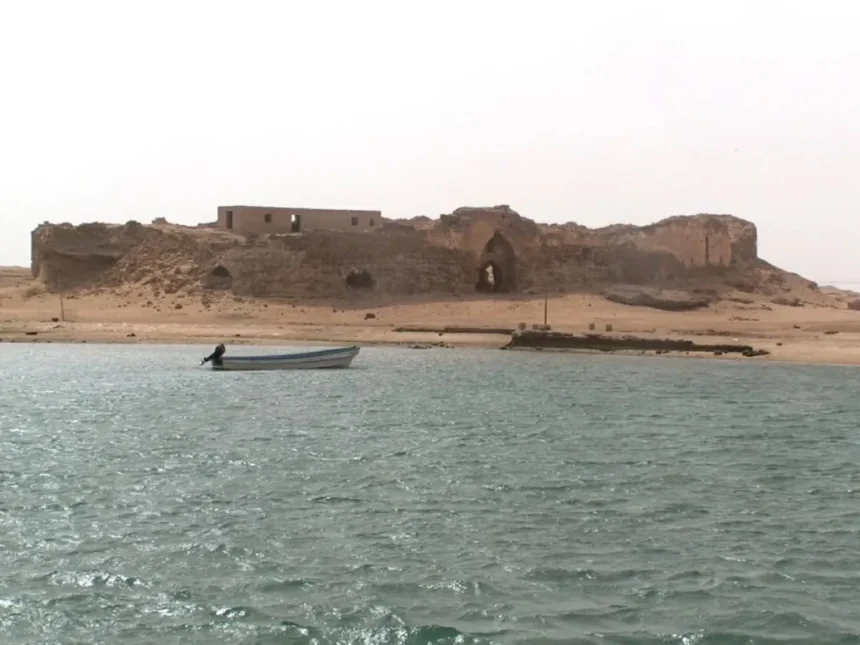
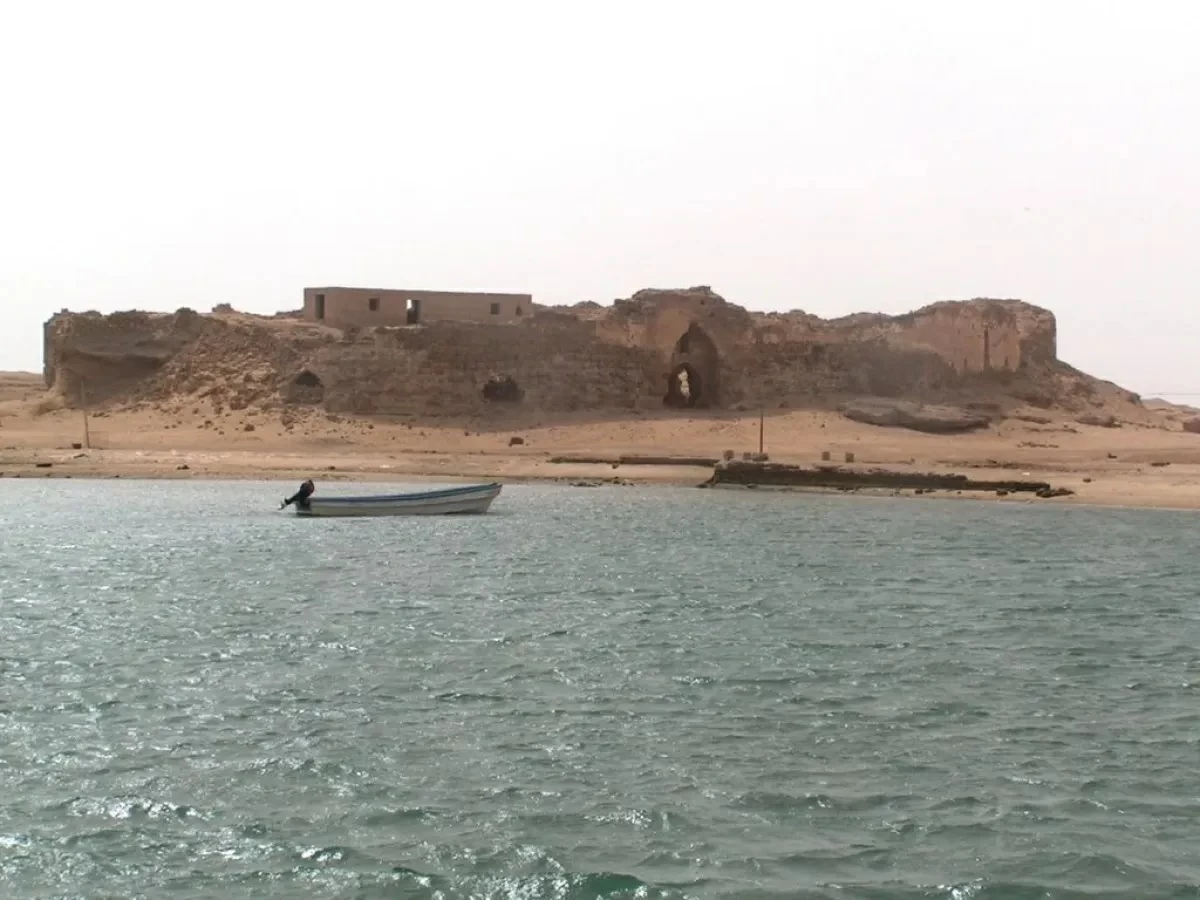
وذكرت وحدة الأمن البحري التابعة لمركز «PTOC Yemen» للأبحاث والدراسات المتخصصة أن معلومات استخباراتية تبين أن هناك تغييرات طرأت على البنية العسكرية والميدانية في الجزيرة وتظهر مسار متدرج لعسكرة قطاعات واسعة من كمران، شمل إنشاء وتطوير تحصينات وحفريات ومنشآت معزولة ومسارات ميدانية ومواقع ذات طابع لوجستي وعملياتي، بالتوازي مع توظيف طبيعة الجزيرة وغطائها النباتي وتضاريسها في إخفاء المنشآت وتقليل احتمالات اكتشافها بواسطة وسائل الاستطلاع والمراقبة الحكومية الدولية. وأشارت إلى أن أهمية جزيرة كمران وامتدادها على الساحل الغربي لليمن، وربطها بالموانئ والمواقع الساحلية والجزر الواقعة في البحر الأحمر، وكذلك قربها من القرن الأفريقي يمنحها وظيفة تتجاوز نطاق الجزيرة نفسها، لتشكل جزءًا من منظومة انتشار لوجستية متعددة المهام للحوثيين.
وأشار التقرير إلى أن الجزيرة تحولت إلى شبكة إمداد وتهريب واتصال باتجاه القرن الأفريقي، إلى جانب تحليل الأدوار المحتملة للخبرة والدعم الإيراني في تطوير القدرات العملياتية داخلها، مبيناً أن المليشيا عسكرية السكان والصيادين والنشاط المدني وفرضت قيوداً على حركتهم واستخدامهم للمناطق الساحلية والمراسي بعد تحويل كامل جزيرة كمران من بيئة مدنية إلى نطاق عسكري وأمني. وذكر التقرير أن هذا التحول بدأ بالفعل بعد اتفاق ستوكهولم، مع تتبع النشاط العملياتي والضربات الجوية. من جهة أخرى، قالت مصادر في صنعاء إن مليشيا الحوثي فرضت طوقًا أمنيًا على مستشفى القدس العسكري في منطقة بيت بوس، عقب نقل خبير إيراني مصاب جراء قصف جوي استهدف محافظة مأرب شرقي اليمن، مبيناً أن مليشيا الحوثي شددت الإجراءات الأمنية في محيط المستشفى.
While reliable sources in Sana’a confirmed the arrival of an injured Iranian expert at the Al-Quds Military Hospital in eastern Sana’a, a Yemeni intelligence report revealed that the Houthi militia has turned Kamaran Island into an advanced Iranian base.
The maritime security unit affiliated with the “PTOC Yemen” research and specialized studies center reported that intelligence information indicates changes have occurred in the military and field structure on the island, showing a gradual path towards militarizing large sectors of Kamaran. This includes the establishment and development of fortifications, excavations, isolated facilities, field paths, and sites with logistical and operational characteristics, alongside utilizing the island’s nature, vegetation cover, and terrain to conceal the facilities and reduce the chances of their detection by international government reconnaissance and surveillance means. It pointed out that the importance of Kamaran Island, extending along the western coast of Yemen and linking it to ports, coastal sites, and islands in the Red Sea, as well as its proximity to the Horn of Africa, grants it a function that goes beyond the island itself, forming part of a multi-task logistical deployment system for the Houthis.
The report indicated that the island has transformed into a supply, smuggling, and communication network towards the Horn of Africa, alongside analyzing the potential roles of Iranian expertise and support in developing operational capabilities within it. It noted that the militia has militarized the local population, fishermen, and civil activities, imposing restrictions on their movement and use of coastal areas and docks after completely converting Kamaran Island from a civilian environment to a military and security domain. The report mentioned that this transformation began indeed after the Stockholm Agreement, with a tracking of operational activity and airstrikes. On the other hand, sources in Sana’a stated that the Houthi militia has imposed a security cordon around the Al-Quds Military Hospital in the Beit Bous area, following the transfer of an injured Iranian expert due to an airstrike targeting Marib Governorate in eastern Yemen, indicating that the Houthi militia tightened security measures around the hospital.