تابع قناة عكاظ على الواتساب
ليست مصادفة أن تتصدّر منطقتنا عناوين نشرات الأخبار، ولا أن تبدو الأزمات فيها وكأنها حالة مستمرة أكثر منها أحداثًا طارئة. فالمشكلة ليست في كثرة الأزمات بقدر ما هي في بنية إنتاج الأزمات ذاتها؛ بنية معقدة تتداخل فيها الجغرافيا مع التاريخ، والموارد مع الهويات، والداخل مع الخارج.
يقع الشرق الأوسط في قلب العالم، لكنه ليس قلبًا هادئًا بل مفترق طرق استراتيجي. من مضيق هرمز إلى قناة السويس، تمر شرايين الطاقة والتجارة العالمية. هذه الجغرافيا تمنح الدول أهمية استثنائية، لكنها في الوقت ذاته تجعل أي توتر محلي قضية دولية فورًا.
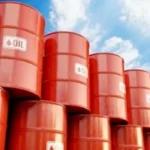
وتحتضن المنطقة أكبر احتياطيات النفط والغاز في العالم. هذه الثروة لم تكن فقط مصدر ازدهار، بل أيضًا مغناطيسًا للصراعات. فحين تكون الموارد الحيوية مركّزة جغرافيًا، تصبح المنافسة عليها أكثر حدّة، ويصبح الاستقرار رهينة لتوازنات دقيقة بين القوى الإقليمية والدولية.
كثير من أزمات المنطقة ليست جديدة، بل هي امتدادات لصراعات لم تُحسم.
حدود رسمت في لحظات تاريخية مضطربة، وصراعات تراكمت دون حلول جذرية.
لذلك الصراعات في منطقتنا لا تموت ولكن يتغيّر شكلها فقط.
كما أن المؤثر الديني، الطائفي، القبلي، القومي حاضر ويؤثر من حين لآخر ومن حالة لأخرى، ففي بعض الحالات تتحوّل الهويات الفرعية من مصدر ثراء اجتماعي ثقافي إلى أدوات تعبئة وصراع خاصة عند تغذيتها من الخارج.
إضافة إلى أنه لا توجد منطقة في العالم تحظى بهذا القدر من الانخراط الدولي المباشر وغير المباشر.
فالقوى الكبرى لا ترى الشرق الأوسط فقط منطقة نفوذ، بل منصة لإعادة تشكيل التوازنات العالمية.
وهكذا، تصبح الأزمات المحلية مسرحًا لصراعات دولية بالوكالة، مما يطيل عمرها ويعقّد حلولها.
إضافة إلى هشاشة التجارب في بعض دول المنطقة، حيث لم تكتمل أو تنضج بعض تلك التجارب بما يكفي وفق الحوكمة الاقتصادية والاجتماعية وبالشكل الذي يمتص الصدمات، ما أدى إلى ارتفاع نسب الفقر وانعدام الفرص وتدني العدالة وضعف المؤسسات، وهذا على صلة وثيقة بالتحوّلات العالمية السريعة، بينما الإدارة لا تزال تعمل ببطء أو بمعزل عن إيقاعات هذه التحولات.
منطقتنا لا تعاني فقط من كثرة الأزمات، بل من تراكم طبقات الأزمات، فكل أزمة جديدة لا تبدأ من الصفر، بل تُبنى فوق تاريخ طويل من التراكمات.
في المقابل، وحتى لا يتسرّب اليأس إلى شعوب منطقتنا، هذه المنطقة تمتلك أيضًا كل مقوّمات التحوّل منها موقع استراتيجي لا يمكن تجاوزه، موارد هائلة، طاقات بشرية شابة، ومشاريع تحوّل كبرى تقودها دول محورية، فمتى تتحوّل المنطقة من «منتِج للأزمات» إلى «منتِج للحلول»؟
It is not a coincidence that our region tops the headlines of news broadcasts, nor that the crises within it seem more like a continuous state than isolated events. The problem lies not in the abundance of crises but in the very structure of crisis production; a complex structure where geography intertwines with history, resources with identities, and the domestic with the foreign.
The Middle East is located at the heart of the world, but it is not a calm heart; rather, it is a strategic crossroads. From the Strait of Hormuz to the Suez Canal, the arteries of global energy and trade flow. This geography grants countries exceptional importance, but at the same time, it makes any local tension an international issue immediately.
The region holds the largest reserves of oil and gas in the world. This wealth has not only been a source of prosperity but also a magnet for conflicts. When vital resources are geographically concentrated, competition for them becomes more intense, and stability becomes hostage to delicate balances between regional and international powers.
Many of the region’s crises are not new; rather, they are extensions of unresolved conflicts.
Boundaries drawn in moments of turbulent history, and conflicts that have accumulated without radical solutions.
Thus, the conflicts in our region do not die; they merely change form.
Moreover, the religious, sectarian, tribal, and national influences are present and affect situations from time to time; in some cases, sub-identities transform from sources of social and cultural wealth into tools of mobilization and conflict, especially when fueled from abroad.
Additionally, there is no region in the world that enjoys this level of direct and indirect international engagement.
The major powers do not see the Middle East merely as a sphere of influence but as a platform for reshaping global balances.
Thus, local crises become a stage for proxy international conflicts, prolonging their duration and complicating their solutions.
Moreover, the fragility of experiences in some countries of the region, where some of these experiences have not matured or developed sufficiently according to economic and social governance and in a way that absorbs shocks, has led to rising poverty rates, lack of opportunities, declining justice, and weak institutions. This is closely related to rapid global transformations, while management continues to operate slowly or in isolation from the rhythms of these transformations.
Our region suffers not only from an abundance of crises but also from layers of accumulated crises, as each new crisis does not start from scratch but is built upon a long history of accumulations.
On the other hand, to prevent despair from seeping into the peoples of our region, this area also possesses all the components for transformation: a strategic location that cannot be overlooked, vast resources, a young human workforce, and major transformation projects led by pivotal countries. So, when will the region transform from being a “producer of crises” to a “producer of solutions”?